Protected Area

Grande Colline National Park: A Sanctuary of Biodiversity in Haiti

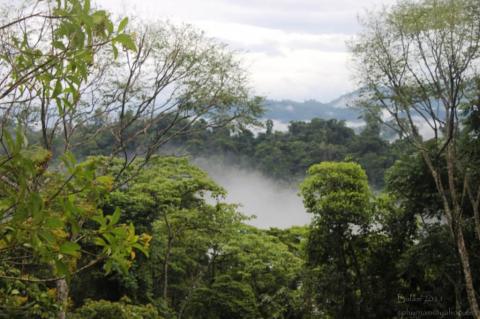
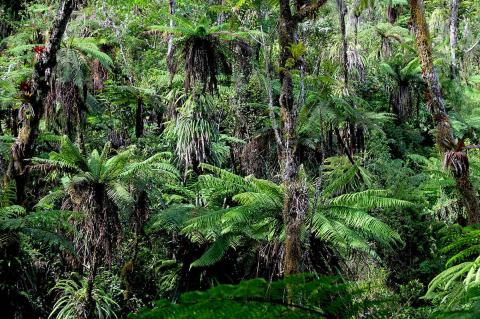
Grande Colline National Park encompasses the rugged and biologically rich Grande Colline mountain range in southwestern Haiti. The park forms part of the Massif de la Hotte, a region celebrated for its extraordinary biodiversity and significant ecological value. The park represents one of the last refuges of Haiti's dense cloud forest, harboring numerous endemic species and serving as a critical area for conservation efforts.
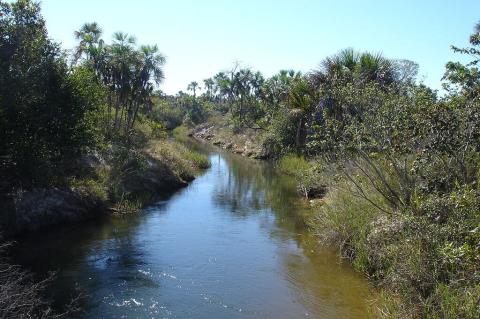
Grande Sertão Veredas National Park: A Biodiversity Haven in the Heart of Brazil

Nestled at the intersection of Minas Gerais and Bahia states in east-central Brazil, Grande Sertão Veredas National Park stands as a tribute to the abundant natural legacy of the Cerrado biome. Recognized for its expansive streams and veredas, resembling meandering pathways, the park offers a glimpse into various ecosystems, encompassing forests, savannas, and lush cerrado vegetation.

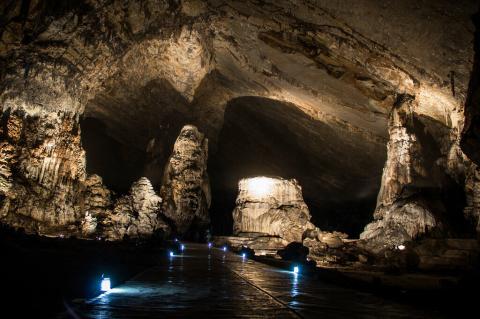
Grutas de Cacahuamilpa National Park: Mexico's Subterranean Wonder

Nestled in the heart of Guerrero, Grutas de Cacahuamilpa National Park is one of Mexico's most remarkable natural attractions. Famous for its extensive cave system and breathtaking geological formations, the park offers a unique blend of adventure, history, and biodiversity. Located approximately 30 km (19 mi) from the colonial city of Taxco de Alarcón, this national treasure attracts nature enthusiasts, geologists, and casual visitors alike. Its underground marvels and scenic landscapes make it a must-visit destination in southern Mexico.

Guanahacabibes: Cuba's Pristine Coastal Wilderness

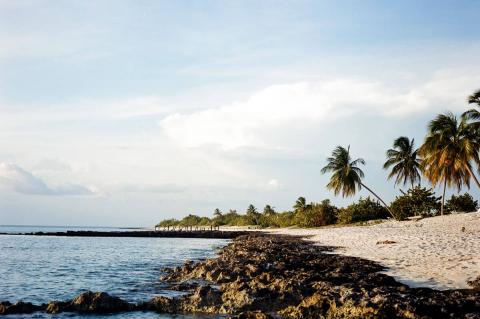
Nestled in the westernmost corner of Cuba, the Guanahacabibes Peninsula is a remarkable natural treasure. It is the country's westernmost point and offers a glimpse into its rich biodiversity and unique cultural heritage. This remote and sparsely populated region is home to a National Park and a UNESCO Biosphere Reserve, making it a prime destination for nature enthusiasts and conservation-minded travelers.

Guánica Biosphere Reserve: Preserving Puerto Rico's Ecological Legacy

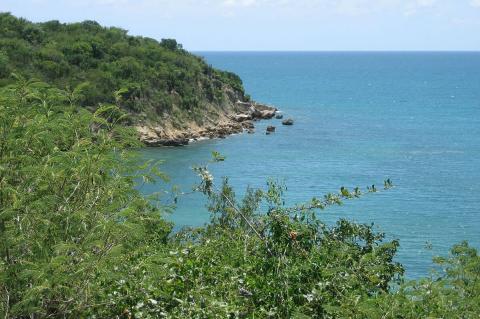
Located in the southwestern region of Puerto Rico, the Guánica Biosphere Reserve is a vital ecological treasure, encompassing coastal areas, mangrove cays, and subtropical dry forests. It is recognized for its remarkable biodiversity and unique ecosystems and represents one of the Caribbean's most well-preserved subtropical dry forests. The reserve's diverse habitats and rich flora and fauna make it a critical conservation and scientific research area.

Guardians of Biodiversity: The Río Plátano Biosphere Reserve

The Río Plátano Biosphere Reserve, located in northeastern Honduras along the Mosquito Coast, is the largest protected area in the country. The reserve protects the entire watershed of the Río Plátano, from its mountainous headwaters to its mouth on the Caribbean Sea. It forms part of the Mesoamerican Biological Corridor, an essential ecological region that connects Central American ecosystems. In addition to its natural beauty, the reserve holds significant archaeological and cultural importance, with both pre-Columbian heritage sites and thriving indigenous communities.

Guardians of the Amazon: The Central Amazon Conservation Complex

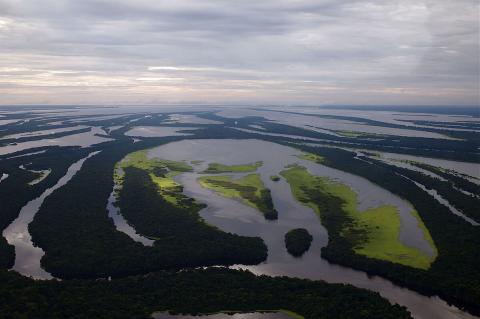
The Central Amazon Conservation Complex is one of Earth's largest and most biologically diverse protected areas. It is located in the heart of the Amazon Basin, west-northwest of Manaus, Brazil; the complex forms the core of the Central Amazon Ecological Corridor. This vast area encompasses some of the most critical ecosystems in Amazonia, representing a wide array of flora and fauna, including numerous endangered and endemic species. This UNESCO World Heritage Site is essential in preserving the ecological integrity of the world's largest tropical rainforest.

Guardians of the Andes: Exploring Villarrica National Park

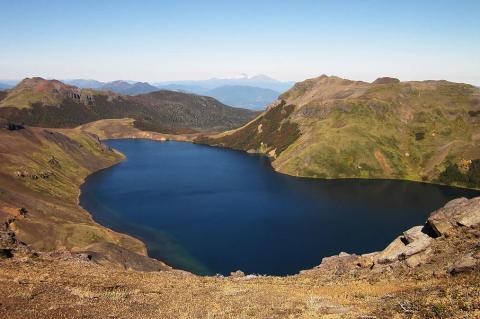
Villarrica National Park, nestled in the Chilean Andes, straddles the regions of La Araucanía and Los Ríos in southern Chile. Renowned for its majestic volcanoes, lush temperate rainforests, and scenic lakes, the park is a haven for diverse flora and fauna. Volcanic activity and abundant rainfall shape its dramatic landscapes. The park's protection of unique ecosystems has also earned it a place within the Bosques Templados Lluviosos de los Andes Australes Biosphere Reserve.

Guardians of the Guiana Shield: The Central Suriname Nature Reserve

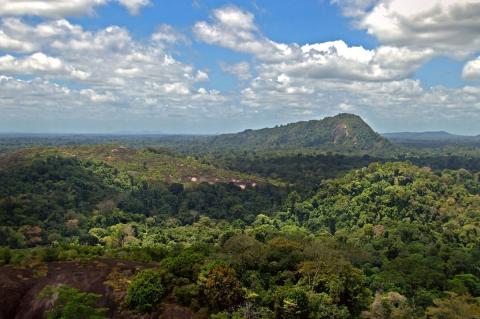
The Central Suriname Nature Reserve is a pristine expanse of tropical wilderness in west-central Suriname, representing one of the largest protected areas in the world. This vast reserve links three preexisting nature reserves—Raleighvallen, Eilerts de Haan, and Tafelberg—creating an ecological sanctuary of immense significance. Covering approximately eleven percent of Suriname's national territory, the Central Suriname Nature Reserve is a haven for biodiversity and a living testament to the region's rich natural and cultural heritage.

Guardians of the Gulf: The Ecological Treasure of Ría Celestún

Nestled along the northwestern coast of Mexico's Yucatán Peninsula, the Ría Celestún Biosphere Reserve is a testament to the region's rich natural heritage. This protected area encompasses diverse habitats, from coastal dunes and mangrove forests to freshwater lagoons and marshlands. It is a true ecological gem, recognized under the Ramsar Wetlands Convention for its vital role in preserving biodiversity.