Protected Area

Jaú National Park: A Vast and Untouched Amazonian Wilderness

Jaú National Park is one of Brazil's largest and most pristine protected areas in the heart of the Amazon rainforest. Situated in the Amazonas region of northwestern Brazil and recognized as a UNESCO site, Jaú National Park forms part of the Central Amazon Conservation Complex. This vast ecological corridor supports one of the richest biodiverse environments on Earth. This park offers an invaluable refuge for countless species of flora and fauna while playing a crucial role in global conservation efforts.
Journey Through the Dunes: Lençóis Maranhenses National Park

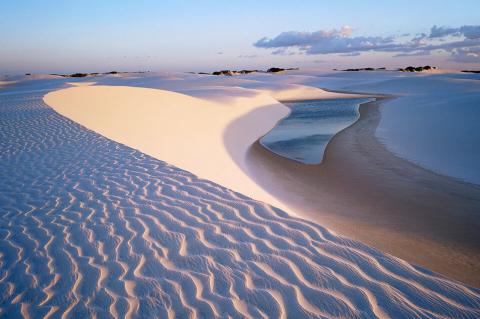
Located in Brazil's northeastern region, Lençóis Maranhenses National Park is a captivating example of nature's artistry and resilience. Extending across a vast expanse in Maranhão state, this protected area and UNESCO World Heritage Site encompasses a diverse range of landscapes, including windswept dunes, seasonal lagoons, and verdant oases. Exploring the mysteries of this unique ecosystem involves delving into its dynamic terrain and rich biodiversity.

Kaieteur Falls: The Power and Beauty of Guyana’s Hidden Gem

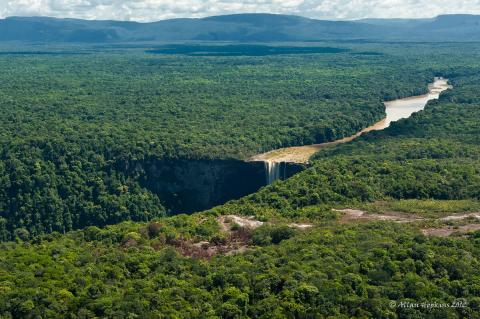
Kaieteur Falls, located in the heart of Guyana's Potaro-Siparuni region, stands as one of the most breathtaking natural wonders in the world. Plunging from a sandstone plateau into a deep gorge, it is the largest single-drop waterfall by water volume. Surrounded by the lush rainforests of Kaieteur National Park, this iconic feature of the Guyanese landscape attracts thousands of visitors yearly. With a blend of awe-inspiring natural beauty, rich biodiversity, and cultural legends, Kaieteur Falls and its national park offer a window into the untamed wilderness of the Guiana Shield.

Kawésqar National Park: A Majestic Wilderness in Chilean Patagonia

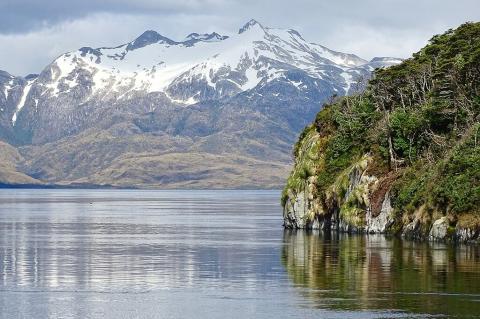
Kawésqar National Park, formerly known as the Alacalufes National Reserve, is a vast and stunning natural sanctuary located in the provinces of Magallanes, Última Esperanza, and Isla Riesco within the Magallanes and Chilean Antarctica Region of southern Chile. Nestled in the heart of Chilean Patagonia, this expansive park, part of Chile's Route of Parks, offers a glimpse into the region's wild beauty, showcasing diverse landscapes, ecosystems, and wildlife.

La Amistad International Park: A Sanctuary of Nature and Tradition in the Talamanca Mountains

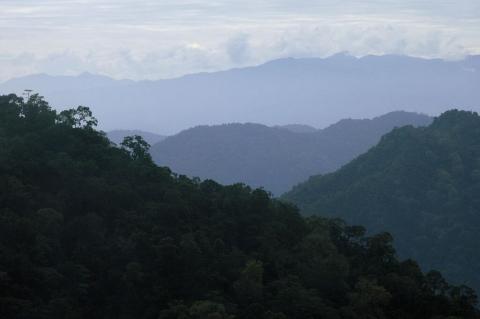
High in the cloud-shrouded peaks of the Cordillera de Talamanca lies one of the most remarkable conservation achievements in the Americas. La Amistad International Park, spanning the Costa Rica-Panama border, is more than a protected area—it's a symbol of international cooperation and a vital component of the Mesoamerican Biological Corridor. Established as the "La Amistad International Peace Park," this UNESCO site protects one of Central America's largest remaining forests, showing how transboundary conservation can transcend political boundaries to preserve shared natural heritage.

La Campana-Peñuelas: Balancing Biodiversity and Urban Pressures in Central Chile

Nestled in the heart of Chile's Valparaíso Region, the La Campana-Peñuelas Biosphere Reserve epitomizes the country's dedication to safeguarding its natural heritage. Designated as a UNESCO Biosphere Reserve, it encompasses the La Campana National Park and the Lago Peñuelas National Reserve. Together, they form a mosaic of landscapes, biodiversity, and cultural history, offering an exceptional model of conservation and sustainability.

Lac Bay, Klein Bonaire, and Bonaire National Marine Park: Treasures of Bonaire's Natural Heritage

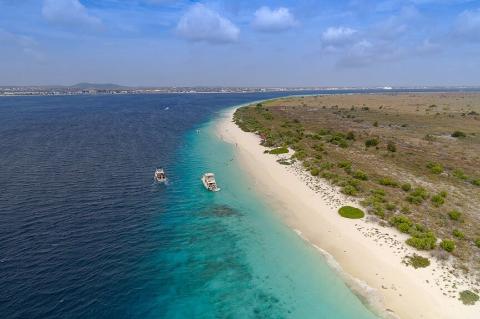
Nestled within the azure embrace of the Caribbean Sea lies a trio of ecological wonders, each contributing to the rich tapestry of biodiversity and conservation efforts in Bonaire. Lac Bay, Klein Bonaire, and the Bonaire National Marine Park are testaments to the island's commitment to preserving its natural heritage while providing invaluable ecosystem services and recreational opportunities.

Lago Puelo National Park: The Heart of Patagonia's Wilderness

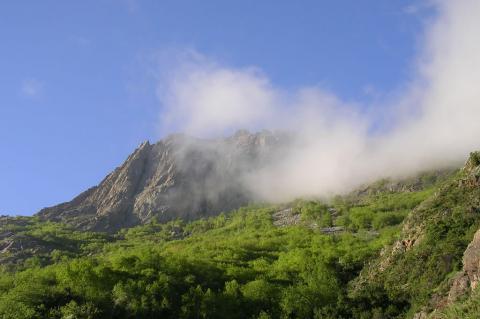
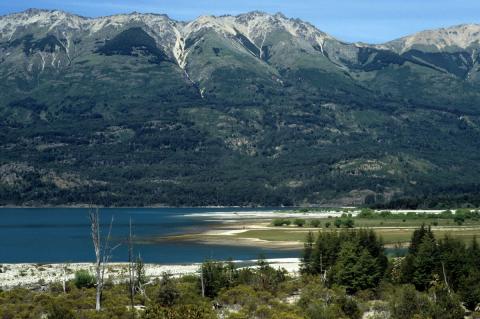
Lago Puelo National Park, located in the Chubut province of Argentina, is a stunning example of the country's rich natural heritage. Situated within the Patagonia forest ecoregion and bordering Chile to the west, this park is known for its unique ecological characteristics and breathtaking landscapes. Along with four other national parks, it forms part of the Andino Norpatagónica Biosphere Reserve. The park is a haven for endemic flora and fauna, offering visitors an exceptional glimpse into Patagonia's natural beauty and biodiversity.

Laguna Blanca National Park: Exploring Argentina's Natural Gem

Laguna Blanca National Park is located in Neuquén Province, Argentina, showcasing the country's diverse natural landscapes and rich biodiversity. The protected area includes pristine lakes, ancient forests, and rugged mountains, offering the opportunity to immerse in the beauty of Patagonia's wilderness. This exploration outlines its geography, ecology, attractions, and conservation efforts.

Laguna Blanca: A Conservation Haven in the Andean Heights

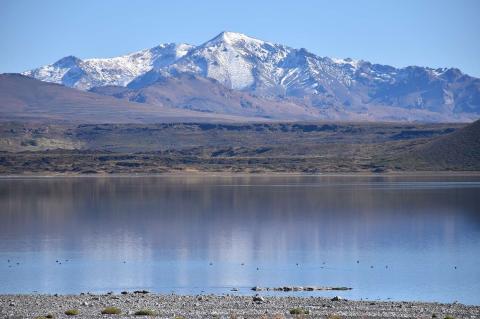
The Laguna Blanca Biosphere Reserve is a magnificent example of nature's resilience and human ingenuity. Nestled in the Andean region of northwest Argentina, it encompasses a unique arid Andean landscape characterized by a saline lake surrounded by rugged rock formations. This reserve is situated in Catamarca Province and is a testament to conservation efforts, rich biodiversity, and ancient cultural practices.