
Ice at the Edge of the Tropics: The Glaciers of Volcanic Mexico
Mexico has one of the world's most unique and fragile glacial systems, with some of the southernmost glacial ice in North America on tall volcanoes reaching into the tropical sky. These formations are geological wonders and key signs of climate change in a vulnerable area.
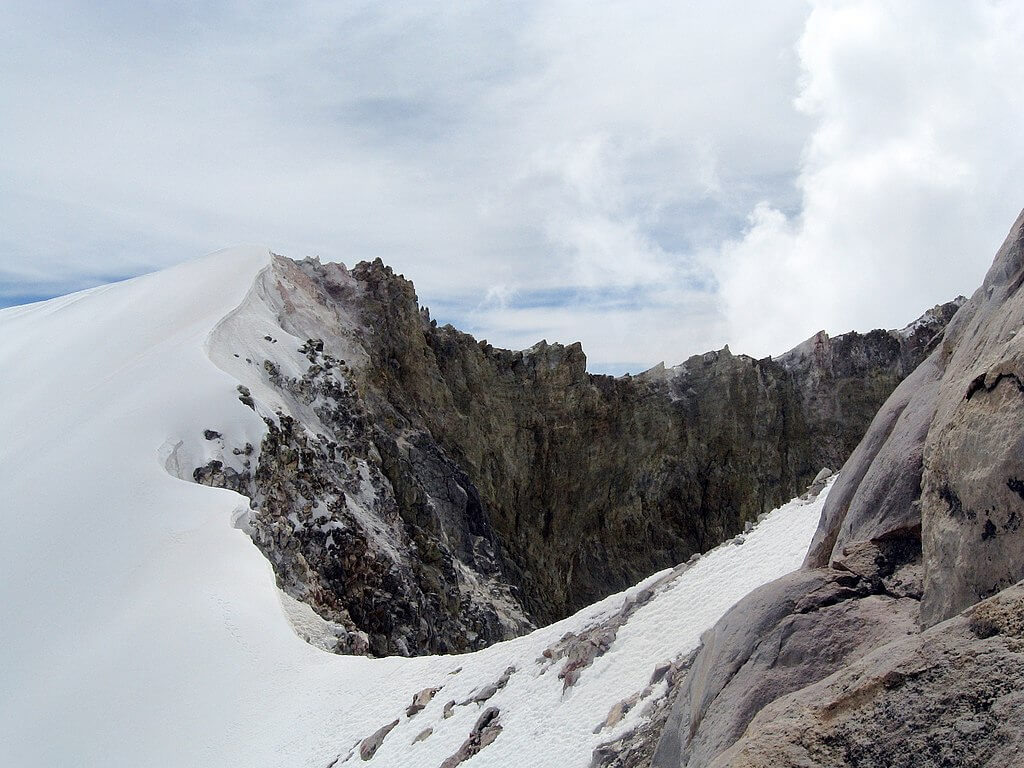
Frozen Giants of the Sierra Madre: Understanding Mexico's Glacial Heritage
Mexico, a nation known for its deserts, beaches, and tropical landscapes, harbors one of the world's most unique and precarious glacial systems. Positioned between 14° and 32° North latitude, Mexico contains some of the southernmost glacial ice in North America, clinging to the peaks of towering volcanoes that pierce the tropical sky. This extraordinary paradox—ice existing in a predominantly tropical country—demonstrates how extreme elevation can overcome latitudinal warming to create conditions suitable for glacial formation.
These remarkable ice formations represent not only geological marvels but also critical indicators of climate change in one of the world's most vulnerable glacial environments. Their tropical location makes them exquisitely sensitive to temperature changes, serving as early warning systems for global climate trends and embodying both scientific significance and cultural importance that extends far beyond their modest size.
Geographic Distribution and Location
Mexico's glaciers are exclusively found on three volcanic peaks, all located within the Trans-Mexican Volcanic Belt, a chain of volcanoes that stretches across central Mexico from coast to coast. These glaciated peaks include Pico de Orizaba (Citlaltépetl), Popocatépetl, and Iztaccíhuatl, each rising above 5,000 meters (16,404 feet) in elevation.
Pico de Orizaba, Mexico's highest peak at 5,636 meters (18,491 feet), straddles the border between the states of Veracruz and Puebla. Located approximately 200 kilometers (124 miles) east of Mexico City, this dormant stratovolcano supports the largest glacial system in Mexico. The mountain's name derives from the Nahuatl word "Citlaltépetl," meaning "Star Mountain," reflecting its prominent position dominating the eastern Mexican landscape.
Popocatépetl, standing at 5,426 meters (17,802 feet), lies just 70 kilometers (43 miles) southeast of Mexico City. This active stratovolcano, whose name means "Smoking Mountain" in Nahuatl, has experienced significant glacial retreat due to both climatic warming and increased volcanic activity since the 1990s. The proximity to Mexico's capital makes it one of the most studied and monitored volcanic-glacial systems in Latin America.
Iztaccíhuatl, reaching 5,230 meters (17,159 feet), is located adjacent to Popocatépetl and forms part of the same volcanic complex. Known as the "White Woman" for its distinctive silhouette resembling a sleeping female figure, Iztaccíhuatl once supported more extensive glacial coverage but now retains only small remnant ice patches.
Glacial Characteristics and Formation
Mexico's glaciers are classified as tropical glaciers, a rare type of ice formation that exists at high altitudes within tropical latitudes. These glaciers form and persist due to the extreme elevation of the volcanic peaks, which create sufficiently cold temperatures despite the tropical location. The glacial systems are primarily composed of cirque glaciers and small ice caps, with the largest continuous ice coverage found on Pico de Orizaba.
The formation of these glaciers dates back to the Pleistocene epoch, when cooler global temperatures and different precipitation patterns allowed for more extensive ice accumulation. During the Last Glacial Maximum, approximately 20,000 years ago, glacial coverage extended much lower on these peaks, with ice reaching elevations as low as 3,500 meters (11,483 feet) on some slopes.
Current glacial ice exists primarily above 4,700 meters (15,420 feet) elevation, where mean annual temperatures remain below freezing. The glaciers are sustained by a delicate balance of winter snowfall accumulation and summer ablation (melting and sublimation). The tropical location means that these glaciers experience year-round temperatures near the melting point, making them extremely sensitive to minor temperature fluctuations.
Hydrological Significance
Despite their relatively small size, Mexico's glaciers play a disproportionately important role in regional hydrology. The glacial meltwater contributes to several major river systems, including the Río Blanco, Río Jamapa, and tributaries of the Río Balsas. These water sources are crucial for agricultural irrigation, municipal water supplies, and hydroelectric power generation in the surrounding regions.
The glacial contribution to streamflow is particularly significant during the dry season (November through April), when glacial meltwater provides a reliable source of freshwater for downstream communities. Studies indicate that glacial meltwater contributes approximately 10-15% of the total annual discharge in rivers originating from these peaks, with the percentage increasing to over 30% during extended dry periods.
The high-altitude location of these glaciers also makes them important sources of groundwater recharge. Glacial meltwater infiltrates into volcanic aquifers, contributing to regional groundwater systems that support both rural and urban populations throughout central Mexico.
Climate and Environmental Conditions
Mexico's glacial environment is characterized by distinct wet and dry seasons, with the majority of precipitation occurring between May and October. Annual precipitation on the glaciated peaks ranges from 800 to 1,500 millimeters (31 to 59 inches), with significant variations depending on elevation and aspect. The windward (eastern and southern) slopes generally receive more precipitation due to orographic lifting of moisture-laden air masses from the Gulf of Mexico and Pacific Ocean.
Both elevation and tropical latitude influence temperature conditions on the glaciated peaks. Mean annual temperatures at glacier elevation range from -2°C to -5°C (28°F to 23°F), with diurnal temperature variations often exceeding seasonal variations. This tropical mountain climate creates unique conditions where glaciers experience daily freeze-thaw cycles throughout much of the year.
The volcanic nature of these peaks creates additional environmental complexities. Geothermal heat flux from underlying volcanic activity affects ice temperatures and can accelerate melting from below. On Popocatépetl, increased volcanic activity since 1994 has contributed significantly to glacial retreat through direct heating and ash deposition, which reduces ice albedo and increases absorption of solar radiation.
Biodiversity and Ecological Significance
The glacial and periglacial environments of Mexico's high peaks support unique ecosystems adapted to extreme high-altitude conditions. The area immediately surrounding the glaciers, known as the alpine zone, harbors endemic plant species that have evolved to survive in this harsh environment.
Notable flora includes Senecio mairetianus, a high-altitude groundsel found only on Mexican volcanic peaks, and various species of Festuca grasses that form distinctive alpine tussocks. The cushion plant Arenaria bryoides creates specialized microhabitats that support diverse communities of arthropods and other invertebrates adapted to the extreme conditions.
Wildlife in the glacial zone is limited but includes several specialized species. The volcano rabbit (Romerolagus diazi), one of the world's smallest rabbit species, inhabits the alpine grasslands near the glacial margins. Various bird species, including the Mexican jay (Aphelocoma wollweberi) and several hummingbird species, utilize the glacial meltwater streams and associated vegetation for feeding and nesting.
The periglacial environment also supports important stopover habitats for migratory birds, particularly during spring and fall migrations when insects emerge from the warming soils around glacial margins.
Historical Changes and Glacial Retreat
Mexico's glaciers have experienced dramatic changes over the past century, with accelerating retreat becoming particularly pronounced since the 1980s. Historical accounts from early mountaineers and scientists provide evidence of much more extensive glacial coverage in the early 20th century.
On Pico de Orizaba, the glacier covered approximately 40 square kilometers (15.4 square miles) in 1958, but by 2020, coverage had decreased to less than 8 square kilometers (3.1 square miles), representing an 80% reduction in surface area. The equilibrium line altitude (the elevation where accumulation equals ablation) has risen approximately 150 meters (492 feet) since 1960.
Popocatépetl has experienced even more dramatic changes, with glacial coverage declining from approximately 25 square kilometers (9.7 square miles) in the 1960s to less than 2 square kilometers (0.8 square miles) today. The combination of climate warming and increased volcanic activity has created a particularly challenging environment for ice persistence.
Iztaccíhuatl, once supporting continuous glacial coverage across its summit ridges, now retains only small ice patches totaling less than 1 square kilometer (0.4 square miles). The fragmentation of ice coverage has eliminated the glacier dynamics that once characterized this peak.
Contemporary Research and Monitoring
Current research on Mexico's glaciers employs diverse methodologies, including satellite remote sensing, ground-based meteorological monitoring, ice core analysis, and glaciological field studies. The Universidad Nacional Autónoma de México (UNAM) maintains several high-altitude research stations that continuously monitor glacial conditions and climate variables.
Recent studies have utilized LANDSAT and MODIS satellite imagery to track changes in glacial extent and seasonal snow coverage. These analyses reveal that glacial retreat rates have accelerated significantly since 2000, with annual area losses of 2-5% becoming common across all three peaks.
Ice core research has provided valuable paleoclimate information, revealing details about past volcanic eruptions, climate variability, and atmospheric composition changes. Cores extracted from Pico de Orizaba contain records extending back several centuries, offering insights into pre-industrial climate conditions and natural variability.
Ground-penetrating radar surveys have mapped ice thickness and revealed the complex internal structure of the remaining glaciers. These studies indicate that maximum ice thickness rarely exceeds 40 meters (131 feet), with most areas containing ice less than 20 meters (66 feet) thick.
Climate Change Impacts and Future Projections
Climate change represents the primary threat to Mexico's glacial systems, with rising temperatures and changing precipitation patterns creating conditions incompatible with ice persistence. Regional climate models project continued warming of 2-4°C (3.6-7.2°F) by 2100, which would eliminate conditions necessary for glacial survival.
Changes in precipitation patterns, including potential shifts in the timing and intensity of the wet season, could further stress these glacial systems. Some models suggest that while total annual precipitation may not change dramatically, the increasing frequency of extreme weather events could alter the seasonal distribution of snowfall accumulation.
The El Niño-Southern Oscillation (ENSO) significantly influences year-to-year variations in glacial mass balance. El Niño years typically bring reduced precipitation and accelerated melting, while La Niña years may provide temporary relief through increased snowfall. However, the overall warming trend appears to be overwhelming these natural oscillations.
Current projections suggest that Mexico's glaciers will likely disappear entirely within the next 20-30 years if current trends continue. This timeline could be accelerated by increased volcanic activity on Popocatépetl or by more rapid than anticipated temperature increases.
Cultural and Economic Significance
Mexico's glaciers hold profound cultural significance for Indigenous communities and Mexican society more broadly. The snow-capped peaks have been revered in Mesoamerican cultures for millennia, featuring prominently in Aztec mythology and continuing to hold spiritual significance for contemporary Indigenous groups.
Popocatépetl and Iztaccíhuatl are central to one of Mexico's most famous legends, telling the story of two lovers transformed into volcanoes. This cultural narrative has made the peaks important symbols in Mexican art, literature, and national identity. The potential loss of their glacial crowns represents not only an environmental tragedy but also a cultural loss.
Economically, the glaciers support important tourism industries, with mountaineering and high-altitude hiking attracting thousands of visitors annually. The unique opportunity to experience glacial environments in a tropical setting makes these peaks internationally significant destinations for alpine tourism.
The glaciers also provide important ecosystem services beyond water supply, including climate regulation, habitat provision, and carbon storage. The economic value of these services, while difficult to quantify precisely, likely exceeds millions of dollars annually.
Conservation Challenges and Efforts
Protecting Mexico's remaining glacial ice presents unique challenges due to the primary threat being global climate change rather than local human impacts. Traditional conservation approaches focusing on habitat protection and human activity regulation are insufficient to address the fundamental driver of glacial retreat.
Current conservation efforts focus on monitoring and research to better understand glacial dynamics and project future changes. The Mexican government has designated the glaciated peaks as protected areas within national parks, limiting human activities that could accelerate ice loss.
International cooperation has become increasingly important, with Mexican researchers collaborating with glaciologists from other tropical glacial regions, including the Andes and East Africa. These partnerships facilitate knowledge exchange and the development of standardized monitoring protocols.
Some researchers have proposed geoengineering solutions, such as artificial shading or ice preservation techniques, but the scale and cost of such interventions make them impractical for Mexico's glacial systems. The focus remains on documentation and understanding rather than active intervention.
Regional and Global Context
Mexico's glaciers represent a critical component of the global cryosphere, providing insights into how tropical glacial systems respond to climate change. As some of the most temperature-sensitive glaciers on Earth, they serve as early warning indicators for glacial systems at higher latitudes.
The rapid retreat of Mexico's glaciers parallels similar changes occurring in other tropical glacial regions, including the Andes of South America and the high mountains of East Africa. This global pattern of tropical glacial retreat highlights the disproportionate impact of climate change on high-altitude, low-latitude environments.
Research from Mexico's glaciers contributes to global understanding of glacial dynamics, tropical climatology, and volcanic-ice interactions. The unique combination of tropical location, volcanic setting, and extreme elevation provides natural laboratories for studying processes that occur in few other locations worldwide.
Conclusion
Mexico's glaciers represent remarkable geological and ecological phenomena that have persisted for millennia despite their precarious tropical location. These ice formations serve as crucial water sources, unique habitats, and important cultural symbols while providing valuable scientific insights into tropical mountain environments and glacial dynamics.
The rapid retreat and likely disappearance of these glaciers within the coming decades represents a significant loss for Mexico and the global scientific community. Their disappearance will eliminate unique ecosystems, reduce water security for downstream communities, and remove important cultural landmarks that have defined the Mexican landscape for generations.
The story of Mexico's glaciers serves as a compelling illustration of climate change impacts in one of the world's most sensitive environments. As these last remnants of tropical ice continue their retreat toward extinction, they provide both a warning about the pace of environmental change and a reminder of the irreversible losses that climate change may bring to unique ecosystems worldwide.
The legacy of Mexico's glaciers will likely persist in the scientific knowledge gained from their study, the cultural memories they have inspired, and the lessons they provide about the vulnerability of Earth's most specialized environments to rapid climate change. Their disappearance marks not just the end of a geological era, but also a profound transformation of Mexico's high mountain landscapes and the communities that depend upon them.
Addendum: Current Glacial Inventory of Mexico
Pico de Orizaba (Citlaltépetl) - 5,636m (18,491 ft)
Active Glaciers:
- Jamapa Glacier - northeastern slope
- Glaciar Norte (North Glacier) - northern face
Iztaccíhuatl - 5,230m (17,159 ft)
Active Glaciers:
- Pecho Glacier - chest area of mountain profile
- Panza Glacier - belly section
- Suroriental Glacier - southeastern slope
Extinct Glaciers:
- Ayoloco Glacier - officially declared extinct, marked with a commemorative plaque
Popocatépetl - 5,426m (17,802 ft)
Status: Historically supported two glaciers; current glacial ice severely impacted by ongoing volcanic activity since the 1990s. Specific glacier names and current ice status are uncertain due to thermal effects and ash deposition.
Total Current Glaciers: Approximately five active glaciers remaining across all three peaks, covering less than 10 square kilometers (3.9 square miles) combined.