
Xochimilco: A Living Testament to Mexico's Rich Heritage
Xochimilco, situated on Lake Xochimilco in the Valley of Mexico, is a testament to the Aztec legacy and the resilience of Mexican culture. Xochimilco means "where the flowers grow." This area has a rich history dating back to the 16th century, with urban and rural structures interwoven with the colonial period.
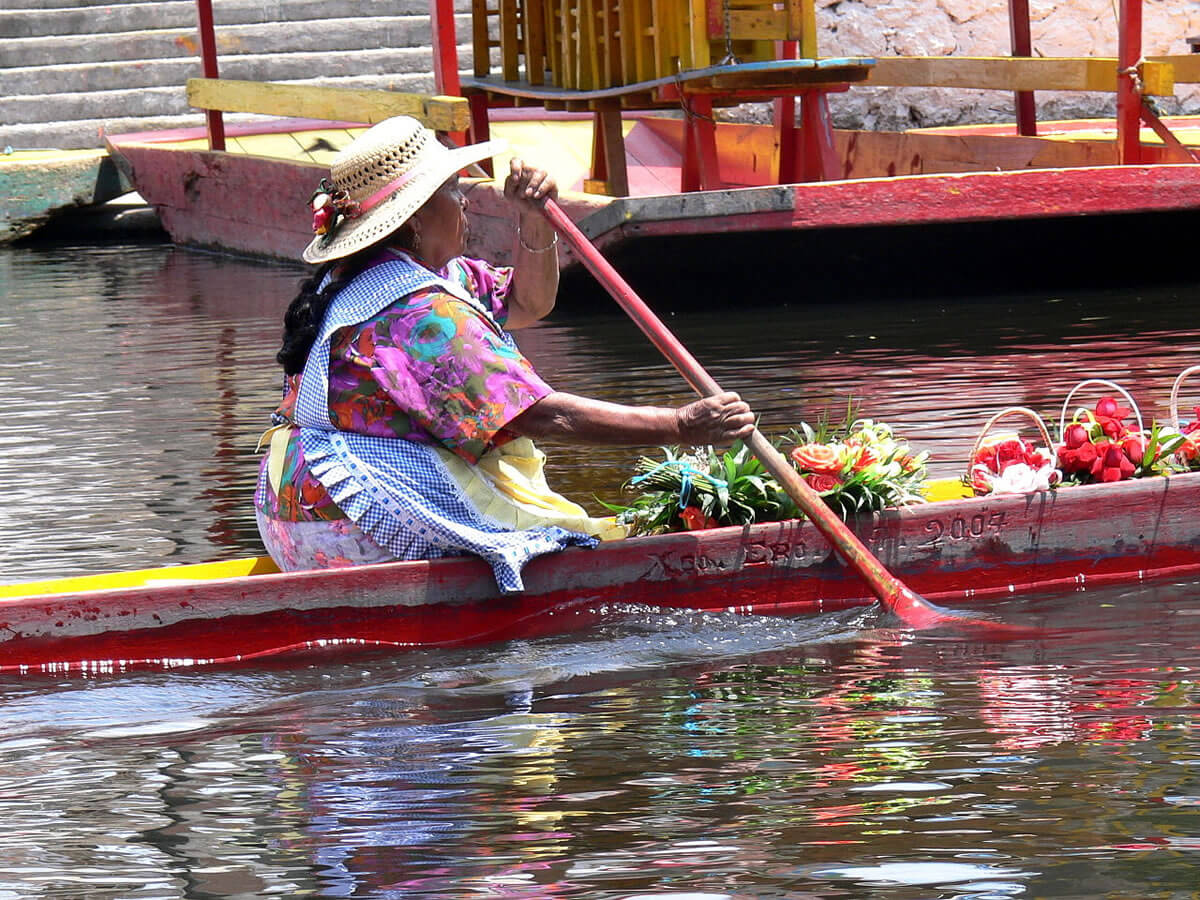
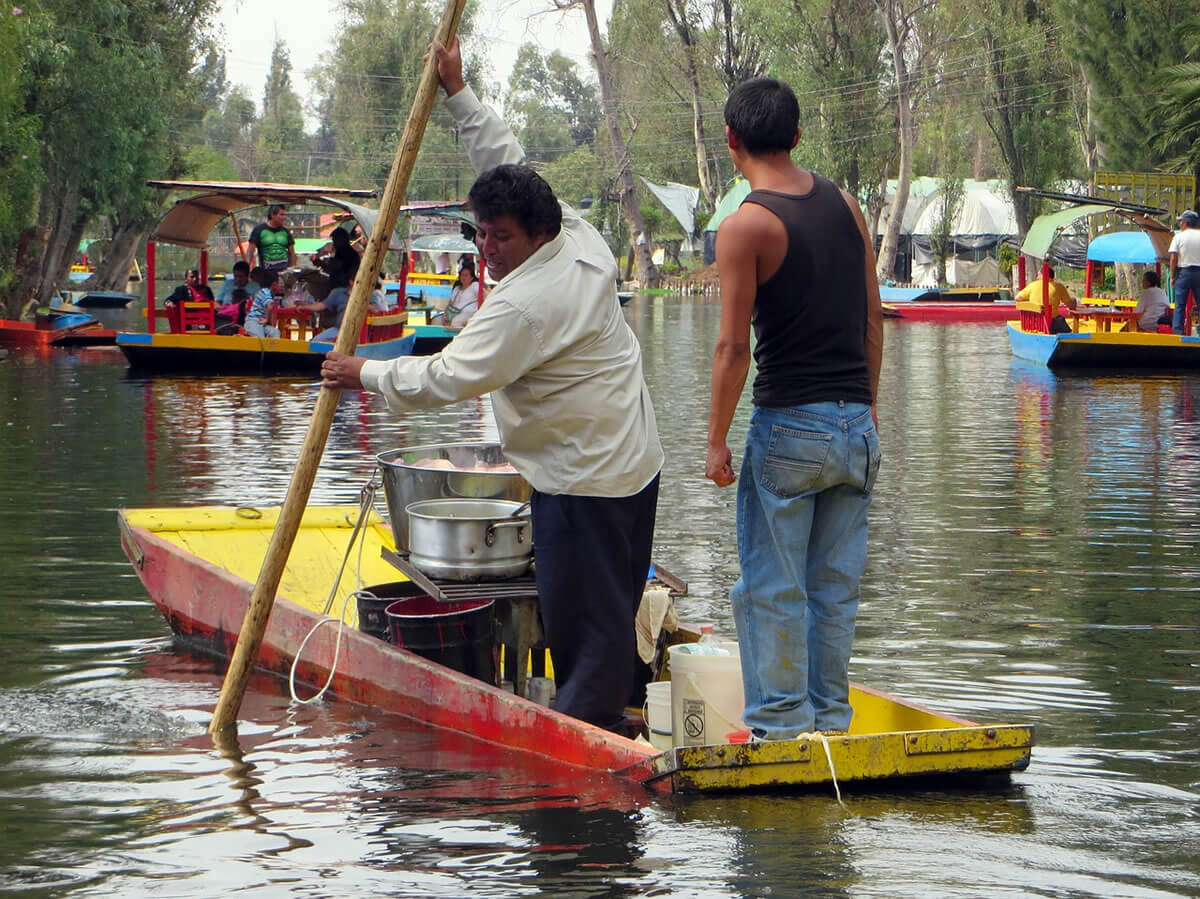
Floating Gardens and Living History: The Story of Xochimilco
Xochimilco, situated south of Mexico City, stands as a living testament to the Aztec legacy and the enduring spirit of Mexican culture. Nestled 28 km (17 mi) from the city center and at an elevation of 2,274 meters (7,461 feet) above sea level, Xochimilco derives its name from the Nahuatl words xochitl and milli, which translates to "where the flowers grow." This cultural haven, situated on Lake Xochimilco in the Valley of Mexico, boasts a rich history, with its characteristic urban and rural structures dating back to the 16th century, intertwining with the colonial period in a harmonious tapestry.
Aztec Heritage
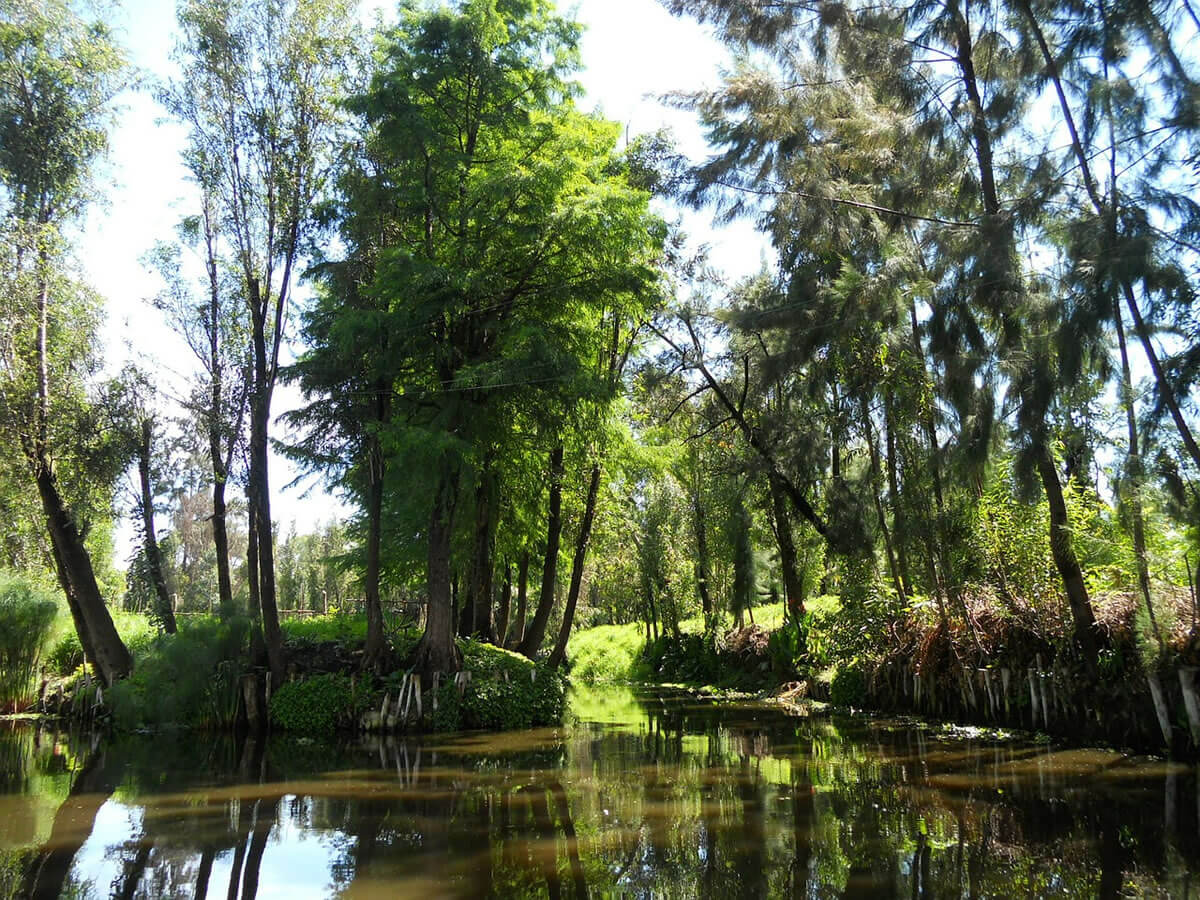
Xochimilco's roots date back to the Aztec civilization, which chose a small island in Lake Texcoco as the capital of its empire. The canals, the remnants of an extensive lake and canal system, are a defining feature of Xochimilco. Renowned for its chinampas or floating gardens, Xochimilco showcases the ingenuity of local agriculturalists who crafted branch and reed rafts covered with lake mud. These floating gardens, initially used for cultivating fruits, vegetables, and flowers, supplied the thriving city of Tenochtitlan (now Mexico City) via the interconnected canal system. Over time, the rafts took root, evolving into islands amid a network of small canals.
Cultural Landscape
While the conquering Spaniards reshaped the landscape by draining the lake and dismantling the island city of Tenochtitlan, Xochimilco's chinampas endured. Despite the changes, parts of this hybrid, half-natural, half-artificial landscape have been preserved as an 'ecological reserve.' These floating gardens, a unique blend of agriculture and ecology, significantly contribute to the region's vibrant biodiversity.
Today, Xochimilco remains a cultural landscape that reflects the intertwined history of the Aztec legacy and Spanish colonial influence. As an embodiment of the past, it stands as a living museum where the echoes of the ancient Aztec town resonate through the canals, gardens, and structures that have withstood the test of time.
Stylistic Influences
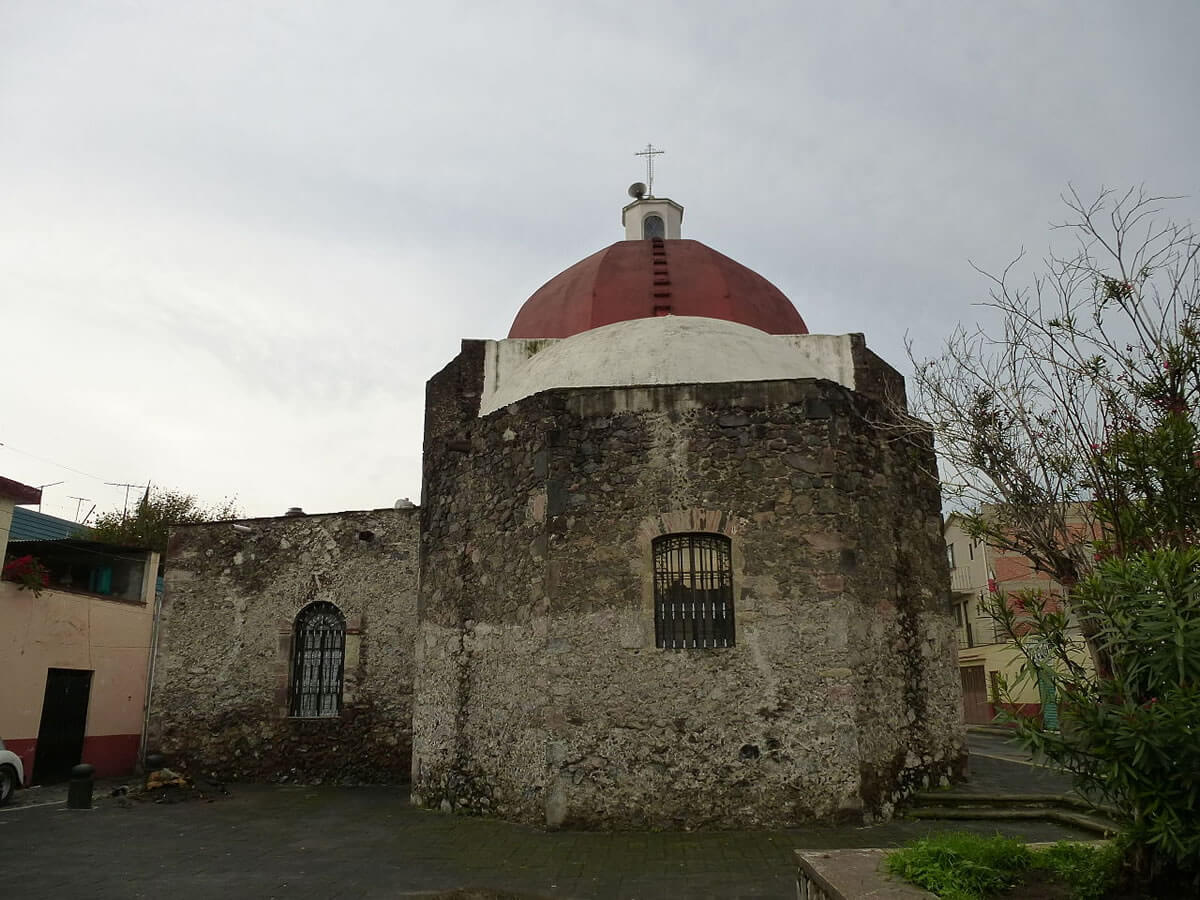
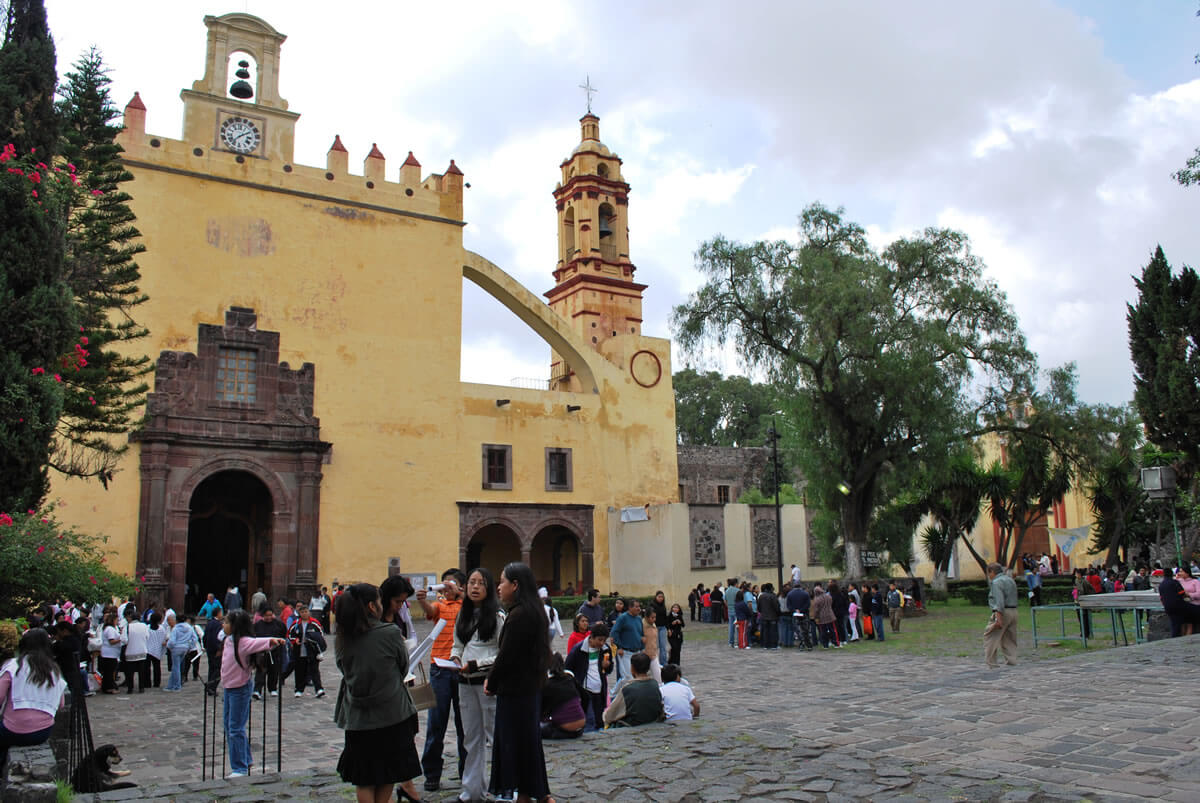
Xochimilco, once part of the Aztec Empire, underwent significant transformation with the arrival of the conquistadors. In their quest to establish New Spain, the Spaniards drained the surrounding lake and built Mexico City on the ruins of the pre-Hispanic city of Tenochtitlan. As it became known, the city of palaces was influenced by both Aztec and Spanish cultures in its stylistic design. The architectonic palimpsest that emerged showcases the layered history of Xochimilco, where the past and present coexist in a harmonious fusion.
Architecture and the Arts
From the 14th to the 19th century, Tenochtitlan and its successor, Mexico City, profoundly influenced architecture, monumental arts, and spatial design. The Aztec Empire's capital laid the groundwork for the architectural development of New Spain, resulting in a distinctive blend of styles that continues to define the region.
UNESCO Designation
Xochimilco's "floating gardens" have earned the prestigious designation of a UNESCO World Heritage Site alongside the Historic Center of Mexico City. This recognition highlights the exceptional preservation of Xochimilco's characteristic urban and rural structures, which date back to the 16th century and the colonial period. The UNESCO World Heritage designation recognizes the historical and cultural significance of Xochimilco, highlighting its enduring status as a cultural landscape that has withstood the test of time.
Conclusion
Xochimilco is a testament to Mexico's rich legacy. The past blooms in the floating gardens and canals. Its designation as a UNESCO World Heritage Site acknowledges the significance of this cultural landscape, where the echoes of the Aztec Empire resonate alongside the architectural palimpsest of Spanish colonial influence.
As visitors navigate the canals, they journey through time, witnessing the living history of Xochimilco, where the past, present, and vibrant flora converge in a captivating dance that celebrates the enduring spirit of Mexican heritage. Today, Xochimilco remains a vibrant hub of cultural activities, traditional celebrations, and ecological tourism, ensuring that its legacy is preserved, actively cherished, and enjoyed by future generations.