Latest Archaeological Entries

Jodensavanne Archaeological Site: A Glimpse into Suriname's Jewish History

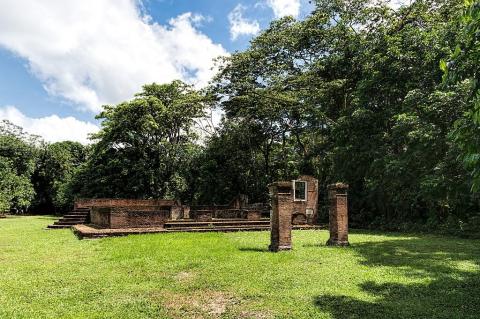
Nestled within the tropical forests of Suriname lies Jodensavanne, a settlement that tells the story of one of the earliest Jewish communities in the Americas. This historic site, established in the 17th century, offers a fascinating glimpse into the lives of Jewish settlers who sought refuge and opportunity in the New World. Along with the nearby Cassipora Creek Cemetery, Jodensavanne stands as a testament to the enduring cultural and religious legacy of the Jewish community in the region.
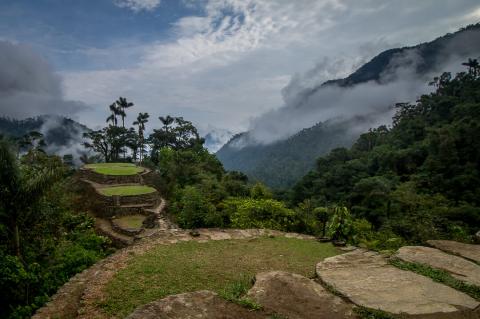
Ciudad Perdida: The Ancient Tairona Town

High in the mist-shrouded peaks of Colombia's Sierra Nevada de Santa Marta lies Ciudad Perdida, also known as "Teyuna" or "Buritaca." This ancient archaeological marvel, hidden deep within the dense jungle, predates the more famous Machu Picchu by over six centuries, with its origins believed to date back to around 800 CE. Shrouded in mystery for generations, Ciudad Perdida was once the thriving seat of the Tairona civilization, a sophisticated society that flourished long before European contact.

Origins of Civilization: The Prehistoric Caves of Yagul and Mitla

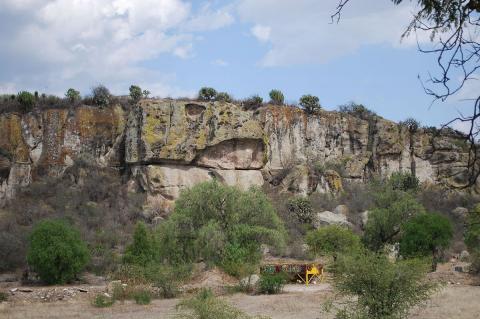
Nestled on the northern slopes of the Tlacolula Valley in Oaxaca, Mexico, the Prehistoric Caves of Yagul and Mitla form an extensive cultural landscape that bridges the ancient past with the rise of Mesoamerican civilizations. This UNESCO World Heritage Site encompasses two pre-Hispanic archaeological complexes alongside a series of prehistoric caves and rock shelters, offering a glimpse into the region's early human adaptation, agriculture, and societal development.

Palenque: The Maya Legacy in Stone and Nature

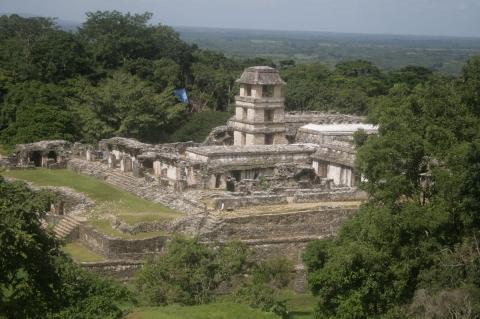
Located amidst the verdant jungles of southern Mexico, the Pre-Hispanic City and National Park of Palenque is a significant archaeological site and a national treasure. Once a thriving Maya city, Palenque, known in ancient times as Lakamha, meaning "Big Water," flourished during the 7th century before gradually being overtaken by the surrounding forest. Today, it is recognized as a UNESCO World Heritage Site, celebrated for its historical importance and natural beauty.

Casas Grandes: A Window into Ancient Pre-Columbian Civilization

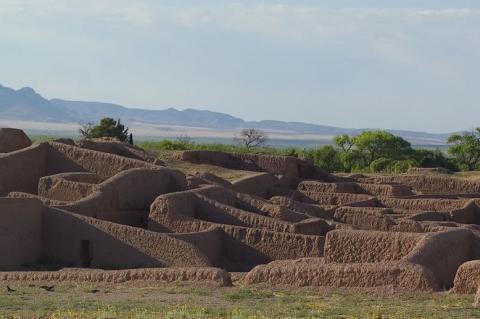
Casas Grandes, also known as Paquimé, is an important archaeological site in northern Mexico's Chihuahua state. Between the 11th and 14th centuries, it was home to a flourishing civilization representing the Mogollon culture's pinnacle. The site offers valuable insights into the advanced societies that thrived in the region before European explorers arrived. Its unique architecture, cultural significance, and role as a trading hub make it one of the most important pre-Columbian sites in North America.

El Tajín: The Hidden Jewel of Pre-Hispanic Mesoamerica

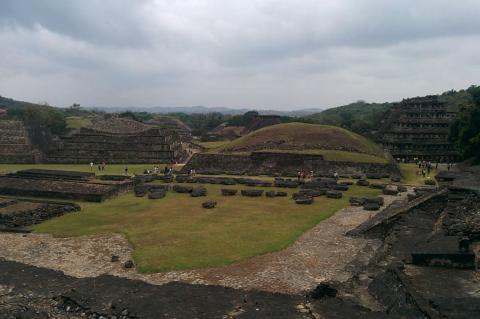
Nestled in the lush tropical landscape of Veracruz, Mexico, the ancient city of El Tajín stands as one of the most significant archaeological sites from pre-Hispanic Mesoamerica. Renowned for its elaborate architecture, astronomical alignment, and cultural influence, El Tajín reached its zenith between the 9th and 13th centuries, becoming a prominent center in the region following the decline of Teotihuacan. Designated a World Heritage Site, El Tajín is a testament to the sophistication and grandeur of ancient Mesoamerican civilizations.

Chichen-Itza: The Pre-Hispanic Jewel of the Yucatán Peninsula

In the dense jungles of Mexico's Yucatán Peninsula, the ancient city of Chichen-Itza stands as a symbol of the architectural brilliance, astronomical knowledge, and cultural fusion of the Maya and Toltec civilizations. With its awe-inspiring pyramids, observatories, and ceremonial plazas, Chichen-Itza offers a window into the rich history of Mesoamerica. Declared a World Heritage Site, the city thrived for nearly a millennium and is a testament to the complexity and grandeur of pre-Columbian society in the Americas.

Tiwanaku Ruins: The Heart of an Ancient Andean Civilization

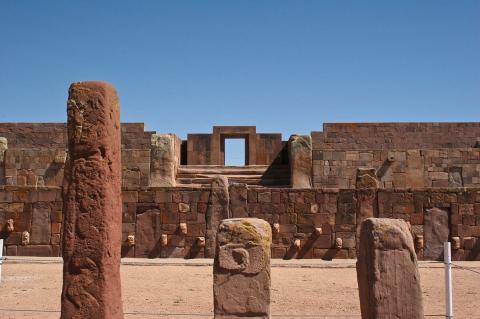
Located on the southern shore of Lake Titicaca in Bolivia, Tiwanaku is an impressive archaeological site that bears witness to one of the most advanced pre-Columbian civilizations in the Andes. Tiwanaku was once the political and cultural capital city of a powerful empire, exerting influence over vast regions of the southern Andes. This UNESCO World Heritage Site offers a rare insight into the technological and artistic achievements of its time, from its monumental stone structures to its sophisticated agricultural systems.

Teotihuacán: The Ancient Metropolis of Mesoamerica

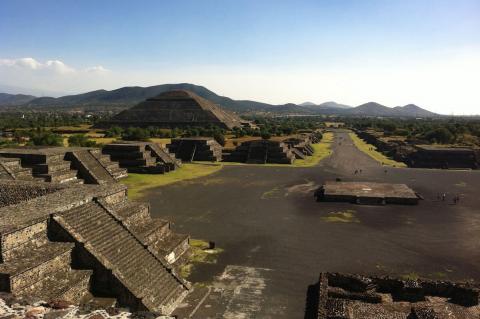
Teotihuacán, the ancient city in the Valley of Mexico, is one of the most significant and enigmatic archaeological sites in the Americas. Renowned for its immense pyramids, intricate urban planning, and profound cultural legacy, this pre-Hispanic metropolis dominated the landscape of ancient Mesoamerica. At its height, Teotihuacán was a center of trade, religion, and power and the largest city in the pre-Columbian Americas. Its influence resonated throughout the region, leaving an indelible mark on subsequent civilizations.

Chan Chan: The Ancient Citadel of the Chimu Empire

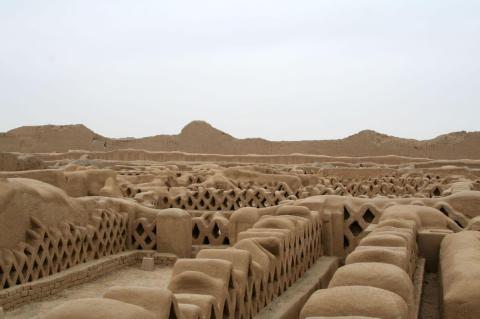
On the northern coast of Peru, in the Moche Valley, lies the sprawling adobe city of Chan Chan. Once the capital of the Chimu Empire, Chan Chan is a testament to the architectural prowess and cultural ingenuity of one of the most influential civilizations in pre-Columbian America. Chan Chan was the largest adobe city in the Americas and a major center of power on the northern Peruvian coast for centuries. Recognizing its historical importance, UNESCO declared Chan Chan a World Heritage Site.