Latest Archaeological Entries

Patagonia's Hidden Treasure: The Ancient Art of Cueva de las Manos

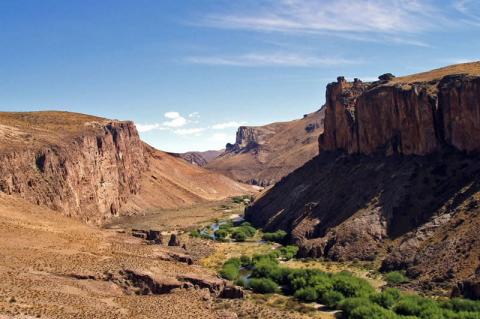
In the rugged landscape of Patagonia lies one of the world's most captivating archaeological treasures: the Cueva de las Manos, or Cave of Hands. Renowned for its striking prehistoric rock art, this site offers a rare glimpse into the lives and artistic expressions of the ancient peoples who once roamed the region. Designated as a World Heritage Site, this remote cave is a testament to early humans' creativity, beliefs, and traditions, preserved on its rock walls for millennia.
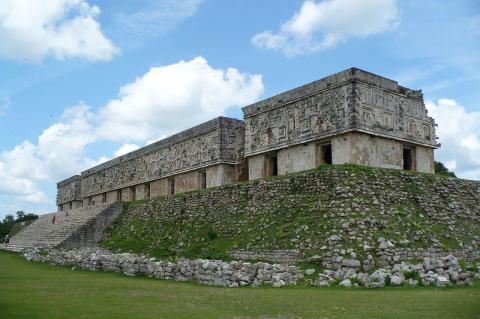
Uxmal: The Pinnacle of Maya Architecture

Uxmal, located in the heart of the Yucatán Peninsula, is one of the most significant archaeological sites of the ancient Maya civilization. Renowned for its distinctive architectural style, the Pre-Hispanic Town of Uxmal, a UNESCO World Heritage Site, represents the height of Maya cultural achievement during the Late Classic Period. With its intricate designs, advanced hydraulic systems, and unique astronomical orientation, Uxmal offers valuable insights into the social, political, and religious life of the Maya people.

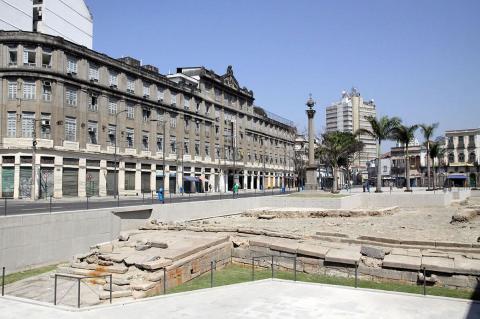
Valongo Wharf: Brazil's Gateway to a Dark Past

The Valongo Wharf Archaeological Site in Rio de Janeiro, Brazil, is a powerful reminder of one of the darkest chapters in human history: the transatlantic slave trade. Once a hub for the forced transportation of enslaved Africans to the Americas, Valongo Wharf bears witness to the suffering and exploitation endured by millions. Rediscovered during construction work, the site was designated a UNESCO World Heritage Site, recognizing its profound historical and cultural significance. The archaeological remains of the wharf serve as a place of reflection, remembrance, and education.

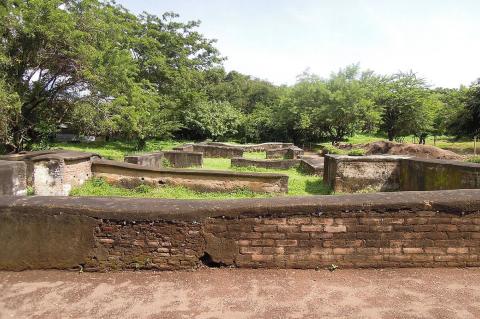
León Viejo: The Ancient Heart of Nicaragua

The Ruins of León Viejo, located in northwestern Nicaragua, represent a profound chapter in the early colonial history of the Americas. As one of the oldest Spanish colonial settlements, León Viejo is a significant historical and cultural site that offers unique insights into the interactions between Spanish settlers, Indigenous peoples, and the environment. Designated as a UNESCO World Heritage Site, the ruins of León Viejo stand as a preserved testament to Nicaragua's colonial past.

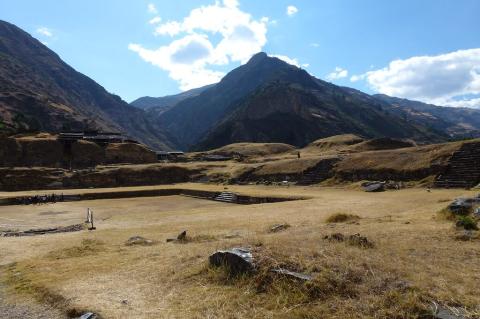
Chavín de Huántar: A Sacred Center of Early Andean Civilization

Chavín de Huántar, an archaeological site in the Ancash Region of Peru, is one of South America's most significant pre-Columbian cultural centers. Nestled above the Conchucos Valley, east of the Cordillera Blanca, this ancient site played a pivotal role in early Andean civilizations' religious and cultural life. Recognized as a UNESCO World Heritage Site, Chavín de Huántar showcases a unique combination of ceremonial, architectural, and artistic achievements from one of the earliest complex societies in the Americas.

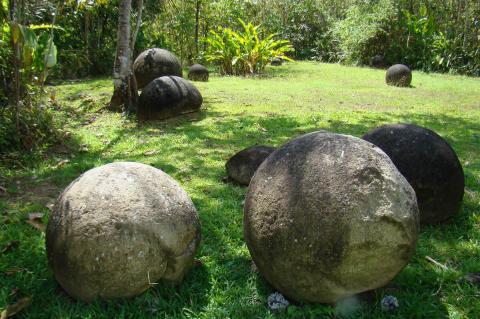
The Enigmatic Stone Spheres of the Diquís: A Legacy of Costa Rica's Ancient Past

A mysterious collection of over three hundred near-perfect stone spheres lies scattered among the tropical landscapes of Costa Rica's Diquís Delta and Isla del Caño. These remarkable artifacts, known locally as bolas de piedra, vary in size from small stones to massive spheres. Crafted by the now-extinct Diquís culture between 500 and 1500 CE, their true purpose remains unknown. The stone spheres not only showcase the craftsmanship and complexity of the Diquís people but also serve as an enduring symbol of Costa Rica's pre-Columbian heritage.

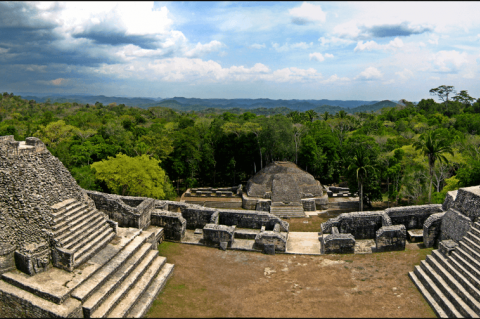
Caracol and Chiquibul: Uncovering Belize's Maya Legacy and Natural Riches

Belize is a land of rich historical significance and remarkable biodiversity. Among its most renowned treasures are the ancient Maya city of Caracol and the expansive Chiquibul National Park. These two interconnected sites provide an invaluable glimpse into the region's ancient past while showcasing its ecological richness. Together, they offer a compelling narrative of human ingenuity, environmental preservation, and cultural heritage.

Calakmul: The Hidden Maya City and Its Breathtaking Biosphere Reserve

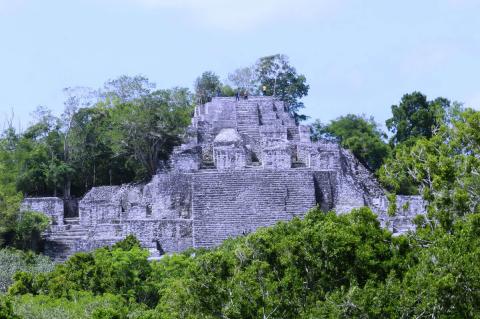
Deep within the dense jungles of the Yucatán Peninsula in southern Mexico lies Calakmul, one of the most significant archaeological sites of the ancient Maya civilization. This ancient city, nestled within the Calakmul Biosphere Reserve, is a testament to the grandeur of Maya urbanism and culture and a vital conservation area that protects a diverse range of flora and fauna. The combined cultural and natural heritage of the ancient Maya city has earned it recognition as a UNESCO World Heritage site.

Tikal: Where Ancient Civilization Meets Natural Splendor

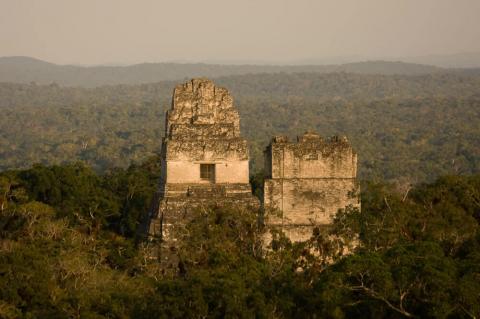
Tikal, one of the largest and most significant archaeological sites of the ancient Maya civilization, stands as a remarkable testament to the ingenuity and sophistication of a society that once flourished in the dense jungles of northern Guatemala. Today, Tikal is an iconic symbol of Maya architectural and cultural achievements and a crucial part of the vast Tikal National Park, a UNESCO site that preserves both the rich history and the extraordinary biodiversity of the region.

Copán: The Crown Jewel of the Maya Civilization

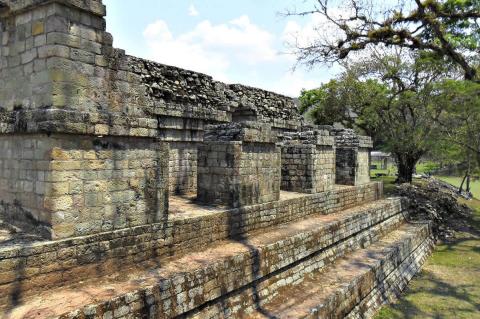
The Maya Site of Copán, nestled in the western region of Honduras near the border with Guatemala, stands as one of the most significant remnants of the ancient Mayan civilization. This remarkable archaeological site reflects the grandeur of the Mayan cultural and political achievements and offers invaluable insights into the sophisticated society that once thrived in Mesoamerica. With its intricate sculptures, impressive architectural feats, and rich historical significance, Copán has earned its place as a critical site in studying ancient civilizations.