
The Emerald Embrace: Exploring Colombia's Pacific/Chocó Natural Region
Colombia's Pacific/Chocó Natural Region, a vital strip along its western coastline, is a global biodiversity sanctuary. Known as the "Colombian Chocó," it features a warm, humid climate, dense rainforests, river systems, swamps, and mangrove ecosystems along the Pacific Ocean.
A Sanctuary of Endemism: Nature and Culture in Colombia's Chocó
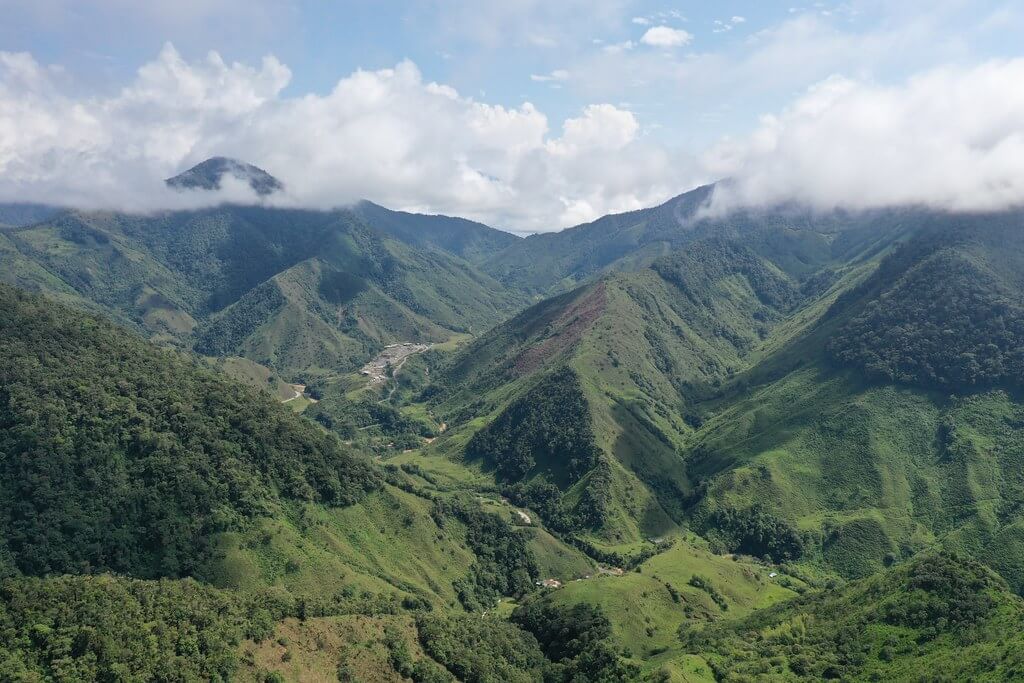
Colombia's Pacific/Chocó Natural Region, a verdant and vital strip along its western coastline, stands as a global sanctuary of biodiversity. Often referred to simply as the "Colombian Chocó," this approximately 75,000 square kilometer (29,000 sq mi) expanse is defined by its consistently warm and humid climate, a tapestry of dense rainforests, intricate river systems, sprawling swamps, and essential mangrove ecosystems bordering the Pacific Ocean. Flanked by the imposing Cordillera Occidental of the Colombian Andes to the east and stretching from the Darién Gap and Panama in the north to the border with Ecuador in the south, the Chocó is a realm of unparalleled ecological richness, shaped by unique evolutionary and environmental forces.
A Perpetual Wetness: Climate and Humidity
The Pacific/Chocó Natural Region is characterized by a warm and exceptionally humid climate that persists throughout the year. Average temperatures hover around 26 °C (79 °F), creating a consistently tropical environment. However, it is the extraordinary levels of humidity, averaging around 85%, and the staggering amounts of rainfall that truly define this region. Some areas within the Chocó experience rainfall rates among the highest on Earth, fostering the dense and perpetually wet rainforests that are its hallmark. The absence of a pronounced dry season in many parts of the region contributes to the constant moisture and the lush, verdant landscapes.
A Mosaic of Life: Unparalleled Biodiversity
Ecologically, the Pacific/Chocó Natural Region is a jewel within the Chocó Biogeographic Region, a crucial component of the Tumbes-Chocó-Magdalena biodiversity hotspot. This unique geographical confluence, coupled with evolutionary, ecological, climatic, and geological factors, has resulted in the Chocó harboring the highest concentration of biodiversity per unit area found anywhere on the planet. This relatively small region is home to an astonishing array of species, with an estimated 7,000 to 8,000 of the 45,000 species registered in Colombia residing here. The levels of endemism are equally remarkable, with over 2,000 plant species and more than 100 bird species found nowhere else on Earth, representing the highest endemism rates globally. This incredible biological wealth underscores the global significance of the Chocó for conservation efforts.
Water as Lifeblood: Rivers, Swamps, and Mangroves
The landscape of the Pacific/Chocó Natural Region is intricately interwoven with water. Numerous rivers, swollen by the region's high rainfall, crisscross the predominantly flat terrain, creating vital transportation routes and supporting diverse aquatic ecosystems. Extensive swamps and marshlands are a common feature, particularly in the low-lying coastal areas. Crucially, the region boasts significant stretches of mangrove forests lining the Pacific coast and river estuaries. These mangrove ecosystems are vital nurseries for marine life, protect coastlines from erosion, and provide essential habitats for a variety of specialized flora and fauna adapted to the brackish water environment.
A Cultural Tapestry: Afro-Colombian Heritage
The human history and culture of the Pacific/Chocó Natural Region are deeply intertwined with its unique environment. Predominantly inhabited by Afro-Colombian communities, descendants of enslaved Africans brought to the region during the colonial era, the Chocó boasts a rich cultural heritage expressed through music, dance, traditions, and a profound connection to the natural world. Indigenous communities also reside in parts of the region, contributing to the cultural mosaic. The challenges of the environment, including high rainfall and dense forests, have shaped the livelihoods and traditions of its people, fostering a deep understanding and reliance on the region's natural resources.
Notable Features and Attractions: A Wild Paradise
While perhaps less known for traditional tourism compared to other Colombian regions, the Pacific/Chocó Natural Region offers unique and compelling attractions for nature enthusiasts and those seeking authentic cultural experiences. Bahía Solano and Nuquí are coastal towns that serve as gateways to pristine beaches, lush rainforests teeming with wildlife, and opportunities for whale watching (humpback whales migrate here annually to breed). Utria National Natural Park showcases the region's biodiversity, including mangroves, coral reefs, and diverse marine life. The remote and wild nature of much of the Chocó offers opportunities for eco-tourism and immersion in its unique cultural and natural heritage.
Conclusion: A Global Treasure
Colombia's Pacific/Chocó Natural Region is an emerald jewel of global ecological significance. Its perpetually wet climate has fostered rainforests of unparalleled biodiversity and endemism. Intertwined with a network of rivers, swamps, and vital mangrove ecosystems, this region supports an extraordinary array of life. The rich Afro-Colombian culture, deeply connected to the land, adds another layer of value to this wild paradise. As a critical component of global biodiversity, the Pacific/Chocó Natural Region underscores the importance of conservation and sustainable practices to protect its unique natural and cultural heritage for future generations.
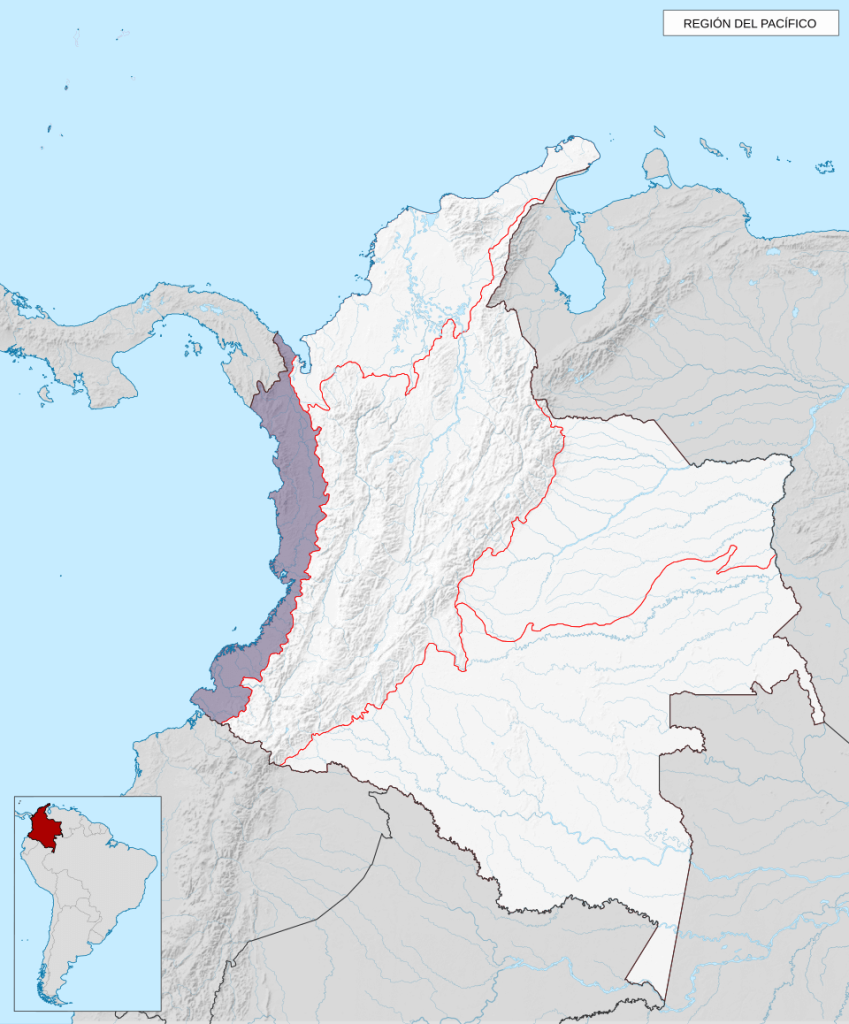
Map depicting the location of the Pacific/Chocó Natural Region of Colombia.