Jamaica

Spanish Town: Unveiling the Rich Heritage of Jamaica's First Capital

Nestled in the heart of Jamaica's lush St. Catherine Parish, west of the capital, Kingston, lies Spanish Town, a historic gem that bears witness to the island's rich and diverse cultural heritage. Located along the banks of the Cobre River, in the fertile plains of the Liguanea Plain, the Spanish settlers initially chose this captivating town for its proximity to coastal areas, natural resources, and defensible position. Once the capital of Jamaica, Spanish Town is a tapestry of colonial architecture, vibrant traditions, and a legacy that spans centuries.

The Archaeological Ensemble of 17th Century Port Royal: Jamaica's Sunken Colonial Capital

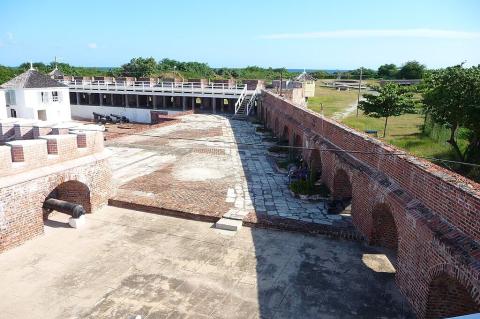
At Kingston Harbour in southeastern Jamaica lies the remains of Port Royal, once the most important English port in the Caribbean and the fourth largest city in the Americas. This colonial city, thriving in the late 17th century as a trade, naval, and piracy hub, was devastated in 1692 when an earthquake submerged two-thirds of its territory. The site, inscribed by UNESCO, offers rare insights into colonial urban life, maritime trade, and social dynamics, embodying a global archaeological treasure and a reminder of the power of natural disasters to reshape civilization.

The Blue and John Crow Mountains: A Natural and Cultural Jewel of Jamaica

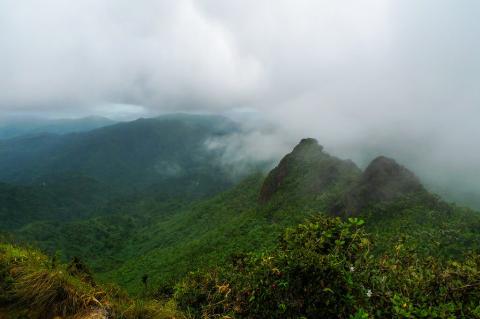
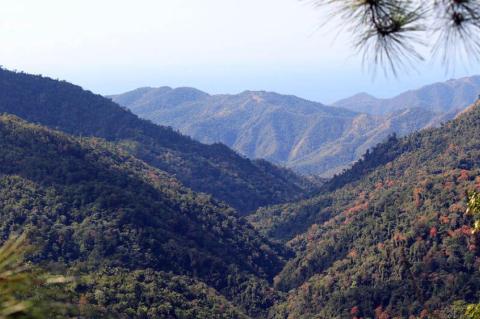
Jamaica's Blue and John Crow Mountains encompass a rich cultural and natural heritage mosaic. They served as a refuge for indigenous peoples and, later, the Maroons. This UNESCO World Heritage Site and National Park boasts exceptional biodiversity, with unique plant and animal species in its montane rainforests. Conservation efforts protect this ecologically significant area, preserving its beauty and cultural legacy for future generations.

The Ecoregions of Jamaica: Nature's Caribbean Canvas

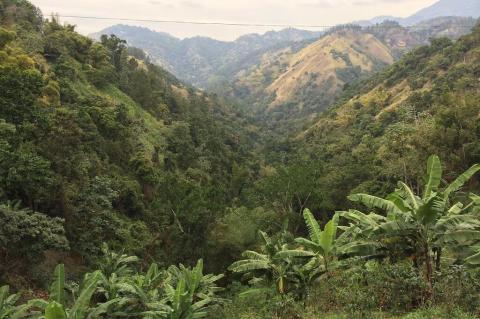
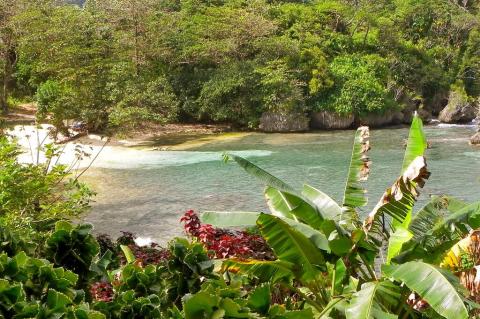
Jamaica's position in the Caribbean Sea has given rise to three distinct World Wildlife Fund (WWF) terrestrial ecoregions: the Jamaican moist forests, Jamaican dry forests, and Greater Antilles mangroves. These ecological zones represent unique assemblages of flora and fauna shaped by the island's geographical isolation, varied topography, and climate patterns. Protecting these ecoregions is critical to preserving the island's natural heritage.