Bodies of Water of Honduras

Coco River: The Lifeblood of Nicaragua and Honduras

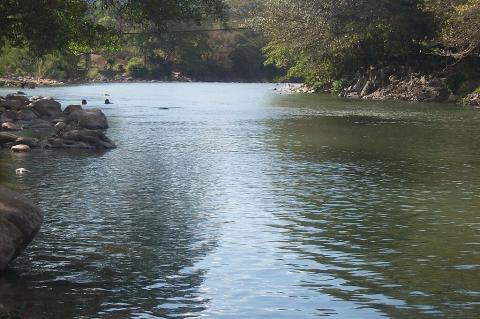
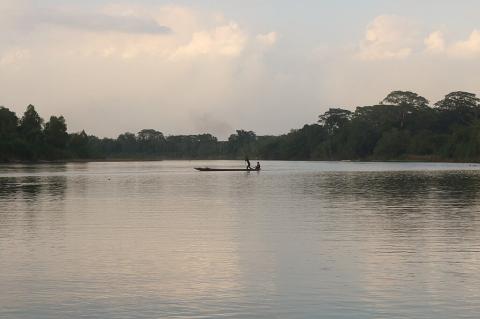
The Coco River is one of the most prominent rivers in Central America. Formerly referred to as the Segovia River, it stretches along the border between Nicaragua and Honduras, serving as a natural divider and a cultural crossroads. Originating in the highlands of Honduras and flowing eastward to the Caribbean Sea, the Coco River supports diverse ecosystems and Indigenous communities while facilitating economic activities such as agriculture and fishing.

Gulf of Fonseca: Central America’s Coastal Treasure

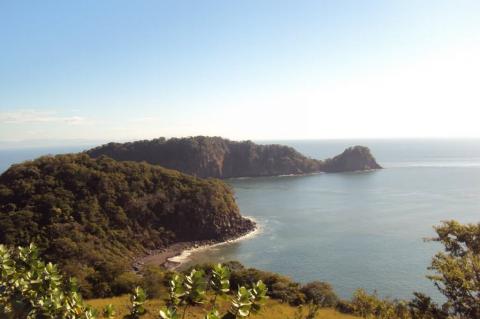
The Gulf of Fonseca is a stunning inlet of the Pacific Ocean nestled along the coasts of three Central American countries: El Salvador, Honduras, and Nicaragua. This picturesque body of water, renowned for its ecological diversity, historical significance, and economic importance, is a critical maritime hub in the region. Encompassing a mix of pristine beaches, lush mangroves, and vibrant marine life, the Gulf of Fonseca is a testament to Central America's natural beauty and cultural richness.

Roatán and the Bay Islands: Caribbean Gems in Honduras' Coral Kingdom

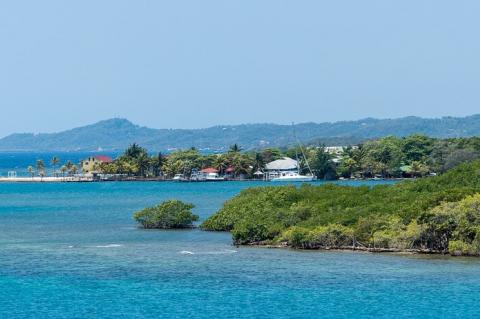
In the azure waters of the Caribbean Sea, where ancient coral formations meet tropical landscapes, lies one of Central America's most remarkable marine ecosystems—the Bay Islands of Honduras. Anchored within the Gulf of Honduras, this archipelago represents a living testament to millions of years of geological evolution and marine biodiversity, with Roatán serving as its crown jewel. Here, beneath crystalline waters, thrives the second-largest barrier reef system in the world, while above, a rich tapestry of cultures weaves together Indigenous, colonial, and Afro-Caribbean influences.

The Lempa River: Central America's Lifeline of Nature and Culture

Flowing through the heart of Central America, the Lempa River is a vital artery that sustains the landscapes, economies, and communities of three nations: Guatemala, Honduras, and El Salvador. As the longest river in El Salvador, it holds immense significance in the region, shaping its environment, history, and cultural identity. The river's diverse ecosystems, historical importance, and economic contributions make it a subject of considerable interest and a focal point for conservation efforts.

The Patuca River: Lifeline of Eastern Honduras

The Patuca River is the longest and most significant river in Honduras. It flows from the mountains of central Honduras to the Caribbean Sea and shapes the geography, ecology, and culture of the eastern region of the country. The river supports a wide array of ecosystems and human settlements. Despite its ecological importance, the river faces challenges from deforestation, hydroelectric projects, and climate change.