Cities & Towns in South America

São Paulo: The Dynamic Heart of Brazil

São Paulo, often called the heartbeat of Brazil, is a city of contrasts, diversity, and immense cultural influence. São Paulo is Brazil's largest city and a major economic and cultural hub in Latin America, known for its towering skyscrapers, bustling streets, and vibrant arts scene. The city offers a captivating blend of history, modernity, and multiculturalism, drawing people worldwide. São Paulo's significance extends beyond Brazil, as it globally shapes trends in finance, art, cuisine, and architecture.

Stanley: Gateway to the Falklands' Rich History and Natural Beauty

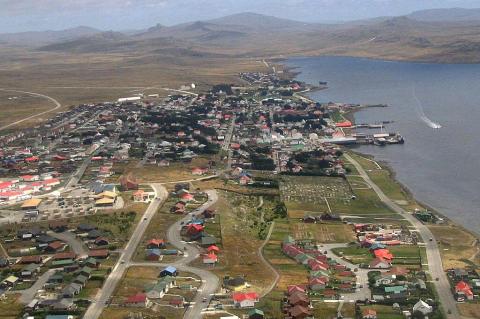
Stanley, nestled along the southern shore of Port William inlet on the northeast coast of East Falkland, serves as the vibrant capital of the Falkland Islands, also known as Islas Malvinas. This unique town is an administrative center and a cultural and historical hub. With a history of maritime significance, conflict, and modern development, Stanley offers a captivating blend of natural beauty, historical landmarks, and a thriving local community.

Sucre: Bolivia's Jewel of Colonial Grandeur and Architectural Fusion

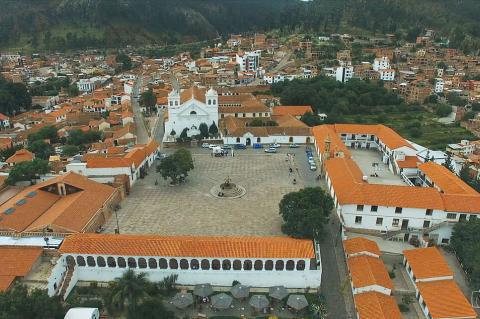
Nestled in the heart of Bolivia's south-central region, Sucre stands as a living testament to the country's rich colonial heritage and the harmonious fusion of indigenous and European architectural styles. Founded in 1538 by Spanish settlers, this historic city has undergone a remarkable transformation from its humble beginnings on the lands of the Yampara indigenous culture to its current status as Bolivia's constitutional capital and a UNESCO World Heritage Site.

The Federal District of Brazil: A Political and Cultural Hub

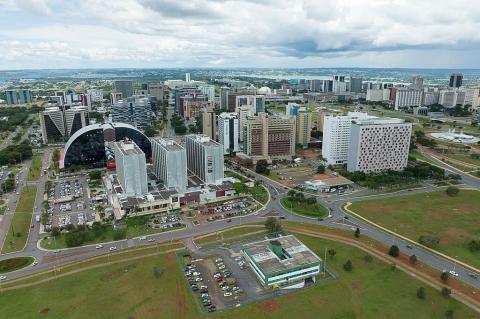
The Federal District of Brazil, known as Distrito Federal, is a unique administrative region that plays a pivotal role in the nation's governance and identity. Established as the capital of Brazil, Brasília exemplifies modern urban planning and serves as the epicenter of political activity in the country. The Federal District stands out as a vital component of Brazil's national narrative with a distinct blend of history, governance, economy, and cultural richness.

The Living Heritage of Cusco: A Journey Through Time in Peru's Sacred Valley

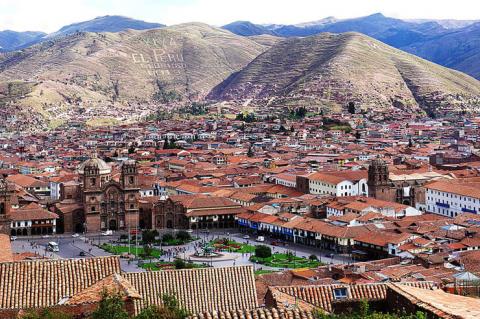
Perched high in the Andes within Peru's Sacred Valley, Cusco exemplifies a living cultural heritage where ancient Inca stonework seamlessly integrates with Spanish colonial architecture. Once the heart of Tawantinsuyu, this UNESCO World Heritage city serves as a gateway to Machu Picchu for millions of annual visitors while maintaining vibrant indigenous traditions. From the legendary Qoricancha temple to bustling markets where Quechua-speaking vendors sell traditional textiles, Cusco reveals a place where the boundaries between past and present dissolve into extraordinary harmony.

The Urubamba Valley: Sacred Heart of the Inca Empire

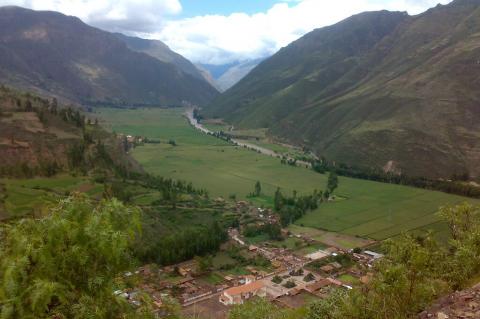
The Urubamba Valley, or Sacred Valley of the Incas, extends 100 km through Peru's Andes at 2,050-3,700 meters altitude. This fertile land, shaped by the Urubamba River and sacred to Inca cosmology, hosts key archaeological sites such as Machu Picchu, Ollantaytambo, and Pisac. Quechua communities preserve ancient agriculture on terraced slopes where native species like Polylepis trees and Vicugna vicugna thrive. Sustainable tourism supports preservation and economic growth in this UNESCO World Heritage site.

Unveiling Potosí: A Legacy of Silver and Splendor

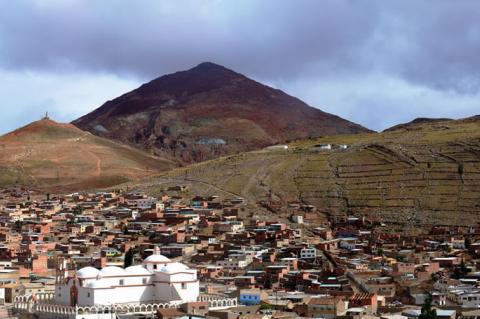
Potosí, Bolivia, is situated in the Andes and is renowned for its colonial history. The city is a live museum of the silver mining industry, which once brought immense wealth and historical significance to the region. Potosí's history is closely intertwined with the discovery of the Cerro Rico silver deposit in 1545. This discovery transformed the city into one of the largest and wealthiest urban centers in the Americas during the Spanish colonial period.

Ushuaia and Tierra del Fuego: Exploring the Southernmost Reaches

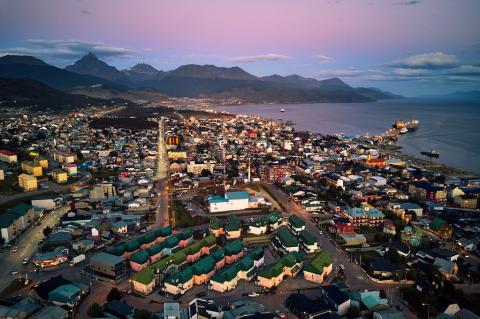
At the very edge of the South American continent, where the vast expanse of the Atlantic and Pacific Oceans converge, lies a region steeped in history, adventure, and breathtaking natural beauty – Tierra del Fuego and its capital, Ushuaia. This southernmost province of Argentina, aptly named the "Land of Fire," is a land of contrasts, where rugged mountains meet pristine waterways, and ancient cultures coexist with modern-day marvels.

Valparaíso: A Kaleidoscope of Color, Culture, and Maritime Legacy

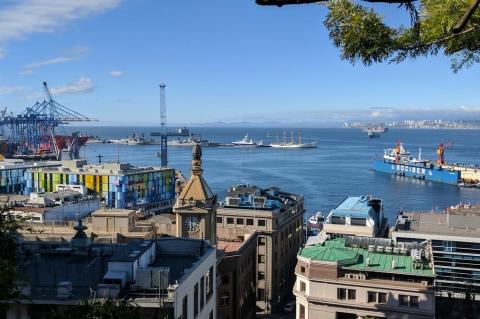
Perched on the rugged Pacific coast of Chile, the city of Valparaíso exudes a captivating tapestry of color, culture, and maritime heritage. Often affectionately referred to as "Valpo," this vibrant port city has long enchanted visitors with its labyrinth of winding streets, colorful houses clinging to steep hillsides, and a palpable bohemian spirit that permeates every corner. UNESCO designated the Historic Quarter of Valparaíso as a World Heritage Site, a testament to its unique urban and architectural qualities that have withstood the test of time.

Where Mountains Meet the Sea: The Cultural and Natural Tapestry of Paraty and Ilha Grande

Nestled between the Serra da Bocaina mountain range and the Atlantic Ocean, the World Heritage Site of Paraty and Ilha Grande, located in the states of Rio de Janeiro and São Paulo, is a unique blend of rich cultural history and stunning biodiversity. It includes the historic center of Paraty, the island of Ilha Grande, and four protected natural areas of the Brazilian Atlantic Forest, one of the world's critical biodiversity hotspots. This remarkable site offers a window into Brazil's colonial past, showcasing its commitment to preserving its natural treasures.