Landforms of Panama

Barú Volcano National Park: Where Nature and History Converge

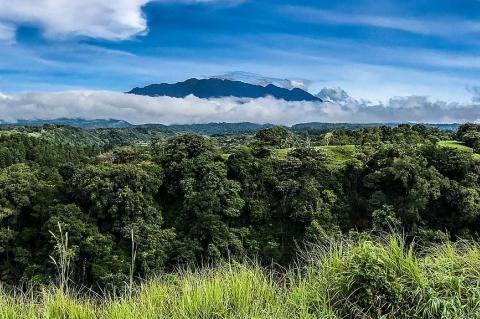
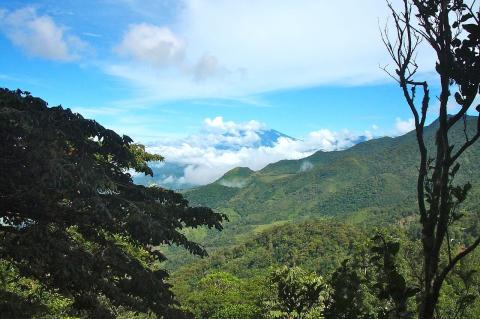
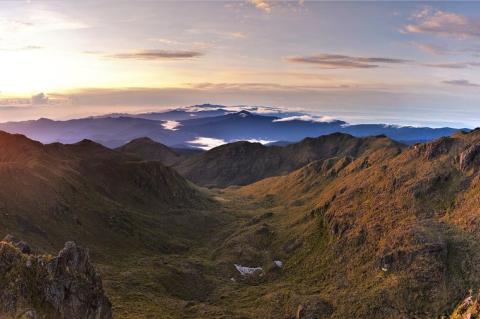
Barú Volcano National Park, located in the Chiriquí Province of western Panama, is home to the tallest mountain in the country, the Barú Volcano. The Barú Volcano offers breathtaking views and a unique ecological environment. The park has diverse flora and fauna, rich cultural history, and geological significance. As a popular destination for hikers, birdwatchers, and nature enthusiasts, Barú Volcano National Park provides a unique opportunity to experience Panama's natural beauty and explore one of its most iconic landmarks.

Bocas del Toro: Panama’s Caribbean Paradise

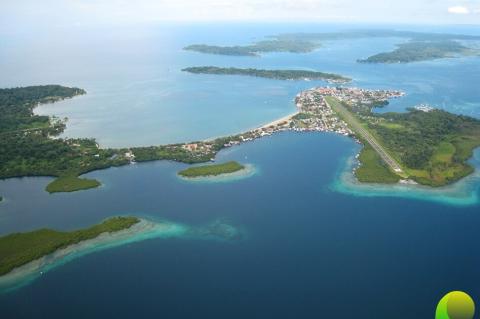
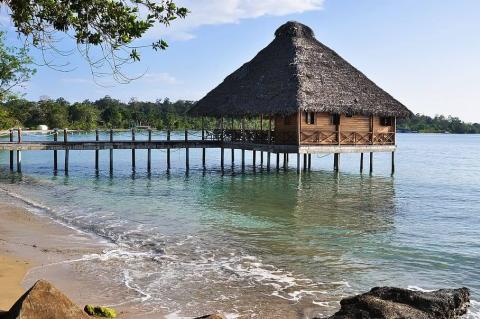
The Bocas del Toro Archipelago, located off the northern Caribbean coast of Panama, is an enchanting collection of islands, islets, and cays that captivates visitors with its pristine beaches, lush rainforests, and vibrant coral reefs. The archipelago, known for its natural beauty and biodiversity, is a hub of ecotourism, offering travelers opportunities to experience relaxation and adventure. As part of Panama's Bocas del Toro Province, this region is home to some of the most picturesque landscapes in the Caribbean.

Coiba Island: The Galápagos of Central America

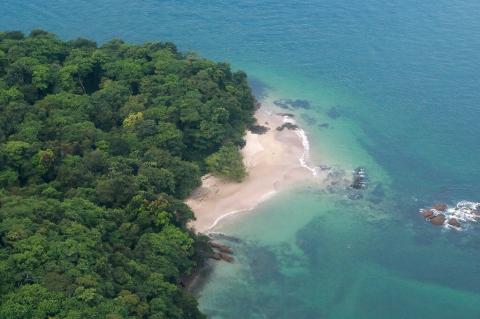
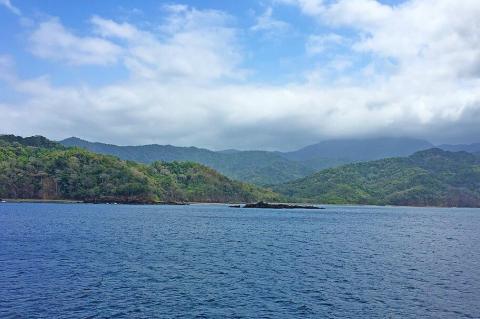
Coiba Island, located off the western coast of Panama, is a natural paradise characterized by its remarkable biodiversity and unspoiled ecosystems. As the largest island in Central America, Coiba and its surrounding National Park provide a unique refuge for numerous plant and animal species. Over the centuries, this island has evolved from an isolated haven to a feared prison colony and, finally, to a renowned conservation area and UNESCO World Heritage Site.

Cordillera de Talamanca: A Biodiversity Haven in Central America

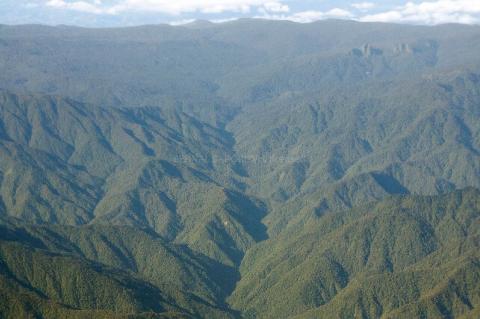
The Cordillera de Talamanca, a majestic mountain range in southern Costa Rica extending into western Panama, is one of Central America's most ecologically significant and biologically diverse regions. Renowned for its rugged terrain, towering peaks, and unique ecosystems, this mountain range is a natural barrier and a sanctuary for countless endemic species. With its rich biodiversity, varied climates, and cultural heritage, the mountain range is a living testament to the region's natural beauty and ecological importance.

San Blas Islands: Panama's Caribbean Jewel

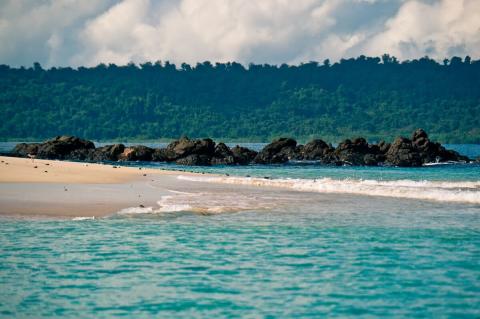
Nestled in the Caribbean Sea along Panama's northeastern coast, the San Blas Islands, known as the Guna Yala Archipelago, are characterized by their unspoiled natural beauty and vibrant indigenous culture. This chain of approximately 365 islands, many of which are uninhabited or sparsely populated, offers a stunning landscape of turquoise waters, white sandy beaches, and lush tropical vegetation. The archipelago is a living testament to the Guna people's resilience and commitment to preserving their environment.

The Azuero Peninsula: Panama's Cultural Heartland and Ecological Haven

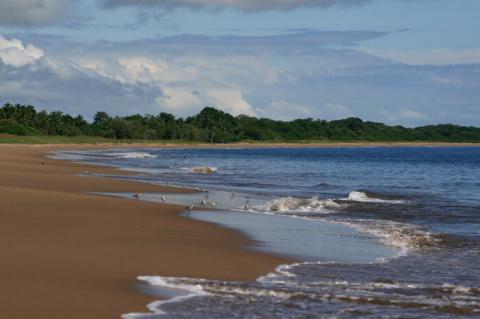
The Azuero Peninsula, jutting into the Pacific Ocean from southern Panama, is a region rich in cultural history and ecological diversity. Known as the "heartland" of Panamanian culture, it is where tradition, agriculture, and natural beauty converge. Despite its relatively small size, the peninsula is a mosaic of contrasting landscapes, ranging from dry forests and mangrove swamps to cultivated fields and small bustling towns. The region's unique blend of cultural heritage, agricultural history, and environmental significance makes it a captivating area.

The Central America Volcanic Arc: Where Ocean Floor Becomes Mountains

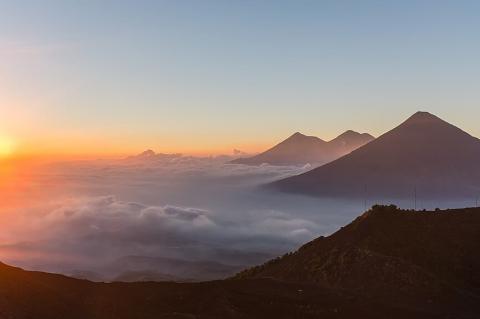
Stretching from Guatemala's volcanic highlands to Panama's Cordillera de Talamanca, the Central America Volcanic Arc represents one of the world's most active and scientifically significant volcanic chains. This geological marvel, also known as the Central Volcanic Range, encompasses more than 70 Holocene volcanoes that have fundamentally shaped the landscape, climate, and human history of Central America. The arc's formation results from the relentless subduction of oceanic crust that transforms seafloor sediments into towering volcanic peaks.

The Isthmus of Panama: Where Continents Collide and Biodiversity Flourishes

The Isthmus of Panama, historically known as the Isthmus of Darien, stands as one of Earth's most geologically significant landforms—a narrow bridge connecting North and South America while separating the Atlantic and Pacific Oceans. This slender strip of territory represents far more than a geographic curiosity. Its formation ranks among the most consequential geological events of the past 60 million years, fundamentally reshaping global climate patterns, ocean circulation, and the distribution of life across two continents.

The Pearl Islands: A Glimpse into Panama’s Pristine Archipelago

Nestled in the serene waters of the Gulf of Panama, the Pearl Islands (Archipiélago de las Perlas) stand as a picturesque archipelago rich in history and natural beauty. Located southeast of Panama City, these islands, known locally as Islas de las Perlas, comprise a stunning collection of 183 islands and islets, with 39 considered sizable. Renowned for its lush landscapes, pristine beaches, and vibrant marine life, the Pearl Islands are a popular destination for tourists and fishermen alike.

The Twin Jewels of the Caribbean: Exploring the Gulfs of Darién and Urabá

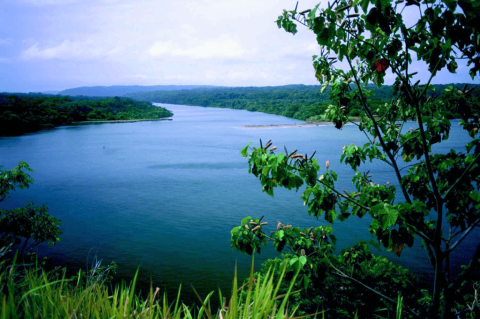
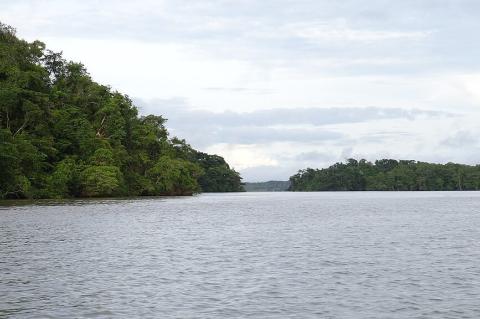
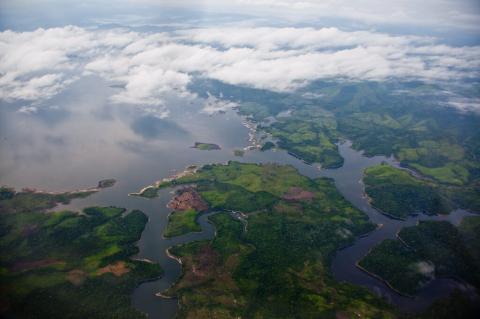
Nestled between the Caribbean Sea and the dense tropical rainforests of Central and South America lie two lesser-known yet profoundly significant bodies of water: the Gulf of Darién and the Gulf of Urabá. These gulfs, often overshadowed by their more famous regional counterparts, are geographical and ecological treasures. Within their boundaries, they hold a rich tapestry of history, vibrant ecosystems, and socio-economic dynamics that have shaped the lives of the communities around them for centuries.