Landforms of El Salvador

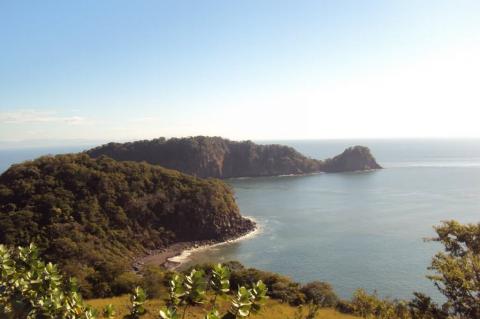
Gulf of Fonseca: Central America’s Coastal Treasure

The Gulf of Fonseca is a stunning inlet of the Pacific Ocean nestled along the coasts of three Central American countries: El Salvador, Honduras, and Nicaragua. This picturesque body of water, renowned for its ecological diversity, historical significance, and economic importance, is a critical maritime hub in the region. Encompassing a mix of pristine beaches, lush mangroves, and vibrant marine life, the Gulf of Fonseca is a testament to Central America's natural beauty and cultural richness.

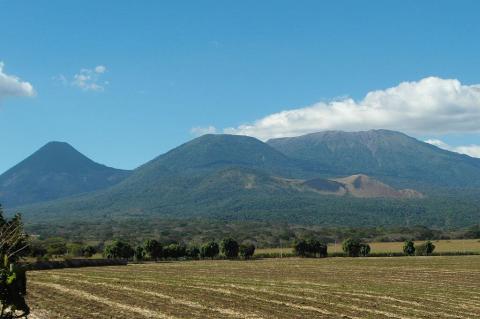
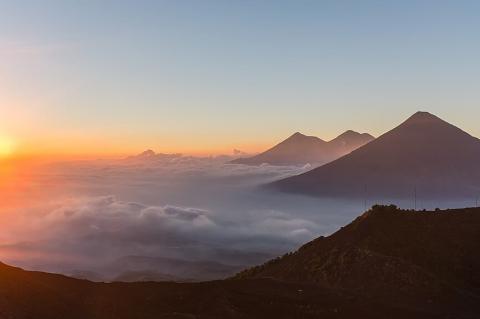
Izalco and Santa Ana: Guardians of El Salvador's Volcanic Landscape

Towering above the western highlands of El Salvador, the Izalco and Santa Ana (Ilamatepec) volcanoes stand as powerful testaments to the country's dynamic geological history. These stratovolcanoes shape the surrounding landscape and play a crucial role in El Salvador's culture, history, and ecology. While Izalco's fiery eruptions once earned it the nickname "Lighthouse of the Pacific," Santa Ana's vast crater and complex terrain showcase the forces of nature that continue to sculpt the region.

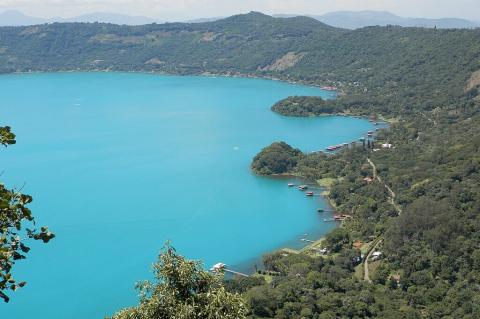
Lake Coatepeque: The Jewel of El Salvador's Volcanic Landscapes

Nestled within the volcanic highlands of western El Salvador, Lake Coatepeque captivates visitors with its breathtaking beauty and tranquil waters. This crater lake, formed over thousands of years by volcanic activity, offers a serene retreat surrounded by verdant slopes and rich biodiversity. Its vibrant cultural history, ecological importance, and recreational opportunities make it one of the most iconic destinations in the region.

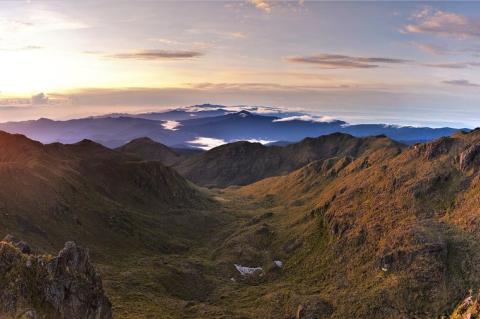
The Central America Volcanic Arc: Where Ocean Floor Becomes Mountains

Stretching from Guatemala's volcanic highlands to Panama's Cordillera de Talamanca, the Central America Volcanic Arc represents one of the world's most active and scientifically significant volcanic chains. This geological marvel, also known as the Central Volcanic Range, encompasses more than 70 Holocene volcanoes that have fundamentally shaped the landscape, climate, and human history of Central America. The arc's formation results from the relentless subduction of oceanic crust that transforms seafloor sediments into towering volcanic peaks.

The Sierra Madre de Chiapas: A Vital Natural Divide

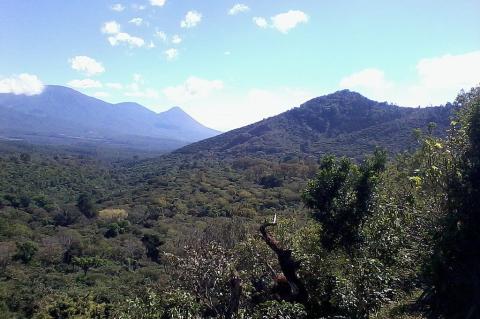
The Sierra Madre de Chiapas is an impressive mountain range that extends parallel to the Pacific coast in southern Mexico and northern Central America. As the southernmost extension of the Sierra Madre Mountain System, this range is a significant geographical and ecological landmark. Spanning multiple countries, the Sierra Madre de Chiapas is known for its diverse ecosystems, volcanic activity, and role in the region's hydrology.