Panama

Gulf of Panama: The Heart of Maritime Trade and Biodiversity

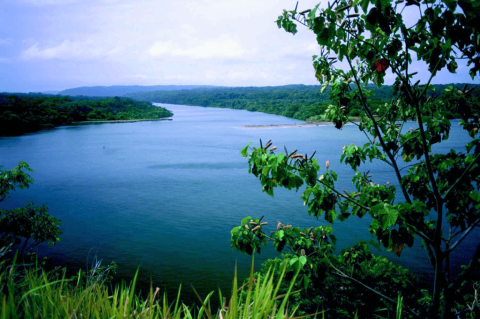
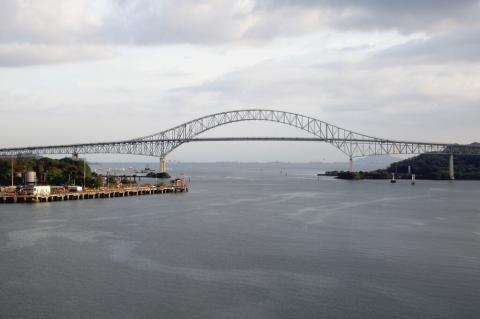
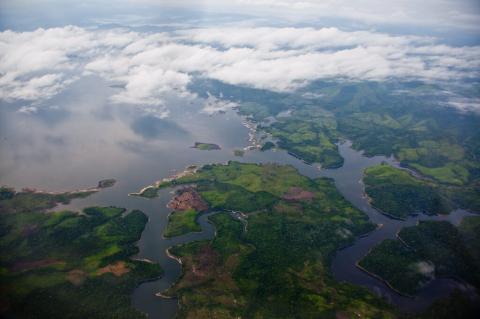
The Gulf of Panama, a prominent body of water along Panama's southern coast, serves as a key connection between the Pacific Ocean and the Panama Canal, making it a vital hub for global maritime trade. With its unique geographical features and ecological diversity, this expansive Gulf is central to Panama's economy and natural heritage. Home to the bustling capital, Panama City, and bordered by smaller gulfs and bays, the Gulf is a dynamic region where urban development and natural environments coexist.

La Amistad International Park: A Sanctuary of Nature and Tradition in the Talamanca Mountains

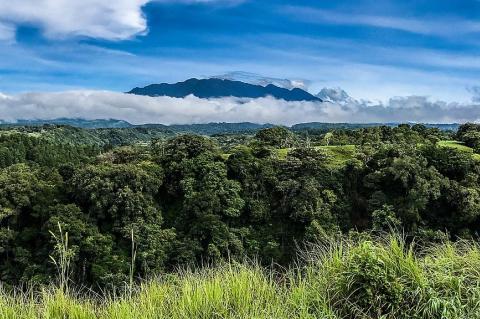
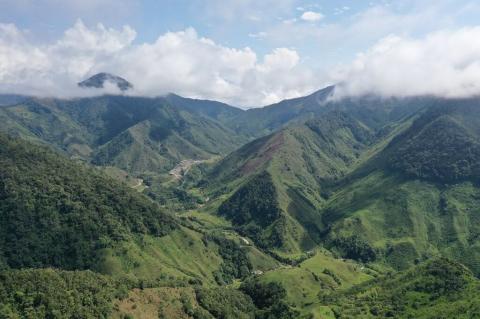
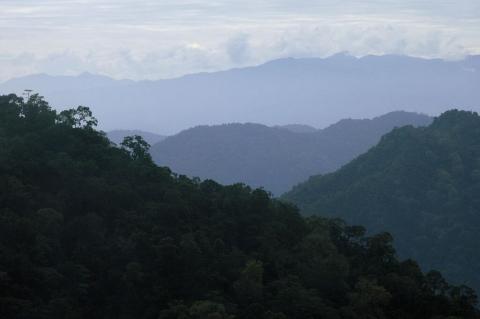
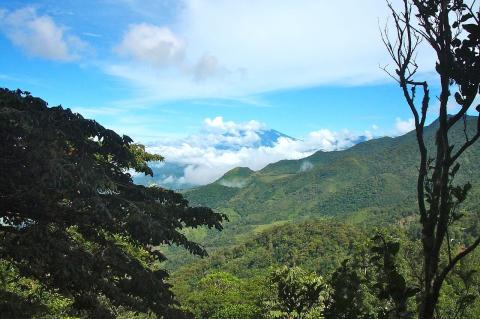
High in the cloud-shrouded peaks of the Cordillera de Talamanca lies one of the most remarkable conservation achievements in the Americas. La Amistad International Park, spanning the Costa Rica-Panama border, is more than a protected area—it's a symbol of international cooperation and a vital component of the Mesoamerican Biological Corridor. Established as the "La Amistad International Peace Park," this UNESCO site protects one of Central America's largest remaining forests, showing how transboundary conservation can transcend political boundaries to preserve shared natural heritage.

Panama City: A Global Hub of Culture, Trade, and Innovation

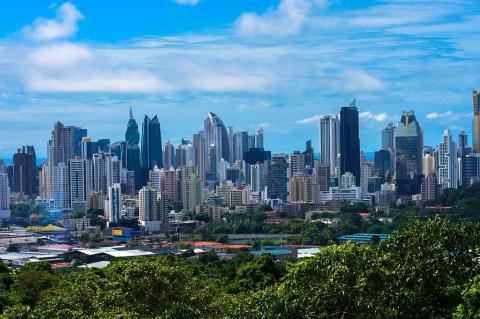
Panama City, the capital and largest city of Panama, is a vibrant metropolis that blends modernity with historical significance. Located on the Pacific coast, near the entrance of the Panama Canal, it serves as a cultural, economic, and logistical hub for Central and South America. As one of the most cosmopolitan cities in the region, Panama City offers a unique mixture of skyscrapers, colonial architecture, and a rich cultural landscape that reflects its strategic position and diverse heritage.

Panamá Viejo and Casco Antiguo: The Colonial Foundations of Modern Panama

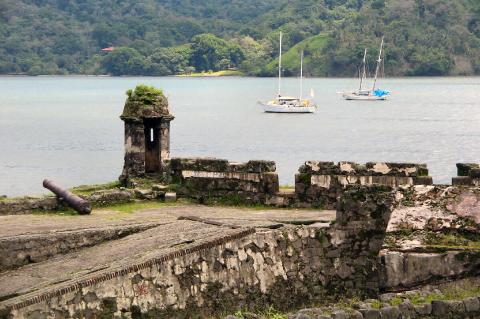
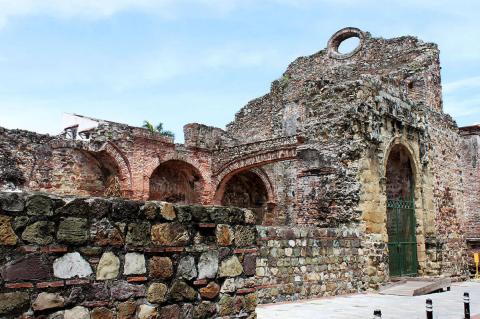
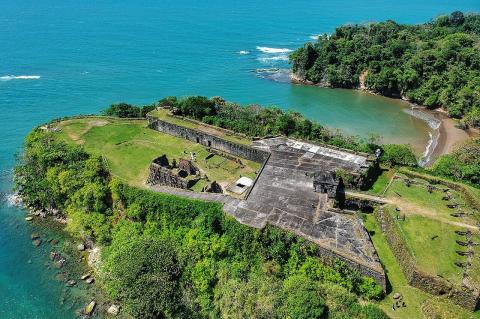
Panamá Viejo, founded in 1519, is a testament to Panama's rich colonial history. It is the oldest continuously occupied European settlement on the Pacific coast of the Americas. Panamá Viejo retains its historical significance as the foundation of modern Panama City despite enduring natural disasters, pirate attacks, and relocation. It forms a UNESCO World Heritage Site with the Historic District of Panama, Casco Antiguo.

San Blas Islands: Panama's Caribbean Jewel

Nestled in the Caribbean Sea along Panama's northeastern coast, the San Blas Islands, known as the Guna Yala Archipelago, are characterized by their unspoiled natural beauty and vibrant indigenous culture. This chain of approximately 365 islands, many of which are uninhabited or sparsely populated, offers a stunning landscape of turquoise waters, white sandy beaches, and lush tropical vegetation. The archipelago is a living testament to the Guna people's resilience and commitment to preserving their environment.

The Azuero Peninsula: Panama's Cultural Heartland and Ecological Haven

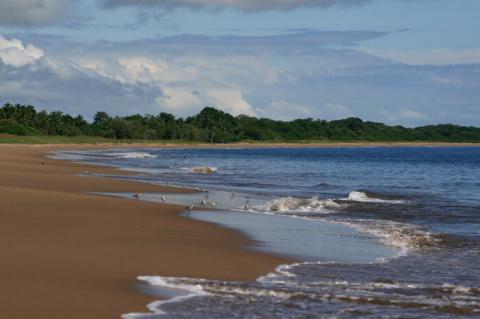
The Azuero Peninsula, jutting into the Pacific Ocean from southern Panama, is a region rich in cultural history and ecological diversity. Known as the "heartland" of Panamanian culture, it is where tradition, agriculture, and natural beauty converge. Despite its relatively small size, the peninsula is a mosaic of contrasting landscapes, ranging from dry forests and mangrove swamps to cultivated fields and small bustling towns. The region's unique blend of cultural heritage, agricultural history, and environmental significance makes it a captivating area.

The Central America Volcanic Arc: Where Ocean Floor Becomes Mountains

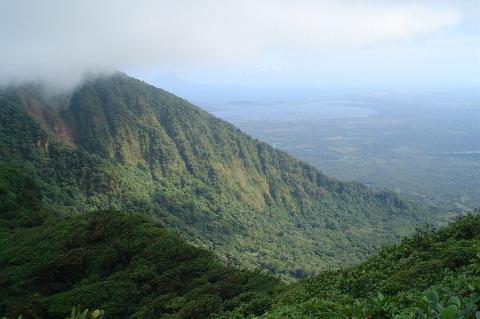
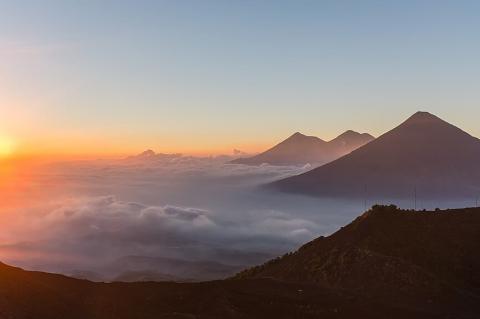
Stretching from Guatemala's volcanic highlands to Panama's Cordillera de Talamanca, the Central America Volcanic Arc represents one of the world's most active and scientifically significant volcanic chains. This geological marvel, also known as the Central Volcanic Range, encompasses more than 70 Holocene volcanoes that have fundamentally shaped the landscape, climate, and human history of Central America. The arc's formation results from the relentless subduction of oceanic crust that transforms seafloor sediments into towering volcanic peaks.

The Eastern Tropical Pacific Marine Corridor: Safeguarding the Seas

The Eastern Tropical Pacific Marine Corridor is a vital marine conservation initiative encompassing several key marine protected areas across the eastern Pacific Ocean. Spanning the waters of Costa Rica, Panama, Colombia, and Ecuador, this corridor aims to preserve one of the planet's richest and most diverse marine ecosystems. The corridor serves as a blueprint for international cooperation in marine conservation.

The Isthmus of Panama: Where Continents Collide and Biodiversity Flourishes

The Isthmus of Panama, historically known as the Isthmus of Darien, stands as one of Earth's most geologically significant landforms—a narrow bridge connecting North and South America while separating the Atlantic and Pacific Oceans. This slender strip of territory represents far more than a geographic curiosity. Its formation ranks among the most consequential geological events of the past 60 million years, fundamentally reshaping global climate patterns, ocean circulation, and the distribution of life across two continents.

The Pan-American Highway: Linking North, Central, and South America

Stretching from the frozen tundras of Alaska to the windswept landscapes of Tierra del Fuego, the Pan-American Highway is a testament to human ingenuity and the indomitable spirit of connectivity. This vast network of roads is one of the most extensive and ambitious transportation systems ever conceived, serving as a vital artery for trade, tourism, and cultural exchange across the Americas. Despite the monumental achievements of the highway, a formidable obstacle remains – the Darién Gap.