Protected Areas in Chile

Laguna San Rafael: A Glacial Wonderland in Patagonia

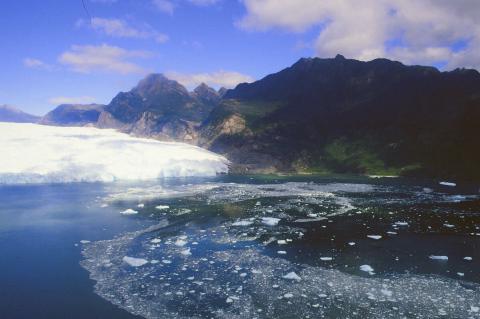
Laguna San Rafael National Park and Biosphere Reserve, situated on the Pacific coast of southern Chile, is a haven of natural beauty and ecological diversity. Encompassing the vast Northern Patagonian Ice Field, this protected area is one of the crown jewels of the Aysén Region, Chile's most sparsely populated area. Its mission is to protect native flora and fauna from extinction while serving as a focal point for scientific research and a popular destination for tourists seeking the rugged beauty of Patagonia.

Las Palmas de Cocalán National Park: Guardian of Chile's Ancient Palms

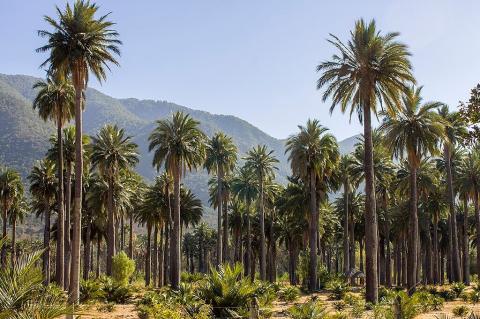
Las Palmas de Cocalán National Park protects one of the world's rarest palm forests. The sanctuary preserves ancient groves of the Chilean palm, one of South America's most endangered endemic trees and the only palm species native to Chile. Located within the Coastal Mountain Range, the park shelters a remarkable concentration of millenary palms. These living giants represent irreplaceable genetic resources and serve as monuments to Chile's prehistoric past, making the park one of only three locations in Chile that protect significant populations of this critically threatened species.

Lauca National Park and Biosphere Reserve: A Symphony of Nature

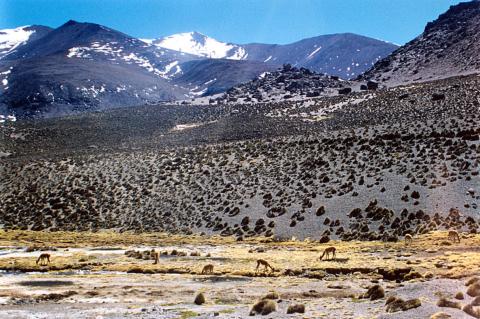
Nestled in the northernmost reaches of the Chilean Andes, Lauca National Park and the Lauca Biosphere Reserve present a breathtaking tableau of natural splendor and ecological diversity. These protected areas within the Central Andean dry puna ecoregion showcase the region's unique geological formations, rich biodiversity, and vibrant cultural heritage. The grandeur of the park and the surrounding reserve highlights their significance and the intricate web of life they sustain.

Llanos de Challe National Park: A Coastal Desert Ecosystem in Northern Chile

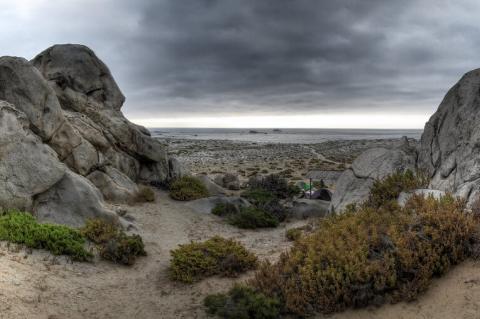
Llanos de Challe National Park, situated along the coast of northern Chile's Atacama Region, is a captivating natural area known for its unique coastal desert ecosystem. The park is characterized by its diverse flora and fauna and striking landscapes shaped by its fog-fed ecosystem. Exploring the park's geographical features, biological diversity, and ecological significance offers a deeper understanding of its role in preserving the natural heritage of the Atacama Desert.

Llullaillaco Volcano and National Park: Chile's High-Altitude Archaeological Sanctuary

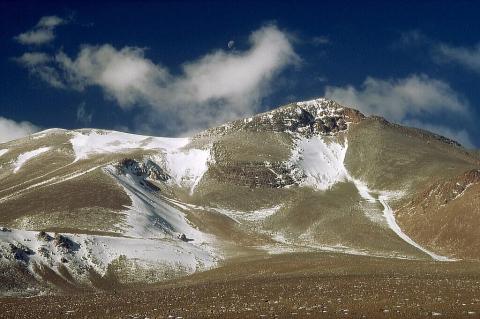
Rising from the remote stretches where Chile meets Argentina, Llullaillaco volcano stands as one of South America's most remarkable monuments to both natural forces and human achievement. This massive stratovolcano holds the distinction of being the world's second-highest active volcano and, remarkably, the site of the world's highest archaeological discovery. Llullaillaco National Park, which spans the eastern slopes, was established to protect this unique ecosystem and its invaluable cultural heritage.

Los Flamencos National Reserve: An Otherworldly Oasis in the Atacama Desert

Deep within the arid expanse of northern Chile's Atacama Desert lies a captivating and diverse natural oasis that seems plucked from another world entirely. Los Flamencos National Reserve is a protected wonderland encompassing a kaleidoscope of landscapes and ecosystems that defy the harsh conditions of the surrounding desert. From shimmering salt flats and vibrant lagoons to ancient lava fields, towering volcanoes, and lush vegetation, this reserve is a true marvel, offering an unparalleled glimpse into life's incredible resilience and adaptability in even the most extreme environments.

Melimoyu National Park: The Untouched Wilderness of Chile

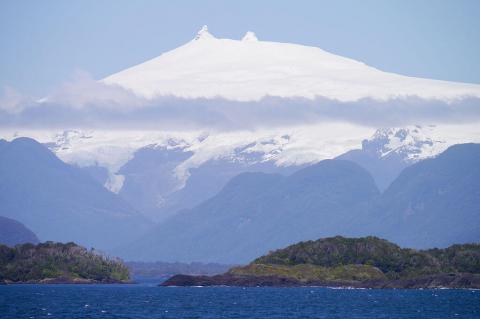
Melimoyu National Park, located in the Aysén Region in southern Chile, is a pristine wilderness offering a unique blend of natural beauty and biodiversity. Dominated by the imposing Melimoyu Volcano, this park is a sanctuary of lush forests, glaciers, fjords, and diverse wildlife. Although it remains largely inaccessible to the public, the park's untouched landscapes and ecological significance make it a notable area for conservation and study.

Nevado Tres Cruces National Park: A High-Altitude Oasis in the Atacama Desert

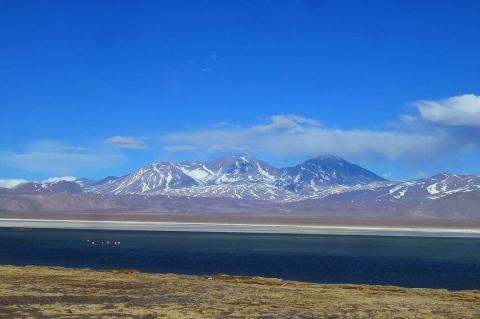
In the heart of the Andes Mountains in northern Chile's Atacama Region, Nevado Tres Cruces National Park is a breathtaking expanse of natural beauty and ecological significance. This park, characterized by its striking landscapes, is renowned for its high-altitude lakes, salt flats, and the imposing peaks of the Nevado Tres Cruces massif. The park is a sanctuary for diverse flora and fauna, and it plays a crucial role in conserving unique Andean ecosystems.

Pali-Aike National Park: A Volcanic Wonderland in Chilean Patagonia

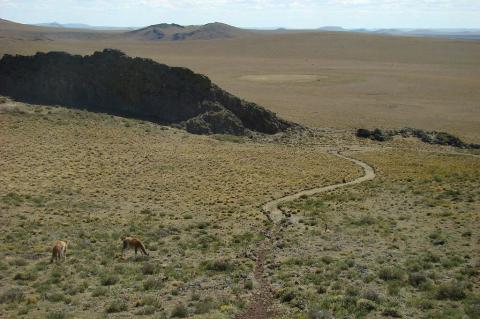
Located in the southern part of Chile, Pali-Aike National Park showcases the country's diverse geology and ancient history. This large park in the Magallanes Region is famous for its distinctive volcanic landscapes, ancient caves, and archaeological findings. From open plains to stunning crater lakes, the park's geological features, cultural importance, and conservation initiatives highlight Pali-Aike National Park as a remarkable part of Chile.

Pan de Azúcar National Park: Chile's Coastal Desert Wilderness

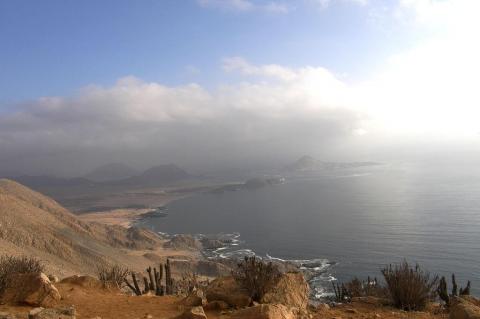
Pan de Azúcar National Park, located along Chile's northern coast, is a breathtaking expanse of coastal desert that offers a unique combination of marine, terrestrial, and desert ecosystems. As one of the most ecologically diverse areas along Chile's northern coast, the park serves as a critical refuge for a variety of species, including the Humboldt penguin, guanaco, and marine mammals. Its stunning geological features and role in preserving delicate ecosystems make it a key destination for nature enthusiasts and conservationists.