Protected Areas in Chile

Easter Island: Unveiling the Mysteries of Rapa Nui

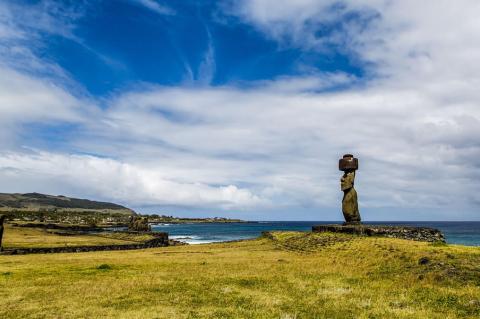
Easter Island, known locally as Rapa Nui, is remote and enigmatic in the southeastern Pacific Ocean. This Chilean territory, famous for its colossal stone statues called moai, offers a fascinating glimpse into Polynesian culture and human ingenuity. The island's rich archaeological heritage and unique ecosystem make it a site of immense cultural and scientific importance, recognized globally through its designation as a UNESCO World Heritage Site.

Exploring Vicente Pérez Rosales: Chile's Oldest National Park

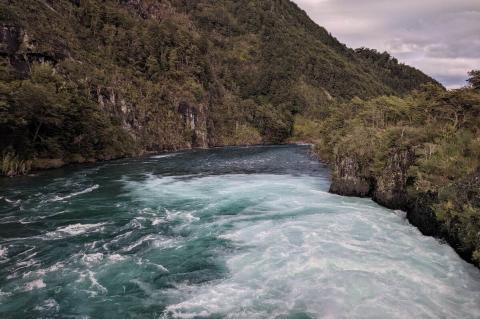
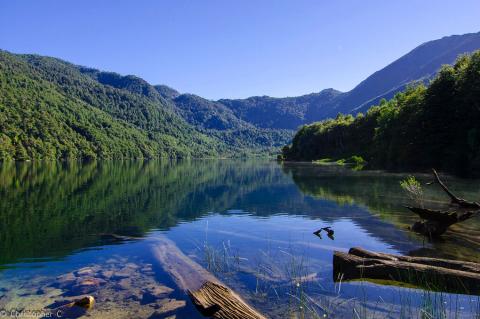
Vicente Pérez Rosales National Park, Chile's first, is named in honor of Vicente Pérez Rosales, a revered Chilean politician and diplomat. It encompasses an expansive area within the Lakes Region of the Chilean Andes and is renowned for its breathtaking and diverse landscapes. It hosts the iconic Lake Todos Los Santos and the Petrohué Waterfalls, surrounded by Valdivian temperate rainforests, a sanctuary for numerous plant and animal species.

Fray Jorge Biosphere Reserve: Embracing Biodiversity

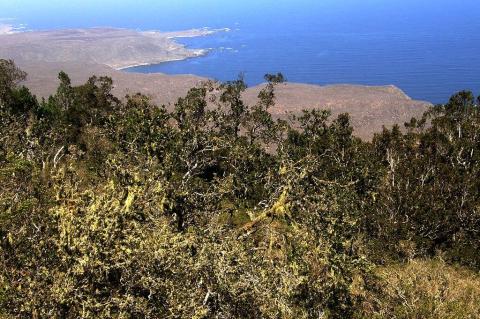
The Fray Jorge Biosphere Reserve, a captivating blend of diverse ecosystems and natural wonders, is located in the Coquimbo Region, Limari Province, north of Santiago, Chile. With Bosque de Fray Jorge National Park serving as its core area, this reserve is a testament to Chile's rich biodiversity and commitment to conservation. From misty forests to sun-drenched coastal plains, the Fray Jorge Biosphere Reserve offers a glimpse into Chile's remarkable natural heritage and the delicate balance of life.

Guamblin Island: Conservation and Biodiversity in Chile's Hidden Paradise

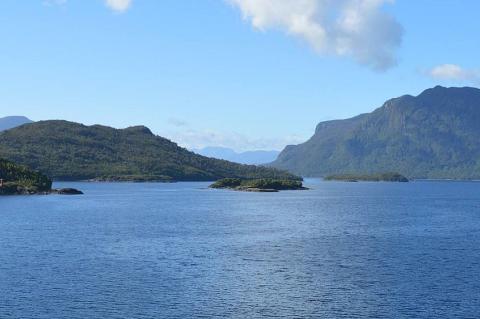
Nestled in the remote southern reaches of Chile, Guamblin Island National Park is a sanctuary of pristine natural beauty and ecological significance. Covering the entirety of Guamblin Island, this national park is a haven for diverse flora and fauna, some of which are found nowhere else on Earth. This exploration delves into the geographical features, biodiversity, climatic conditions, and conservation efforts that make Guamblin Island a unique and vital part of Chile's natural heritage.

Guardians of the Andes: Exploring Villarrica National Park

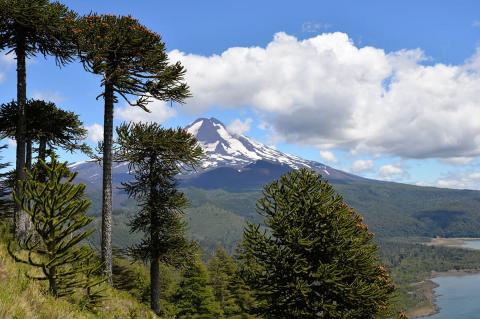
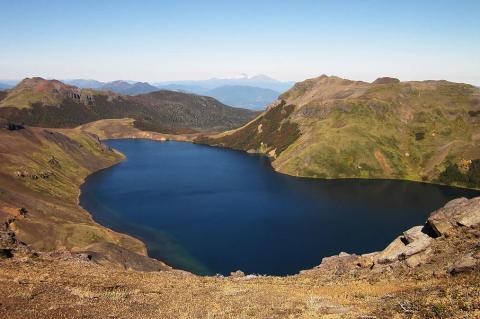
Villarrica National Park, nestled in the Chilean Andes, straddles the regions of La Araucanía and Los Ríos in southern Chile. Renowned for its majestic volcanoes, lush temperate rainforests, and scenic lakes, the park is a haven for diverse flora and fauna. Volcanic activity and abundant rainfall shape its dramatic landscapes. The park's protection of unique ecosystems has also earned it a place within the Bosques Templados Lluviosos de los Andes Australes Biosphere Reserve.

Huerquehue National Park: A Verdant Oasis in Chile's Andean Foothills

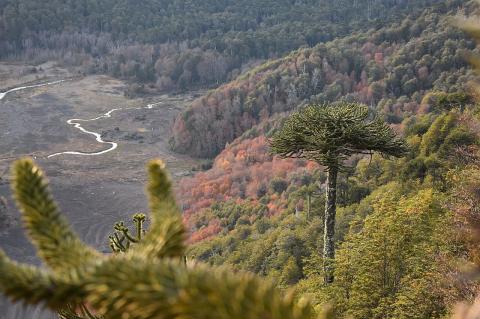
Nestled in the lush, mountainous terrain of Chile's La Araucanía region, Huerquehue National Park stands as a verdant oasis. Ancient Araucaria forests, crystal-clear lakes, and rushing streams converge in a breathtaking display of nature's majesty. This protected area beckons adventurers and nature enthusiasts to immerse themselves in its pristine landscapes and discover its rich tapestry of biodiversity.

Isla Magdalena National Park: A Patagonian Treasure

Isla Magdalena National Park, located in Chile's Aysén Region, is a pristine wilderness showcasing southern Patagonia's rugged beauty and biodiversity. The park encompasses approximately 80% of Magdalena Island, one of the largest islands south of Chiloé, making it a significant protected area within the region. Dominated by the extinct Montalat volcano, the island's varied landscapes, rich ecosystems, and cultural history make it an essential destination for nature enthusiasts and conservationists.

Juan Fernández Archipelago: Nature and Legend in the South Pacific

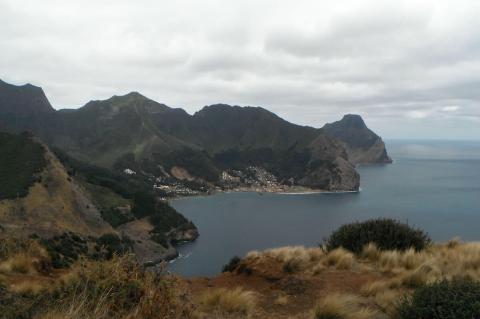
The Juan Fernández Archipelago, situated in the South Pacific Ocean, is a remote chain of volcanic islands belonging to Chile. The archipelago has long intrigued explorers, writers, and biologists alike. Known for its ties to the marooned sailor Alexander Selkirk—whose survival inspired Daniel Defoe's Robinson Crusoe—the archipelago is a cultural landmark and a unique ecological hotspot. With dramatic landscapes, endemic species, and a colorful history of pirates and explorers, the Juan Fernández Islands offer a rare glimpse into the natural and human story of isolation.

Kawésqar National Park: A Majestic Wilderness in Chilean Patagonia

Kawésqar National Park, formerly known as the Alacalufes National Reserve, is a vast and stunning natural sanctuary located in the provinces of Magallanes, Última Esperanza, and Isla Riesco within the Magallanes and Chilean Antarctica Region of southern Chile. Nestled in the heart of Chilean Patagonia, this expansive park, part of Chile's Route of Parks, offers a glimpse into the region's wild beauty, showcasing diverse landscapes, ecosystems, and wildlife.

La Campana-Peñuelas: Balancing Biodiversity and Urban Pressures in Central Chile

Nestled in the heart of Chile's Valparaíso Region, the La Campana-Peñuelas Biosphere Reserve epitomizes the country's dedication to safeguarding its natural heritage. Designated as a UNESCO Biosphere Reserve, it encompasses the La Campana National Park and the Lago Peñuelas National Reserve. Together, they form a mosaic of landscapes, biodiversity, and cultural history, offering an exceptional model of conservation and sustainability.