Protected Areas in Peru

Manú National Park: Peru’s Great Reserve of Rainforest and Cloud Forest

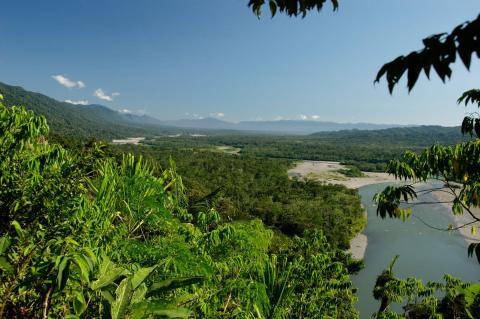
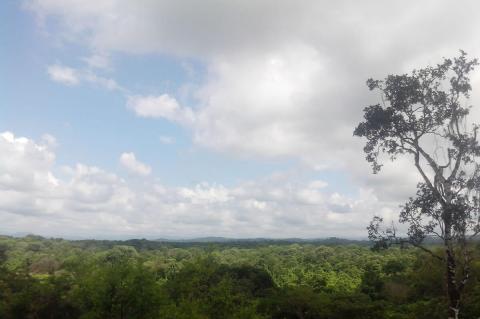
Created in 1973 and covering 1,716,295 hectares (17,163 km²), Manú National Park spans Cusco and Madre de Dios, protecting an entire Amazonian watershed from Andean grassland to floodplain forest. It is a UNESCO Biosphere Reserve and World Heritage Site known for jaguars, giant otters, and exceptional bird diversity, and it is home to Indigenous peoples, some living in voluntary isolation. Its Cocha Cashu research station has drawn scientists since 1969, and roads, gas, mining, and logging press on its edges.

Paracas National Reserve: A Coastal Desert Haven in Peru

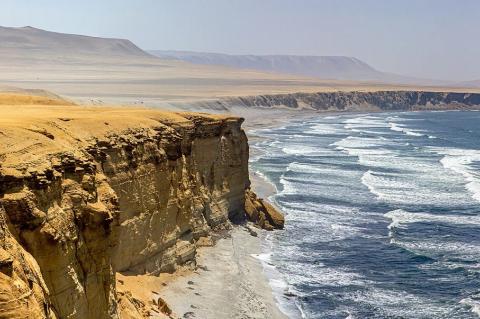
Paracas National Reserve is a unique protected area located in the Ica region of Peru, spanning coastal desert and marine ecosystems, making it a critical conservation area in South America. The reserve encompasses the Paracas Peninsula, Independence Bay, and surrounding desert regions, offering a rich mosaic of landscapes supporting diverse wildlife. In addition to its natural beauty, Paracas is steeped in archaeological history, with remnants of the ancient Paracas culture visible in the region. The combination of ecological significance and cultural heritage makes the Paracas National Reserve an exceptional destination.

Río Abiseo National Park: A Peruvian Wonder of Nature and Culture

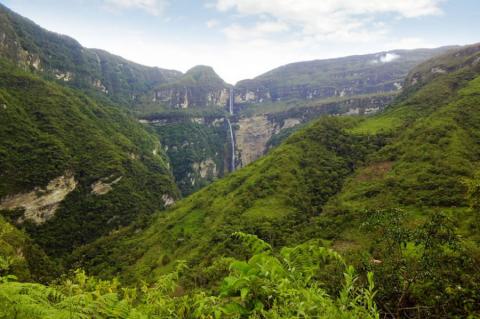
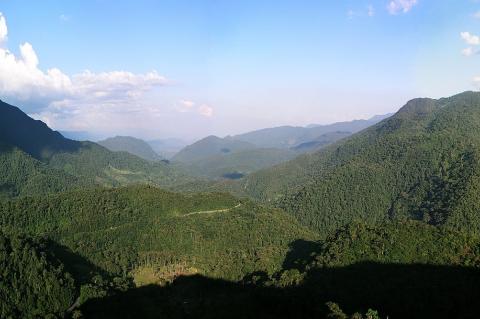
Nestled in the San Martín department of Peru, on the eastern slope of the tropical Peruvian Andes, lies Río Abiseo National Park, a World Heritage Site that seamlessly blends natural and cultural wonders. This unique protected area not only harbors a rich tapestry of biodiversity but also serves as a testament to the ancient civilizations that once thrived within its boundaries.

Serra del Divisor National Park: A Stronghold of Amazonian Biodiversity

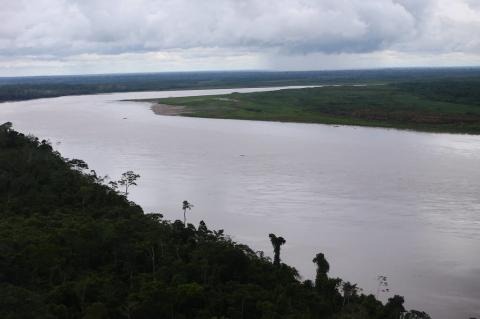
Serra del Divisor National Park, a remarkable natural reserve in the Amazon rainforest of Peru, represents one of the most significant conservation areas in the world. This vast park, located along the Peru-Brazil border, connects it with the Serra do Divisor National Park in Brazil, forming one of the largest contiguous protected areas in the Amazon basin. This region, known for its unique geological formations, rich biodiversity, and cultural significance, is crucial in global conservation efforts.

Tambopata National Reserve: Peru's Rainforest Refuge on the Bolivian Frontier

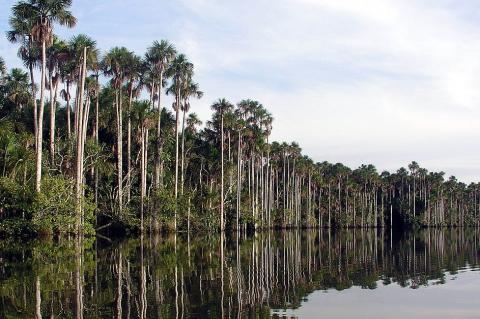
Created on September 4, 2000, Tambopata National Reserve covers 274,690 hectares of lowland rainforest, oxbow lakes, and palm swamps along the Tambopata River in southeastern Peru, next to Bahuaja-Sonene National Park. It is known for macaw clay licks, giant otters, jaguars, and about 1,200 butterfly species, and Ese Eja communities run lodges on its edges. Illegal gold mining, which Operation Mercury had driven back in 2019, cleared more than 500 hectares inside the reserve in 2025 and early 2026.

The Alto Mayo Protection Forest: A Verdant Realm Safeguarding Peru's Biodiversity

Nestled in the northern reaches of Peru, the Alto Mayo Protection Forest stands as a verdant sanctuary, spanning an impressive expanse within the San Martín region. This protected forestland serves as a vital bulwark, safeguarding a portion of the Peruvian Yungas ecoregion and the upper Mayo River basin, shielding soil and water from the erosive impact of deforestation.

The Bosques de Paz: A Transboundary Oasis of Biodiversity

The Bosques de Paz Transboundary Biosphere Reserve straddles the border of Ecuador and Peru. It is a natural treasure and showcases the collaborative efforts of these two nations to protect a globally significant ecosystem. The reserve spans four regions in the two countries. It was designated a UNESCO Biosphere Reserve in 2018, following the countries' commitment to strengthening their ties and cooperation after a long-standing border dispute that ended in 1998.

The Guano Reserve System: Balancing Nature and History Along Peru's Coast

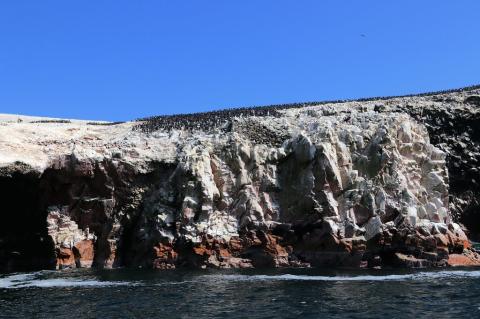
The Guano Islands, Islets, and Capes National Reserve System is one of Peru's most critical protected areas, safeguarding a network of coastal habitats rich in biodiversity and natural resources. The reserve spans the length of the Peruvian coastline, comprising islands, islets, and a collection of coastal promontories. With a primary focus on conserving marine ecosystems and the historic guano-producing islands, the reserve system is a vital refuge for numerous species of birds, marine mammals, and marine life, many of which rely on the nutrient-rich waters of the Humboldt Current.

The Living Landscape of Oxapampa-Ashaninka-Yanesha

The Oxapampa-Ashaninka-Yanesha Biosphere Reserve, located in central Peru, encompasses one of the most pristine ecosystems on the eastern slopes of the Peruvian Andes, extending into the Amazon Basin. Recognized for its unique biodiversity and cultural heritage, the reserve was designated a Biosphere Reserve in 2010. This region, characterized by its high altitudinal range and diverse habitats, is crucial for conservation and sustainable development efforts.