El Salvador

San Salvador: The Resilient Heart of El Salvador

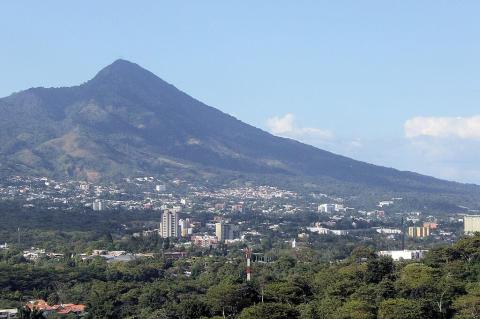
San Salvador, El Salvador's capital, is a city defined by its resilience and dynamism. As the country's political, cultural, and economic hub, San Salvador plays a critical role in the heart of Central America. Nestled in the Valley of the Hammocks and surrounded by volcanic peaks, this city has seen centuries of growth, turmoil, and renewal. Today, San Salvador is a bustling metropolis that reflects the nation's rich cultural heritage and aspirations for the future.

Santa Ana: El Salvador’s City of Heritage, Art, and Nature

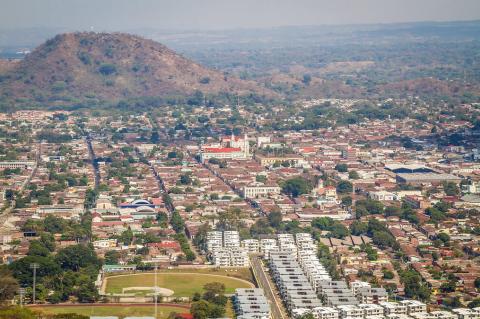
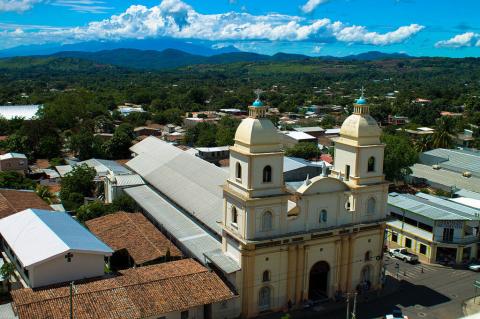
Nestled in the lush highlands of western El Salvador, Santa Ana is a vibrant city known for its rich cultural heritage, architectural splendor, and proximity to some of the country's most breathtaking natural landscapes. As El Salvador's second-largest city, Santa Ana has long been a center of agriculture, industry, and cultural exchange. It is historically known for its coffee exports and role in shaping the nation's economy.

Suchitoto: The Cultural Heart of El Salvador

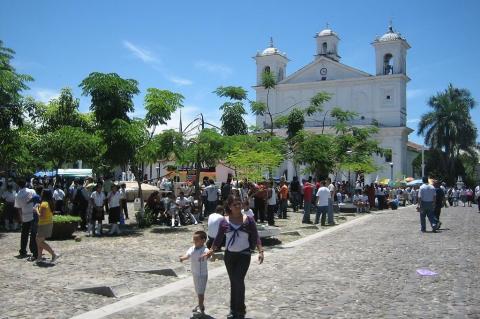
Nestled in the hills of central El Salvador, Suchitoto is a town rich in historical significance, artistic energy, and natural beauty. Famous for its well-preserved colonial buildings, vibrant cultural atmosphere, and stunning views of Lake Suchitlán, Suchitoto is a bridge to the past and a lively hub for modern artistic and ecological initiatives. Beyond its scenic streets, the town embodies a narrative of resilience, change, and preservation, securing its status as one of El Salvador's most treasured cultural and historical sites.

The Central America Volcanic Arc: Where Ocean Floor Becomes Mountains

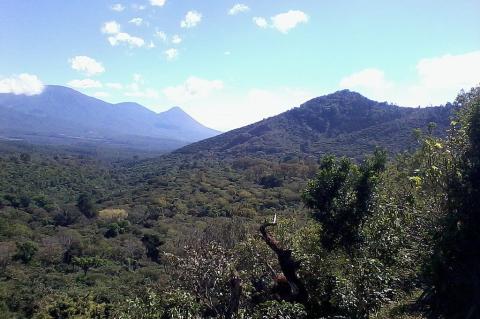
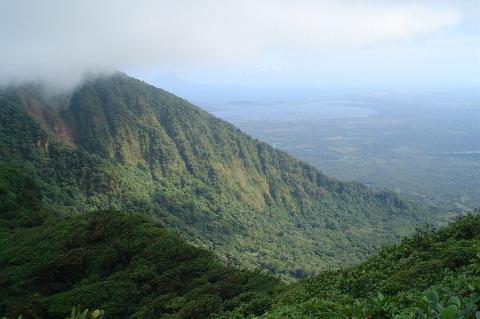
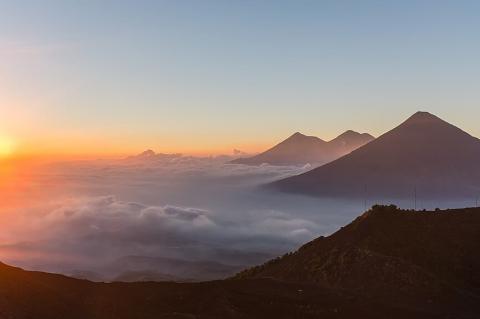
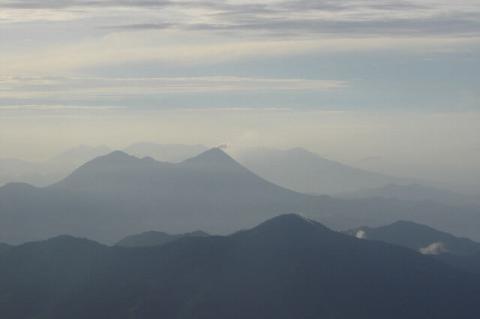
Stretching from Guatemala's volcanic highlands to Panama's Cordillera de Talamanca, the Central America Volcanic Arc represents one of the world's most active and scientifically significant volcanic chains. This geological marvel, also known as the Central Volcanic Range, encompasses more than 70 Holocene volcanoes that have fundamentally shaped the landscape, climate, and human history of Central America. The arc's formation results from the relentless subduction of oceanic crust that transforms seafloor sediments into towering volcanic peaks.

The Lempa River: Central America's Lifeline of Nature and Culture

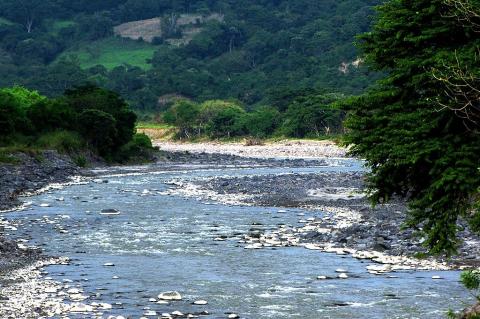
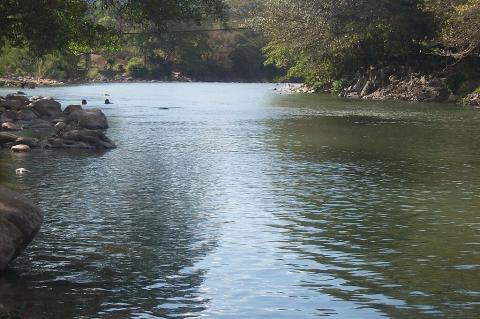
Flowing through the heart of Central America, the Lempa River is a vital artery that sustains the landscapes, economies, and communities of three nations: Guatemala, Honduras, and El Salvador. As the longest river in El Salvador, it holds immense significance in the region, shaping its environment, history, and cultural identity. The river's diverse ecosystems, historical importance, and economic contributions make it a subject of considerable interest and a focal point for conservation efforts.

The Maya Civilization: Architects of an Enduring Legacy

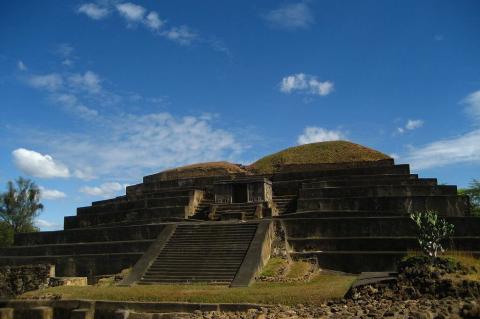
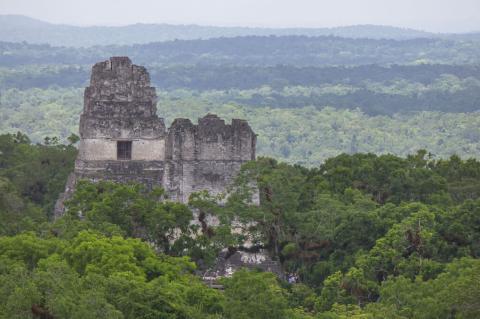
The Maya civilization, one of the most advanced and influential cultures of the ancient Americas, flourished in Mesoamerica for more than 2,000 years. Emerging around 2000 BCE and reaching its height between 250 and 900 CE, the Maya built vast city-states, developed one of the most sophisticated writing systems of the pre-Columbian world, and made remarkable advancements in mathematics, astronomy, and architecture.

The Pan-American Highway: Linking North, Central, and South America

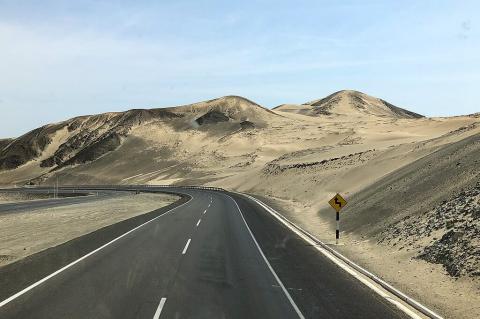
Stretching from the frozen tundras of Alaska to the windswept landscapes of Tierra del Fuego, the Pan-American Highway is a testament to human ingenuity and the indomitable spirit of connectivity. This vast network of roads is one of the most extensive and ambitious transportation systems ever conceived, serving as a vital artery for trade, tourism, and cultural exchange across the Americas. Despite the monumental achievements of the highway, a formidable obstacle remains – the Darién Gap.

The Sierra Madre de Chiapas: A Vital Natural Divide

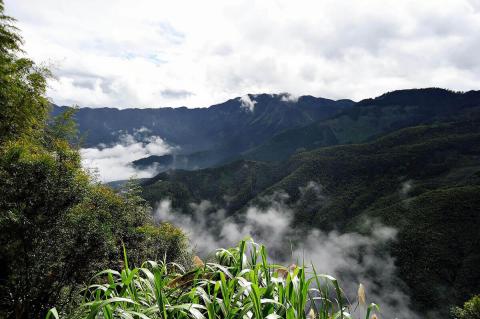
The Sierra Madre de Chiapas is an impressive mountain range that extends parallel to the Pacific coast in southern Mexico and northern Central America. As the southernmost extension of the Sierra Madre Mountain System, this range is a significant geographical and ecological landmark. Spanning multiple countries, the Sierra Madre de Chiapas is known for its diverse ecosystems, volcanic activity, and role in the region's hydrology.

Trifinio Fraternidad Biosphere Reserve: A Tri-National Sanctuary

The Trifinio Fraternidad Biosphere Reserve is a remarkable transboundary conservation area that spans the borders of Honduras, El Salvador, and Guatemala. This biosphere reserve represents a significant collaborative effort to preserve the unique biodiversity and cultural heritage of the Central American region where these countries converge. The reserve, encompassing a diverse range of ecosystems, is crucial for biodiversity conservation, sustainable development, and fostering regional cooperation.