World Heritage Sites in the Caribbean

Old Havana: A Living Museum of Colonial Cuba

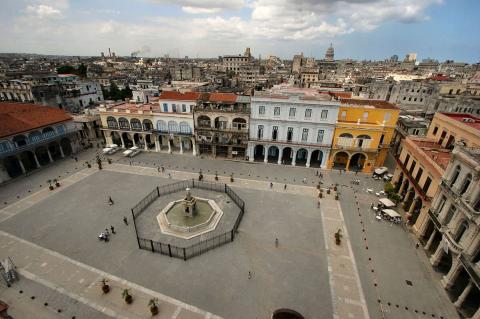
Old Havana, known as Habana Vieja, is the historic heart and one of the boroughs of Havana, Cuba. Founded in 1519, it stands as a testament to the rich colonial history of the Americas, encapsulating five centuries of architectural evolution. The original city walls, now forming the modern boundaries of Old Havana, contain a remarkable blend of Baroque, neoclassical, and Art Nouveau styles. This vibrant area, with its cobblestone streets and narrow alleyways, offers an immersive glimpse into Cuba's past.

Preserving Haiti's Rich Heritage: The National History Park - Citadel, Sans-Souci, Ramiers

Nestled amidst the rugged peaks of the Massif du Nord in Haiti lies a testament to the island's tumultuous past and enduring spirit: the National History Park - Citadel, Sans-Souci, Ramiers. This UNESCO World Heritage Site is a poignant reminder of Haiti's rich cultural heritage and storied journey to independence. Set against the backdrop of lush tropical forests and majestic mountains, the park is a living testament to the resilience and determination of the Haitian people, who have overcome centuries of colonial oppression and adversity.

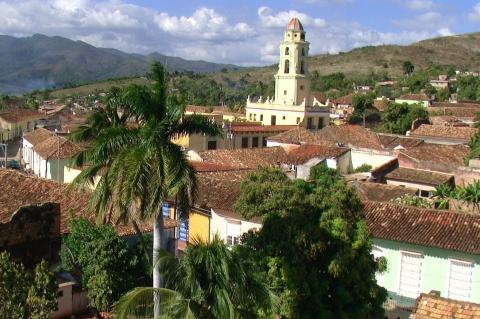
Preserving the Past: The Historic Legacy of Trinidad and the Valle de los Ingenios

Trinidad, a city steeped in history and charm, is located in the province of Sancti Spíritus in central Cuba. Trinidad flourished during the late 18th and 19th centuries as a hub of the sugar industry. The nearby Valle de los Ingenios played a crucial role in this prosperity, with its numerous sugar mills driving the region's economic growth. Today, Trinidad and the Valle de los Ingenios form a UNESCO site, preserving the architectural splendor and industrial heritage of a bygone era.

The Archaeological Ensemble of 17th Century Port Royal: Jamaica's Sunken Colonial Capital

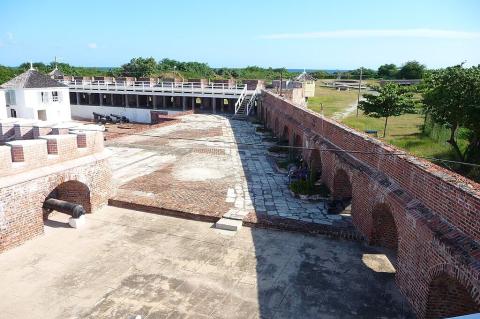
At Kingston Harbour in southeastern Jamaica lies the remains of Port Royal, once the most important English port in the Caribbean and the fourth largest city in the Americas. This colonial city, thriving in the late 17th century as a trade, naval, and piracy hub, was devastated in 1692 when an earthquake submerged two-thirds of its territory. The site, inscribed by UNESCO, offers rare insights into colonial urban life, maritime trade, and social dynamics, embodying a global archaeological treasure and a reminder of the power of natural disasters to reshape civilization.

The Blue and John Crow Mountains: A Natural and Cultural Jewel of Jamaica

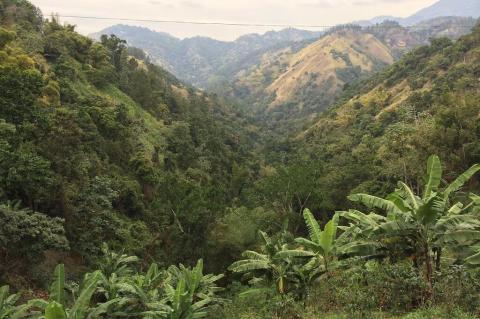
Jamaica's Blue and John Crow Mountains encompass a rich cultural and natural heritage mosaic. They served as a refuge for indigenous peoples and, later, the Maroons. This UNESCO World Heritage Site and National Park boasts exceptional biodiversity, with unique plant and animal species in its montane rainforests. Conservation efforts protect this ecologically significant area, preserving its beauty and cultural legacy for future generations.

The Historic San Pedro de la Roca Castle: Guardian of Santiago de Cuba

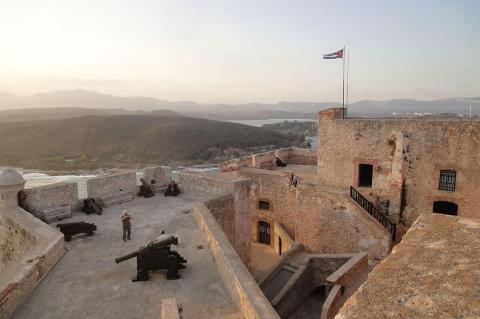
San Pedro de la Roca Castle, also known as Castillo del Morro, is a monumental stone fortress on a rocky promontory overlooking the entrance to Santiago de Cuba Bay on the southernmost coast of Cuba. This fortress, constructed over six decades beginning in 1638, is a remarkable example of Spanish-American military architecture. It embodies the principles of Renaissance military engineering adapted to the Caribbean's unique geographical and strategic demands.

Unveiling the Charms of Santo Domingo: A Journey Through Time and Transformation

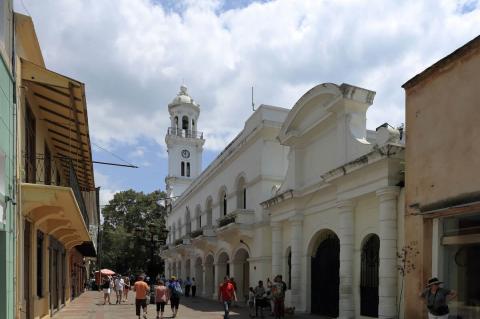
Nestled on the sun-drenched shores of the Caribbean, Santo Domingo, the capital of the Dominican Republic, is a captivating blend of history and modernity. This vibrant metropolis invites one to journey through time, where echoes of the past blend seamlessly with contemporary rhythms. From the cobblestone streets of the Colonial City to the bustling commercial districts, Santo Domingo tells a spellbinding narrative of the enduring spirit of a nation embracing its roots while reaching for the future.

Viñales Valley: A Mosaic of Nature and Tradition in Cuba

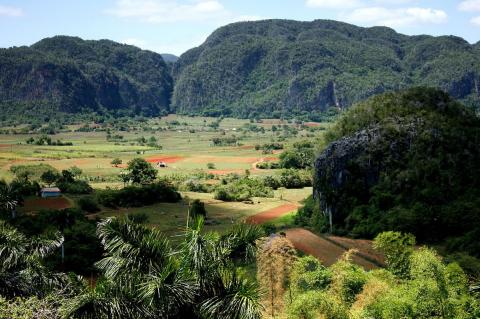
Viñales Valley, nestled in the Sierra de los Organos mountains near the western end of Cuba, offers a breathtaking panorama of karst topography with striking limestone outcrops called mogotes. This picturesque valley is a testament to natural beauty and cultural heritage, earning its designation as a UNESCO World Heritage Site. The harmonious blend of nature and tradition makes Viñales Valley a must-see destination for travelers and a beloved symbol for Cubans.

Volcanic Sentinels of Saint Lucia: The Pitons and Soufrière Complex

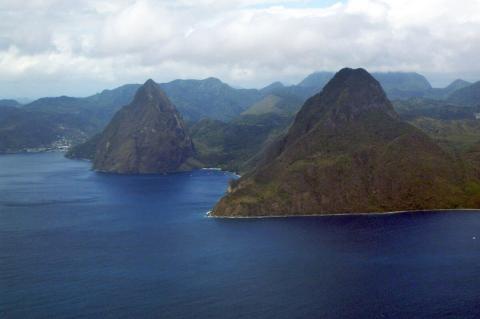
Beyond the idyllic beaches and lush landscapes that draw visitors to Saint Lucia, this Eastern Caribbean gem harbors geological wonders that ignite the imagination. The Pitons, two volcanic spires thrust skyward from the sea, stand as the island's most iconic landmark. Gros Piton and Petit Piton, along with the surrounding Soufrière Volcanic Center, form a landscape that is not only breathtakingly beautiful but also holds immense geological significance.

Willemstad: Where Dutch Heritage Meets Caribbean Charm

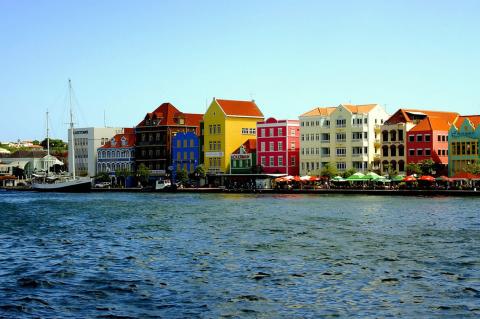
Nestled on the southern coast of Curaçao, an island in the southern Caribbean Sea, lies the captivating city of Willemstad. As the capital and largest urban center of this Dutch Caribbean island, Willemstad is a testament to centuries of colonial history, cultural fusion, and architectural innovation. With its colorful facades, rich maritime heritage, and unique European and Caribbean influences, Willemstad offers a glimpse into a world where the past and present seamlessly intertwine.