Archaeological Site

Ciudad Perdida: The Ancient Tairona Town

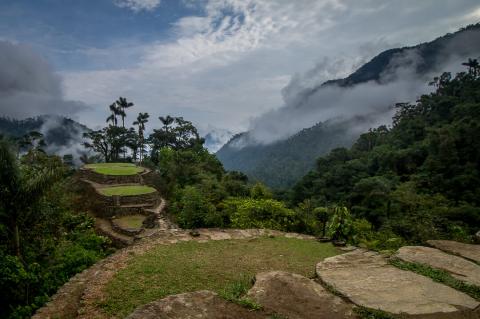
High in the mist-shrouded peaks of Colombia's Sierra Nevada de Santa Marta lies Ciudad Perdida, also known as "Teyuna" or "Buritaca." This ancient archaeological marvel, hidden deep within the dense jungle, predates the more famous Machu Picchu by over six centuries, with its origins believed to date back to around 800 CE. Shrouded in mystery for generations, Ciudad Perdida was once the thriving seat of the Tairona civilization, a sophisticated society that flourished long before European contact.

Copán: The Crown Jewel of the Maya Civilization

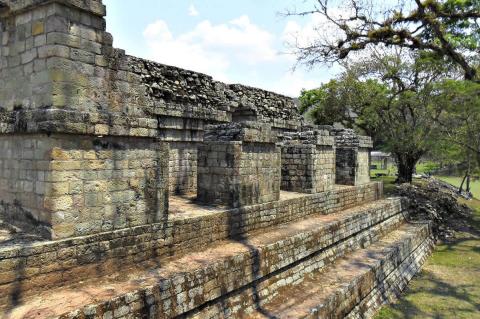
The Maya Site of Copán, nestled in the western region of Honduras near the border with Guatemala, stands as one of the most significant remnants of the ancient Mayan civilization. This remarkable archaeological site reflects the grandeur of the Mayan cultural and political achievements and offers invaluable insights into the sophisticated society that once thrived in Mesoamerica. With its intricate sculptures, impressive architectural feats, and rich historical significance, Copán has earned its place as a critical site in studying ancient civilizations.

El Fuerte de Samaipata: Bolivia's Cultural Crossroads

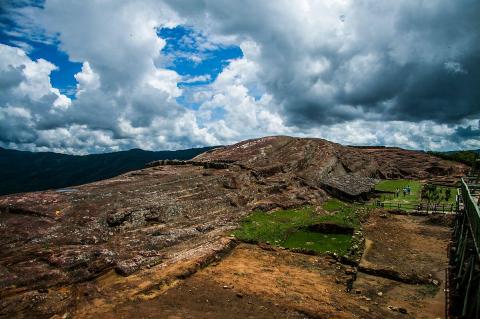
El Fuerte de Samaipata, located in the Bolivian Province of Florida in the Department of Santa Cruz, is a remarkable pre-Columbian archaeological and UNESCO World Heritage Site. Nestled in the eastern foothills of the Bolivian Andes, this site uniquely encapsulates the cultural imprints of the Chanè, Inca, and Spanish civilizations. Its historical significance and architectural marvels make it a fascinating destination for archaeologists, historians, and tourists.

El Tajín: The Hidden Jewel of Pre-Hispanic Mesoamerica

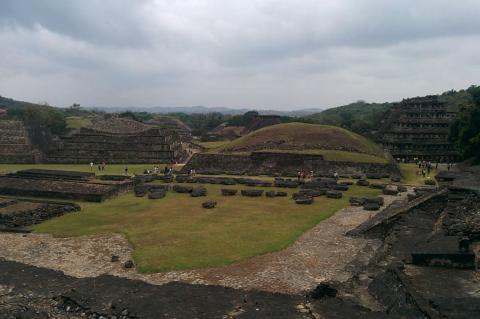
Nestled in the lush tropical landscape of Veracruz, Mexico, the ancient city of El Tajín stands as one of the most significant archaeological sites from pre-Hispanic Mesoamerica. Renowned for its elaborate architecture, astronomical alignment, and cultural influence, El Tajín reached its zenith between the 9th and 13th centuries, becoming a prominent center in the region following the decline of Teotihuacan. Designated a World Heritage Site, El Tajín is a testament to the sophistication and grandeur of ancient Mesoamerican civilizations.

Exploring Chankillo: The Oldest Solar Observatory in the Americas

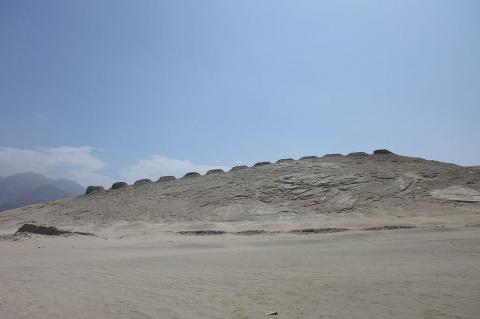
Nestled below the western slopes of the Andes in Peru's coastal desert, the Chankillo Archaeological Site offers a glimpse into the advanced astronomical knowledge and cultural practices of the ancient Casma/Sechin civilization. Located in the Ancash region, Chankillo is renowned for its architectural and astronomical significance. Designated as a UNESCO World Heritage Site, the Chankillo Archaeoastronomical Complex is a testament to pre-Columbian societies' ingenuity in tracking celestial events.

Huaca Pucllana: Exploring Lima's Ancient Ceremonial Center and Cultural Legacy

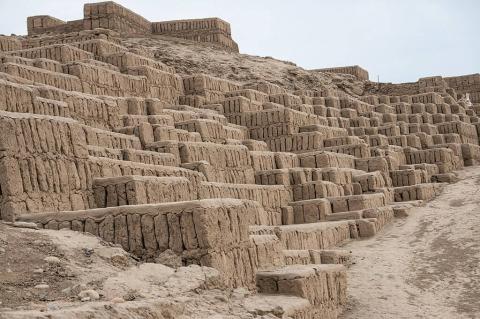
In the heart of Lima, Peru's bustling capital, lies a remarkable archaeological treasure – Huaca Pucllana, an ancient adobe pyramid and ceremonial center that is a testament to the region's rich cultural heritage. Once a bustling hub of religious and administrative activities for the Lima Culture, this site has become one of Metropolitan Lima's main tourist attractions and the city's most extensively investigated archaeological site.

Jodensavanne Archaeological Site: A Glimpse into Suriname's Jewish History

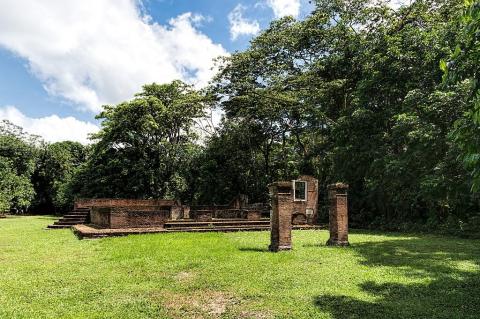
Nestled within the tropical forests of Suriname lies Jodensavanne, a settlement that tells the story of one of the earliest Jewish communities in the Americas. This historic site, established in the 17th century, offers a fascinating glimpse into the lives of Jewish settlers who sought refuge and opportunity in the New World. Along with the nearby Cassipora Creek Cemetery, Jodensavanne stands as a testament to the enduring cultural and religious legacy of the Jewish community in the region.

Joya de Cerén: The Pompeii of the Americas

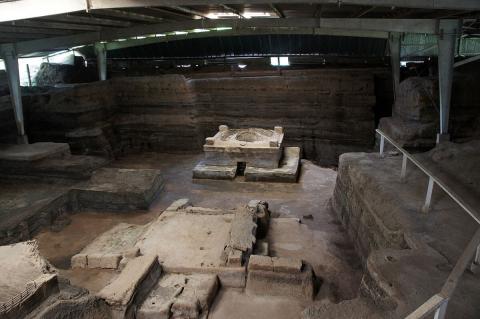
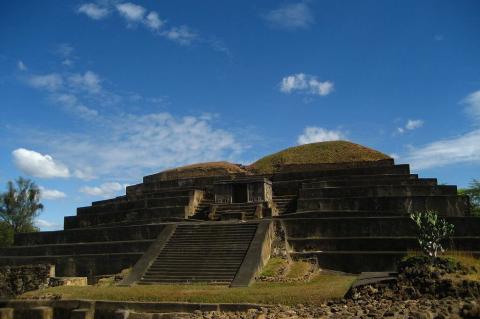
In El Salvador's La Libertad Department lies the Joya de Cerén site, often called the "Pompeii of the Americas." This World Heritage Site contains the remarkably preserved remains of a pre-Hispanic farming village suddenly buried beneath volcanic ash in the seventh century AD. Joya de Cerén offers a glimpse into the ancient Mesoamerican people's daily lives, customs, and traditions, providing a window into a vanished world.

La Isabela: The First European Colonial Town in the Americas

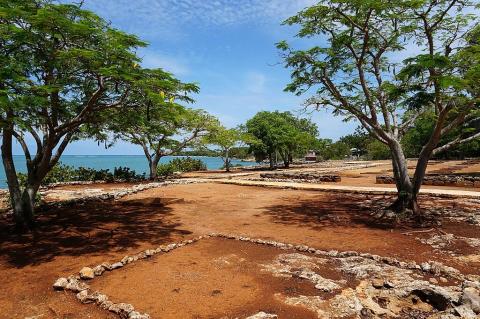
La Isabela, located on the east bank of the Bajabonico River in the Dominican Republic, represents a significant chapter in European colonization in the New World. As the first intentional European colonial town in America, it marks the beginning of a new era. Discovered in the mid-20th century, the ruins now form a National Historical and Archaeological Park, showcasing the remnants of Christopher Columbus's house, a church, and a graveyard.

León Viejo: The Ancient Heart of Nicaragua

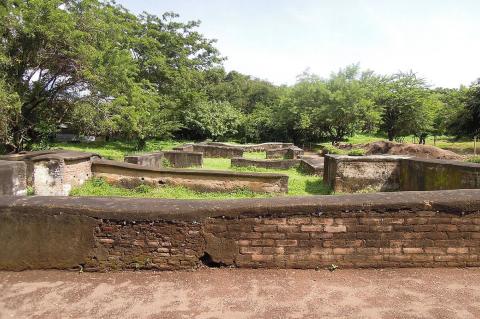
The Ruins of León Viejo, located in northwestern Nicaragua, represent a profound chapter in the early colonial history of the Americas. As one of the oldest Spanish colonial settlements, León Viejo is a significant historical and cultural site that offers unique insights into the interactions between Spanish settlers, Indigenous peoples, and the environment. Designated as a UNESCO World Heritage Site, the ruins of León Viejo stand as a preserved testament to Nicaragua's colonial past.