Archaeological Site

The Archaeological Ensemble of 17th Century Port Royal: Jamaica's Sunken Colonial Capital

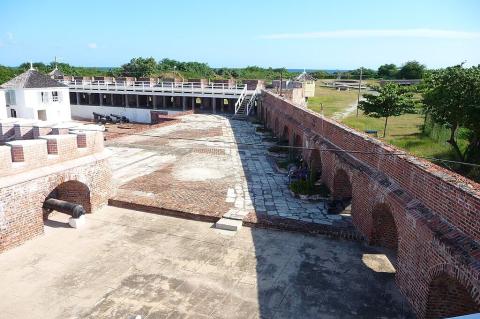
At Kingston Harbour in southeastern Jamaica lies the remains of Port Royal, once the most important English port in the Caribbean and the fourth largest city in the Americas. This colonial city, thriving in the late 17th century as a trade, naval, and piracy hub, was devastated in 1692 when an earthquake submerged two-thirds of its territory. The site, inscribed by UNESCO, offers rare insights into colonial urban life, maritime trade, and social dynamics, embodying a global archaeological treasure and a reminder of the power of natural disasters to reshape civilization.

The Enigmatic Ruins of Guayabo de Turrialba: Echoes of a Lost Civilization

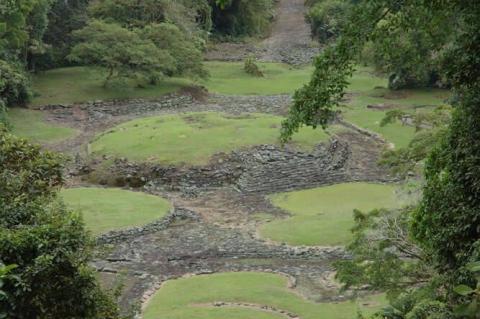
Guayabo de Turrialba, nestled amidst the lush wilderness of the Turrialba Volcano, is a testament to Costa Rica's rich pre-Columbian history, nestled amidst the lush wilderness of the Turrialba Volcano. As the largest pre-Columbian city discovered in Costa Rica, the Guayabo National Monument offers a glimpse into the lives of the people who once thrived in this ancient urban center.

The Enigmatic Stone Spheres of the Diquís: A Legacy of Costa Rica's Ancient Past

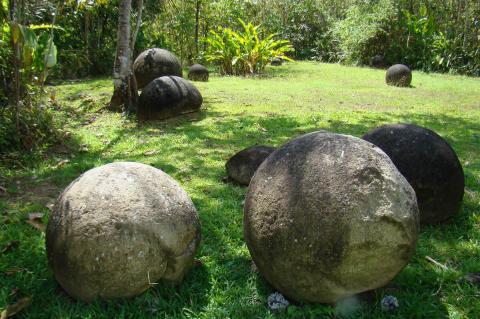
A mysterious collection of over three hundred near-perfect stone spheres lies scattered among the tropical landscapes of Costa Rica's Diquís Delta and Isla del Caño. These remarkable artifacts, known locally as bolas de piedra, vary in size from small stones to massive spheres. Crafted by the now-extinct Diquís culture between 500 and 1500 CE, their true purpose remains unknown. The stone spheres not only showcase the craftsmanship and complexity of the Diquís people but also serve as an enduring symbol of Costa Rica's pre-Columbian heritage.

The Nazca Lines: Mysteries of Ancient Peru

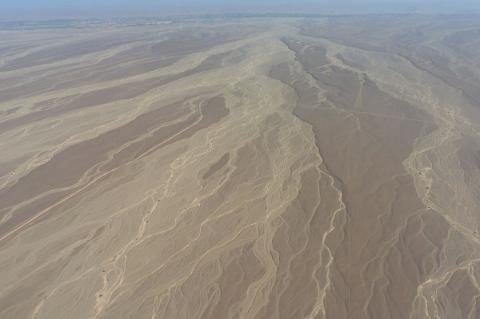
The arid plains of southern Peru, etched with a mesmerizing network of colossal geoglyphs, stand as a profound testament to the artistic and intellectual capabilities of the ancient Nasca and Paracas cultures. Stretching across the ochre-hued expanse known as the Nazca Desert, or Pampa Colorada (Red Plain), and extending into the neighboring Pampas de Jumana, these striking formations represent one of the world's most iconic and enduring archaeological enigmas.

The Qhapaq Ñan: Weaving an Empire Through Stone and Sky

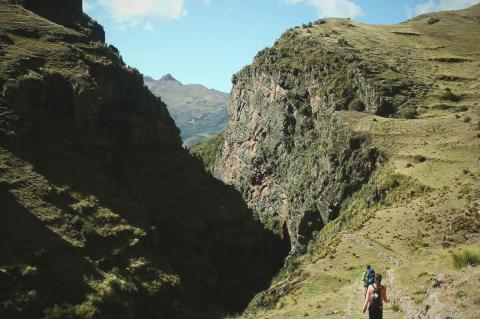
Stretching across the spine of South America, the Qhapaq Ñan represents one of humanity's most ambitious engineering achievements. This network of pathways once carried the footsteps of llamas laden with precious cargo, alpacas bearing the finest textiles, and chasqui messengers racing between distant provinces of the vast Inca Empire. More than mere roads, these ancient highways served as the nervous system of Tawantinsuyu, the "Land of the Four Quarters," binding together a realm that spanned from the emerald depths of the Amazon to the windswept altiplano.

The Wixárika Route through Sacred Sites to Wirikuta (Tatehuarí Huajuyé): Mexico's Sacred Pilgrimage Path

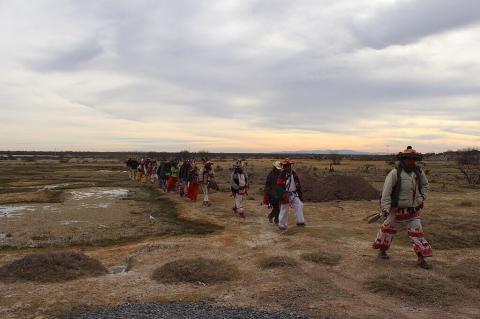
In north-central Mexico, an ancient network of sacred pathways connects mountains, deserts, and valleys, linking the spiritual heart of the Wixárika culture to their sacred site. The Wixárika Route through Sacred Sites to Wirikuta, called Tatehuarí Huajuyé in Wixárika, is a major pre-Columbian pilgrimage route still used today. Recently recognized by UNESCO, it spans five Mexican states with 20 sacred sites that form the cultural core of Wixárika civilization. More than a trail, it embodies a living cosmology where landscape, spirituality, agriculture, and community converge, maintaining a tradition over a millennium.

Tierradentro: Unveiling Colombia's Ancient Mysteries

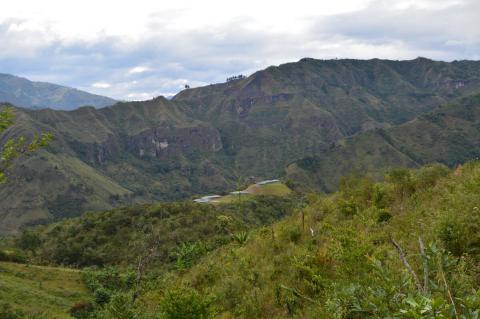
Located amidst the rugged terrain of southwestern Colombia, nestled within the imposing peaks of the Cordillera Central of the Colombian Andes, lies a treasure trove of ancient wonders: the National Archaeological Park of Tierradentro. Designated as a UNESCO World Heritage Site, Tierradentro is a testament to the rich cultural heritage of Colombia, offering a glimpse into the enigmatic world of pre-Columbian civilizations that flourished in the region.

Tikal: Where Ancient Civilization Meets Natural Splendor

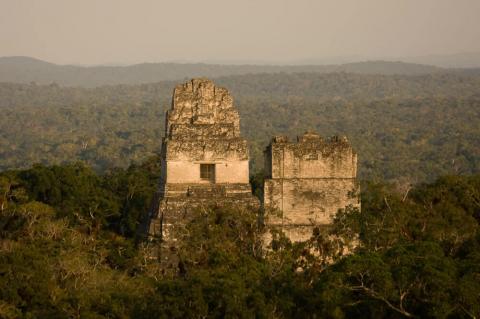
Tikal, one of the largest and most significant archaeological sites of the ancient Maya civilization, stands as a remarkable testament to the ingenuity and sophistication of a society that once flourished in the dense jungles of northern Guatemala. Today, Tikal is an iconic symbol of Maya architectural and cultural achievements and a crucial part of the vast Tikal National Park, a UNESCO site that preserves both the rich history and the extraordinary biodiversity of the region.

Tiwanaku Ruins: The Heart of an Ancient Andean Civilization

Located on the southern shore of Lake Titicaca in Bolivia, Tiwanaku is an impressive archaeological site that bears witness to one of the most advanced pre-Columbian civilizations in the Andes. Tiwanaku was once the political and cultural capital city of a powerful empire, exerting influence over vast regions of the southern Andes. This UNESCO World Heritage Site offers a rare insight into the technological and artistic achievements of its time, from its monumental stone structures to its sophisticated agricultural systems.

Unraveling the Secrets of Tulum: A Coastal Gem of the Maya Civilization

Nestled along Mexico's Caribbean coastline in Quintana Roo state, the ancient walled city of Tulum stands as a remarkable testament to the ingenuity and resilience of the Maya civilization. This pre-Columbian marvel, once a major port for the nearby city of Coba, has captured the imagination of visitors worldwide, offering a rare glimpse into the Maya people's strategic fortifications and architectural marvels. Originally known as Zamá, Tulum earned its current name from the Yucatec Maya word for "wall" or "fence," a fitting descriptor for one of the few fortified Maya cities.