Protected Area

Baconao Park and Biosphere Reserve: Exploring Cuba's Natural and Cultural Treasure

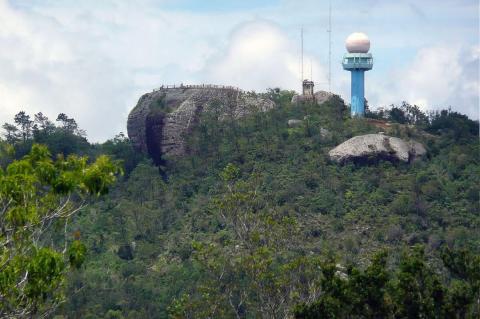
The Baconao Park and Biosphere Reserve is located in the southeastern region of Cuba, between Santiago de Cuba and Guantanamo. This vast reserve is a crucial sanctuary for biodiversity, home to many ecosystems and unique species. The reserve spans three distinct biogeographic zones, each contributing to its diverse range of flora and fauna. Additionally, the park holds great cultural significance, giving visitors a glimpse into the area's rich history and heritage.
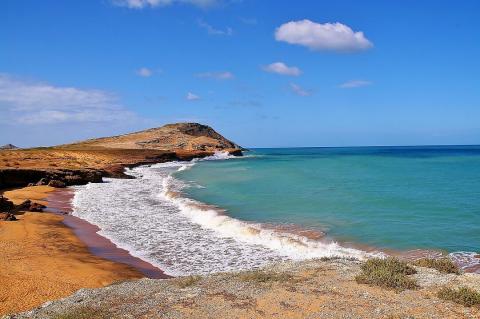
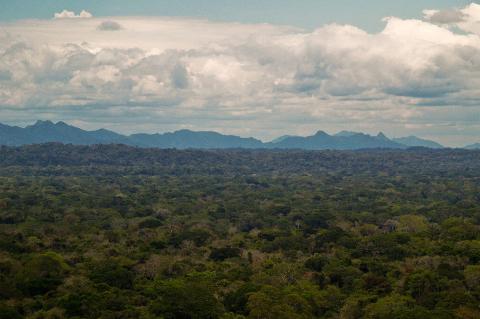
Bahía Portete - Kaurrele National Natural Park: A Coastal Eden at the Edge of Colombia

Located on the La Guajira Peninsula, at the northernmost tip of Colombia, the Bahía Portete - Kaurrele National Natural Park boasts a stunning coastline. It sits between Cabo de la Vela and Punta Gallinas and is known as the northernmost National Park in South America. This sanctuary is where the Caribbean Sea meets the arid La Guajira Desert, creating a unique and beautiful natural landscape.

Bahuaja-Sonene National Park: A Peruvian Amazon Jewel

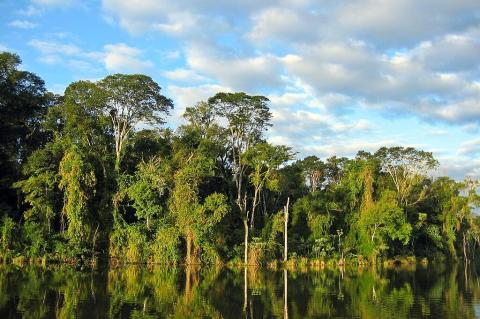
Deep within the heart of the Peruvian Amazon, nestled in the departments of Madre de Dios and Puno, lies the breathtaking Bahuaja-Sonene National Park, a protected area that has captured the imagination of nature lovers and conservationists alike. This vast expanse harbors some of the world's wildest and least-impacted habitats, a true testament to the region's remarkable biodiversity and ecological significance of the area.

Balancing Biodiversity and Development: The Itaipu Biosphere Reserve

The Itaipu Biosphere Reserve, located in eastern Paraguay, is a striking example of the successful integration of biodiversity conservation and sustainable human development. This reserve encompasses the semi-deciduous subtropical Upper Paraná Atlantic Forest, a critical ecosystem. Managed by Itaipu Binacional, a bi-national entity established by Paraguay and Brazil, the Itaipu Biosphere Reserve showcases how collaboration, innovative management, and education can harmonize human activity with nature's preservation.

Barbilla National Park: A Sanctuary of Biodiversity and Indigenous Heritage

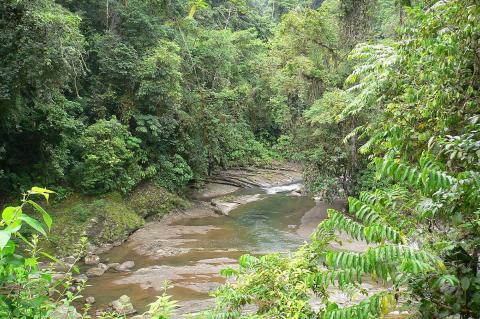
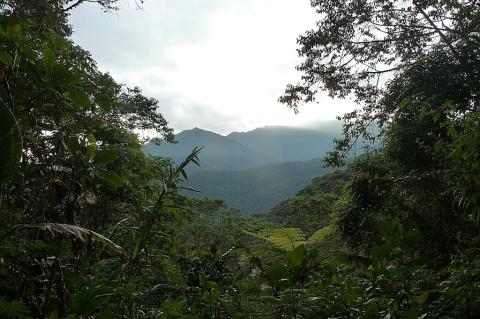
Barbilla National Park in Costa Rica is an important conservation area that protects natural and cultural treasures. It covers a humid lowland rainforest and plays a critical role in safeguarding the region's biodiversity and water resources. Despite being one of Costa Rica's least-visited national parks, its ecological richness and connection to the Indigenous Cabécar people provide an invaluable opportunity to understand the complex relationships between natural ecosystems and human communities.

Barú Volcano National Park: Where Nature and History Converge

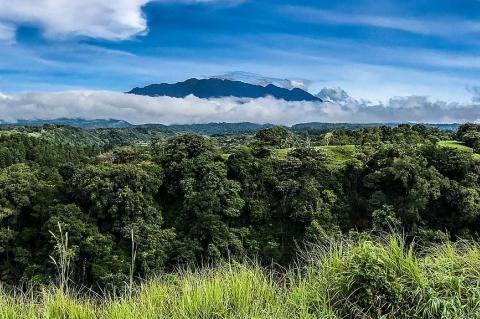
Barú Volcano National Park, located in the Chiriquí Province of western Panama, is home to the tallest mountain in the country, the Barú Volcano. The Barú Volcano offers breathtaking views and a unique ecological environment. The park has diverse flora and fauna, rich cultural history, and geological significance. As a popular destination for hikers, birdwatchers, and nature enthusiasts, Barú Volcano National Park provides a unique opportunity to experience Panama's natural beauty and explore one of its most iconic landmarks.

Belize's Underwater Paradise: Exploring the Wonders of Hol Chan Marine Reserve

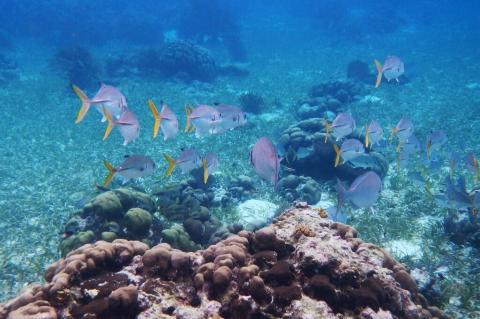
Nestled on the eastern coast of Central America, Belize is home to one of the world's most iconic marine ecosystems – the Belize Barrier Reef. Within this natural treasure trove lies the Hol Chan Marine Reserve, a protected area that is a testament to Belize's commitment to conservation and sustainable marine management. Hol Chan offers visitors an unparalleled opportunity to immerse themselves in the Caribbean's vibrant and diverse underwater world.

Bellavista Cloud Forest Reserve: A Sanctuary of Biodiversity in the Andes

Nestled high in the Ecuadorian Andes, the Bellavista Cloud Forest Reserve is a captivating oasis of biodiversity. This certified conservation area within the Pichincha Province offers a mesmerizing blend of dense cloud forests, mist-covered canopies, and rich flora and fauna. As a premier ecotourism destination, the reserve attracts nature lovers, birdwatchers, and conservation enthusiasts worldwide. Its ecological significance and stunning landscapes make it essential to Ecuador's cultural heritage.

Beni Biosphere Reserve: A Confluence of Nature and Culture

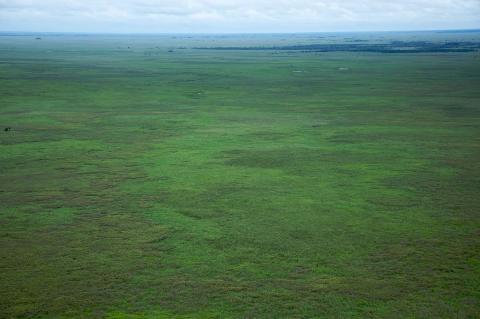
The Beni Biosphere Reserve is located in the Department of Beni in northeastern Bolivia. It is a unique area that combines three distinct biogeographical zones: the Amazon, the Chaco, and the Cerrado. The reserve comprises a savanna and rainforest and is one of Bolivia's oldest and most important protected areas. It is a haven for a wide variety of plant and animal species and a place with a rich cultural heritage.

Bernardo O'Higgins National Park: Chile's Vast Wilderness

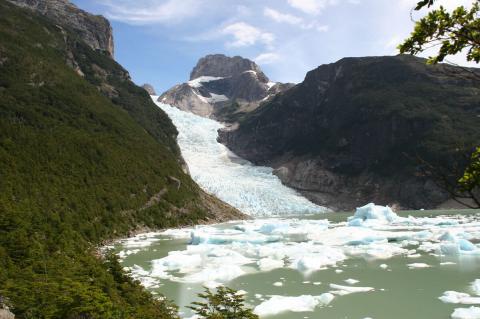
Bernardo O'Higgins National Park is named after Bernardo O'Higgins, the revolutionary leader and first head of state of Chile. It is the country's largest protected area, spanning the remote regions of Aysén and Magallanes and Antártica Chilena and encompassing a vast portion of the Southern Patagonian Ice Field. The park is a symbol of conservation and natural wonder and stands as a testament to southern Chile's rugged beauty and ecological significance.