Protected Area

Chagres National Park: Guardian of the Panama Canal

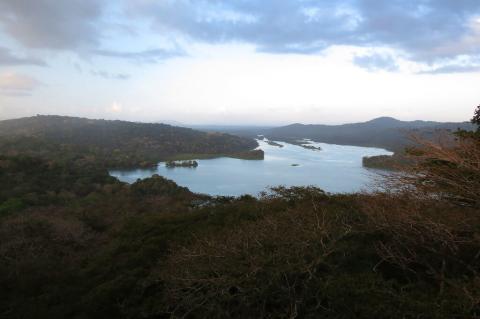
Nestled in the heart of Panama, Chagres National Park is a vital ecological and cultural haven and a significant protectorate of diverse flora, fauna, and water resources. Its location near the Panama Canal highlights its crucial role in maintaining regional water quality and ensuring the canal's smooth operation. Beyond its ecological significance, the park is a living repository of Indigenous heritage and historical legacies, offering an unparalleled blend of natural beauty and cultural depth.

Chapada dos Veadeiros: Brazil's Ancient Cerrado Sanctuary

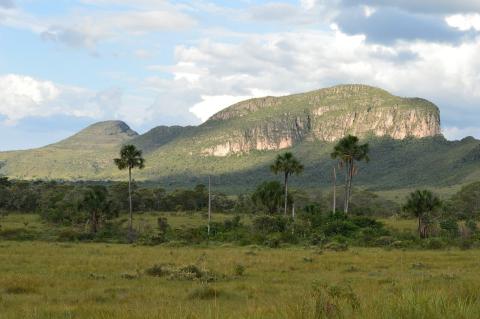
In Brazil's central plateau, crystalline waters flow over ancient rocks amid endemic species in one of Earth's most diverse savannas, Chapada dos Veadeiros National Park. This protected area highlights the Cerrado biome's ecological richness and is a vital sanctuary for unique species. Rising from the highlands like a natural cathedral of stone and water, it acts as a living museum of billions of years of evolution. As a UNESCO Site, it is a crucial refuge for the endangered Cerrado ecosystem, conserving genetic resources and ecological processes for the planet's future.

Chiloé National Park: Biodiversity and Beauty on Chiloé Island

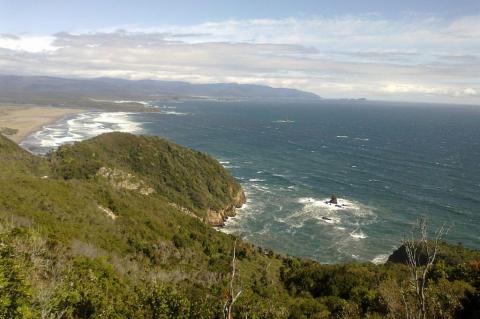
Chiloé National Park, located on the western coast of Chiloé Island in the Los Lagos Region of southern Chile, is a sanctuary of remarkable biodiversity and natural beauty. The park showcases diverse ecosystems, from temperate rainforests and swamps to rugged coastlines and sandy dunes. Exploring the park's geography, climate, flora, fauna, and recreational opportunities reveals the significance of one of Chile's most enchanting natural reserves.

Chingaza: The Heart of Colombia's Andean Wilderness

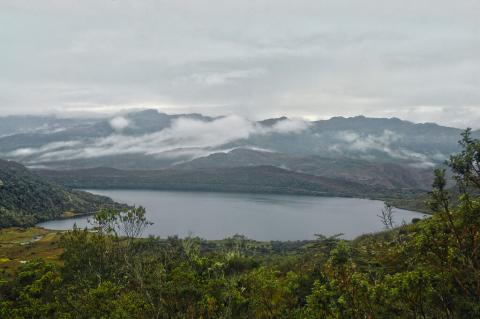
Chingaza National Natural Park, nestled in the Andean Natural Region of Colombia, is a stunning testament to the country's rich biodiversity and cultural heritage. Located in the Cordillera Occidental of the Colombian Andes, this park is a vital ecological haven and is a crucial water source for Bogotá. From its diverse ecosystems and unique flora and fauna to its historical significance, Chingaza National Natural Park offers a comprehensive glimpse into Colombia's natural and cultural wealth.

Chiribiquete: Where Ancient Stone Embraces a National Sanctuary

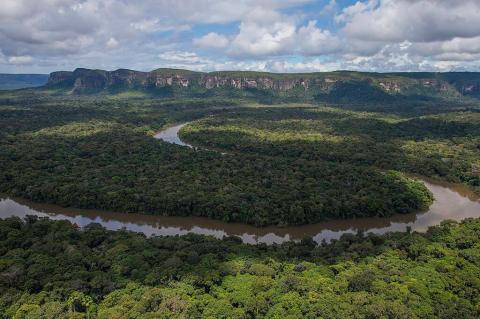
Rising from the Colombian Amazon, the Serranía de Chiribiquete is a breathtaking sandstone plateau, sculpted by nature over millions of years. This rugged mountain range forms the core of Chiribiquete National Natural Park, a protected area of immense ecological and cultural significance. The park is intrinsically linked to the serranía, serving as a vital sanctuary for its unparalleled biodiversity and remarkable archaeological secrets etched onto its rock faces.

Cockscomb Basin and Range: Belize's Iconic Wildlife Sanctuary and Jaguar Preserve

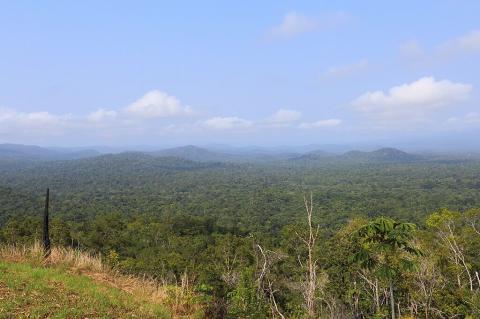
The Cockscomb Basin Wildlife Sanctuary, nestled within the Cockscomb Range in southern Belize, is one of the world's most successful and pioneering conservation areas. This sanctuary, the first dedicated jaguar preserve, provides a protected habitat for Belize's elusive big cats and safeguards biodiversity within its dense tropical forests, rivers, and mountainous terrain. The Cockscomb Range and Basin form a unique conservation landscape, offering a refuge for endangered species and a valuable ecological research site.

Conguillío National Park and Araucarias Biosphere Reserve: A Volcanic Wonderland of Araucaria Forests

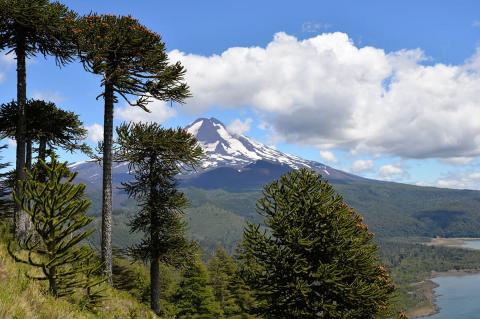
Deep in the heart of Chile's La Araucanía Region, where the majestic Andes meet the temperate rainforests of the south, lies a natural treasure trove that has captured the imagination of explorers and scientists alike. The Conguillío National Park and the Araucarias Biosphere Reserve form a breathtaking landscape of volcanic grandeur, ancient forests, and a rich tapestry of biodiversity that is truly unique to this corner of the world.

Conserving the Galápagos: Protected Areas and Their Impact

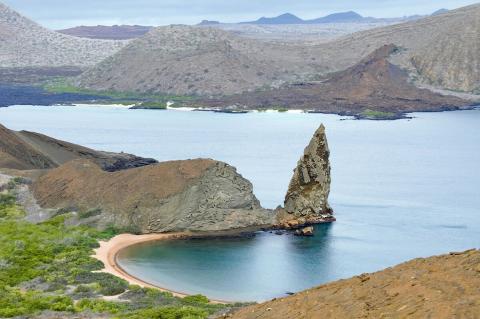
The Galápagos Islands, an archipelago of volcanic islands in the Pacific Ocean, are renowned for their unique biodiversity and historical significance in shaping Charles Darwin's theory of evolution. Three main protected areas have been established to preserve this natural wonder: Galápagos National Park, the Galápagos Marine Reserve, and the Galápagos Biosphere Reserve. Each area is critical in safeguarding the islands' unique flora and fauna.

Corcovado National Park: Costa Rica's Biodiversity Epicenter in the Mesoamerican Corridor

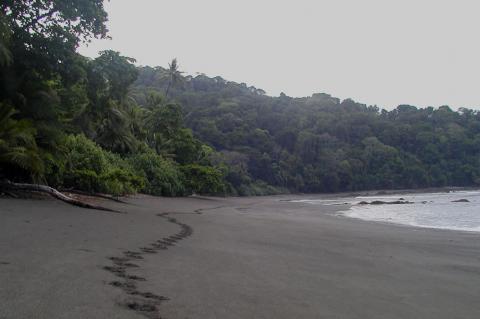
On Costa Rica's remote Osa Peninsula, where pristine beaches meet impenetrable rainforests and the Pacific Ocean laps against shores where jaguars still hunt at twilight, lies one of the most extraordinary conservation achievements in the Western Hemisphere. Corcovado National Park, encompassing the world's most biologically intense ecosystems, represents far more than Costa Rica's largest national park—it serves as a crucial anchor point for the Pacific coast within the Mesoamerican Biological Corridor.

Cotopaxi National Park: Ecuador’s Iconic Volcano and Ecological Marvel

Situated in the heart of the Ecuadorian Andes, Cotopaxi National Park is a testament to Ecuador's dedication to preserving its unique natural heritage. The park is famous for being the home of the iconic Cotopaxi Volcano, one of the world's most impressive stratovolcanoes. Due to the park's varying altitudes, it boasts distinct ecological zones, each supporting species that have adapted to the challenging, high-altitude conditions. The park's breathtaking landscapes, diverse ecosystems, and remarkable volcanic formations make it a magnet for nature enthusiasts, adventurers, and scientists.