Protected Area

Cabo de Hornos: Protecting the Pristine Wilderness of Sub-Antarctic Chile

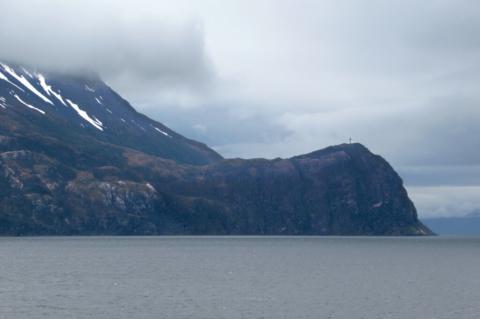
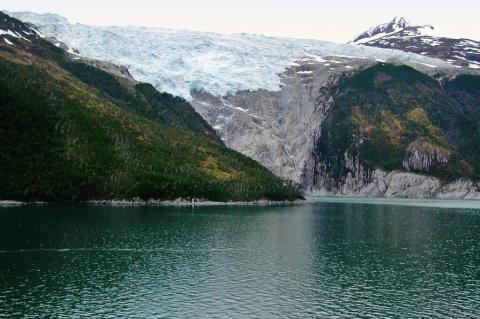
At the southernmost tip of the South American continent lies a breathtaking, remote wilderness known as the Cabo de Hornos Biosphere Reserve. Situated in the Magallanes region of southern Chile, this reserve spans pristine marine areas, islands, fjords, forests, and moorlands. Renowned for its dramatic landscapes and harsh weather conditions, Cabo de Hornos (Cape Horn) is both a paradise for nature enthusiasts and a critical site for scientific research.
Cabo Orange National Park: A Sanctuary of Biodiversity and Natural Beauty

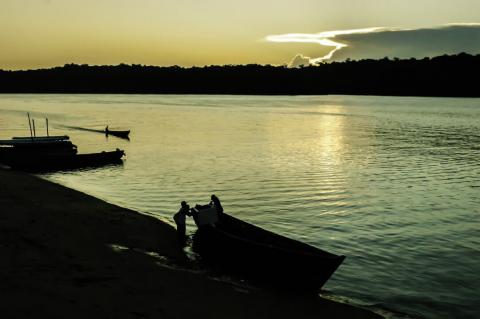
Cabo Orange National Park, located in the northern Brazilian state of Amapá, is a remarkable expanse of natural beauty and ecological significance. Nestled along the coastline and bordering French Guiana to the north, it includes continental and marine environments. It is crucial to Brazil's efforts to preserve its rich biodiversity and unique ecosystems. Managed by the Chico Mendes Institute for Biodiversity Conservation (ICMBio), the park is a testament to the importance of conservation and sustainable use of natural resources.

Calilegua National Park: A Biodiversity Haven in the Argentine Yungas

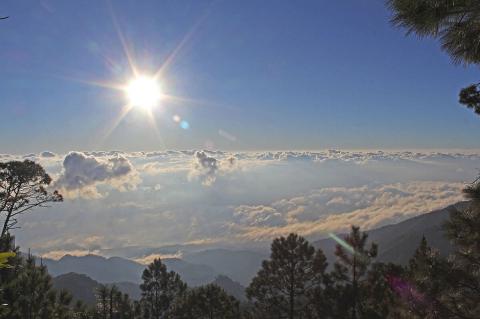
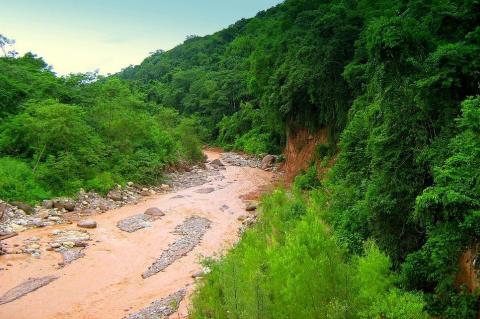
Nestled within the Jujuy Province in Argentina's rugged northwestern region, Calilegua National Park is a conservation beacon, safeguarding one of the country's most diverse and captivating ecosystems. This vast protected area is a sanctuary for the Yungas, a transitional zone between the Andean highlands and the eastern forests, where nature's grandeur unfolds in a tapestry of lush vegetation, meandering rivers, and a rich array of wildlife.

Campos Amazônicos: Where Amazon Meets Cerrado - A Sanctuary of Biodiversity

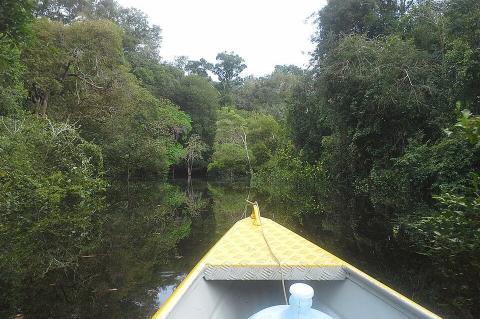
Campos Amazônicos National Park, located at a critical ecological crossroads, is a testament to Brazil's commitment to preserving its diverse ecosystems. This vast protected area represents a unique transition zone between the Amazon rainforest and the Cerrado savanna. Its establishment marked a significant step in safeguarding one of the most biodiverse regions in South America, offering protection to numerous endemic species and indigenous communities.

Caparaó National Park: A Sanctuary of Natural Diversity and Majestic Peaks

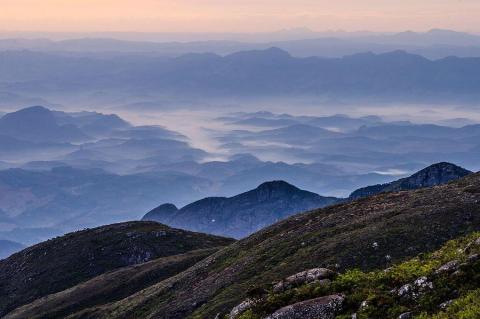
Nestled on the border between the Brazilian states of Minas Gerais and Espírito Santo, the Caparaó National Park is a testament to Brazil's rich natural heritage. Encompassing the majestic Caparaó Mountains within its boundaries, this park offers a sanctuary for diverse ecosystems, from dense montane rainforests to alpine meadows. Pico da Bandeira, the third-highest mountain in Brazil, lies at the park's heart.

Caracol Falls: A Natural Wonder of Southern Brazil

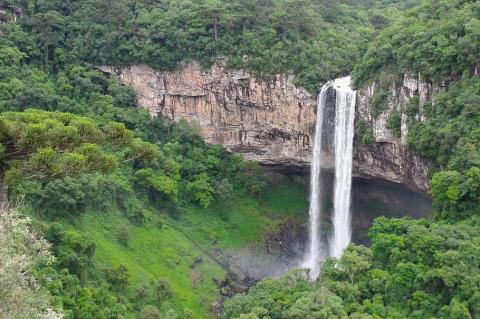
Caracol Falls, located near Canela in Rio Grande do Sul, Brazil, is one of the country's most iconic natural landmarks. Situated within Caracol State Park, this stunning waterfall plunges over basalt cliffs, showcasing the dramatic geological features of the Serra Geral mountain range. Caracol Falls has two main cascades, offering a breathtaking display of nature's power as the Caracol River flows into the Vale da Lageana. As Brazil's second most popular natural tourist attraction, it draws millions of visitors annually, captivated by its beauty and accessibility.

Cavernas do Peruaçu National Park: Exploring Brazil's Peruaçu River Canyon

In northern Minas Gerais, Brazil, the Peruaçu River Canyon, a UNESCO World Heritage Site, is encompassed by Cavernas do Peruaçu National Park. This remarkable landscape showcases geological formations, biological diversity, and human history spanning millennia. Limestone formations have created an underground world with over 140 caves and prehistoric rock art dating back 12,000 years. The canyon exemplifies the interplay of geological, natural, and cultural development that has shaped this unique corner of Brazil.

Cayos Cochinos Marine Park: A Caribbean Haven of Biodiversity

Nestled along the Caribbean coast of Honduras, the Cayos Cochinos Marine Park stands as a testament to the commitment to preserve and protect the rich biodiversity of this pristine region. This protected biological reserve is a haven for marine life and various ecosystems. Comprising two main islands, Cayo Menor and Cayo Grande, along with 13 smaller cays, the Cayos Cochinos archipelago has become a beacon of conservation in the Caribbean Sea.

Celaque National Park and Cacique Lempira—Señor de las Montañas Biosphere Reserve

In the western part of Honduras lies a region of extraordinary natural beauty and rich cultural heritage, epitomized by Celaque National Park and the Cacique Lempira—Señor de las Montañas Biosphere Reserve. Established to protect some of Central America's most biodiverse and ecologically significant landscapes, these areas are crucial for conservation and sustaining local communities' livelihoods and cultural practices.

Cerro Hoya National Park: Panama’s Biodiversity Refuge

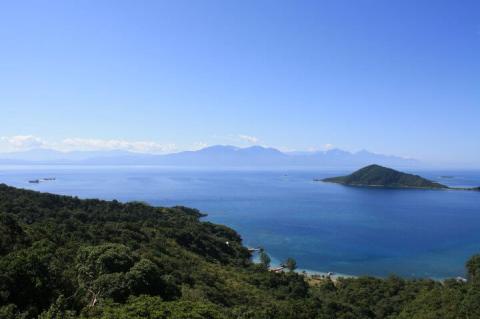
Cerro Hoya National Park, located on the southern tip of the Azuero Peninsula in Panama, is a bastion of untouched natural beauty and ecological significance. Spanning the Los Santos and Veraguas provinces, this park is renowned for its rich biodiversity, unique landscapes, and historical importance. As one of the last refuges of the peninsula's original forests, the park serves as a critical conservation area, preserving rare species of flora and fauna and offering a glimpse into Panama's past.