
Iguazú Falls, Argentina: A Natural Wonder on the Border
Iguazú Falls, one of the world's largest and most spectacular waterfall systems, straddles the Argentina-Brazil border. This article covers the falls' shared geology, biodiversity, and history, along with the Argentine park's own walkway system, which brings visitors closer to individual cascades than anywhere on the Brazilian side.
Iguazú Falls: The Water That Argentina and Brazil Share, and the Park That Gets You Closest
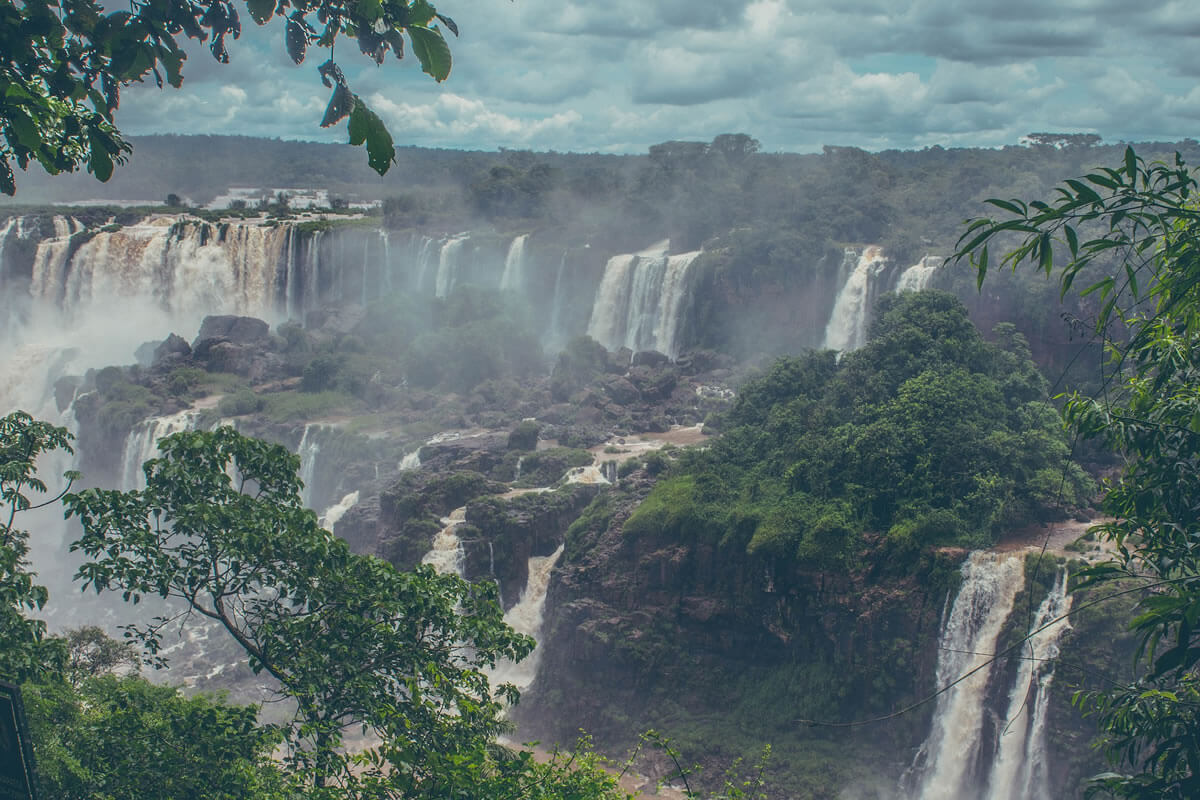
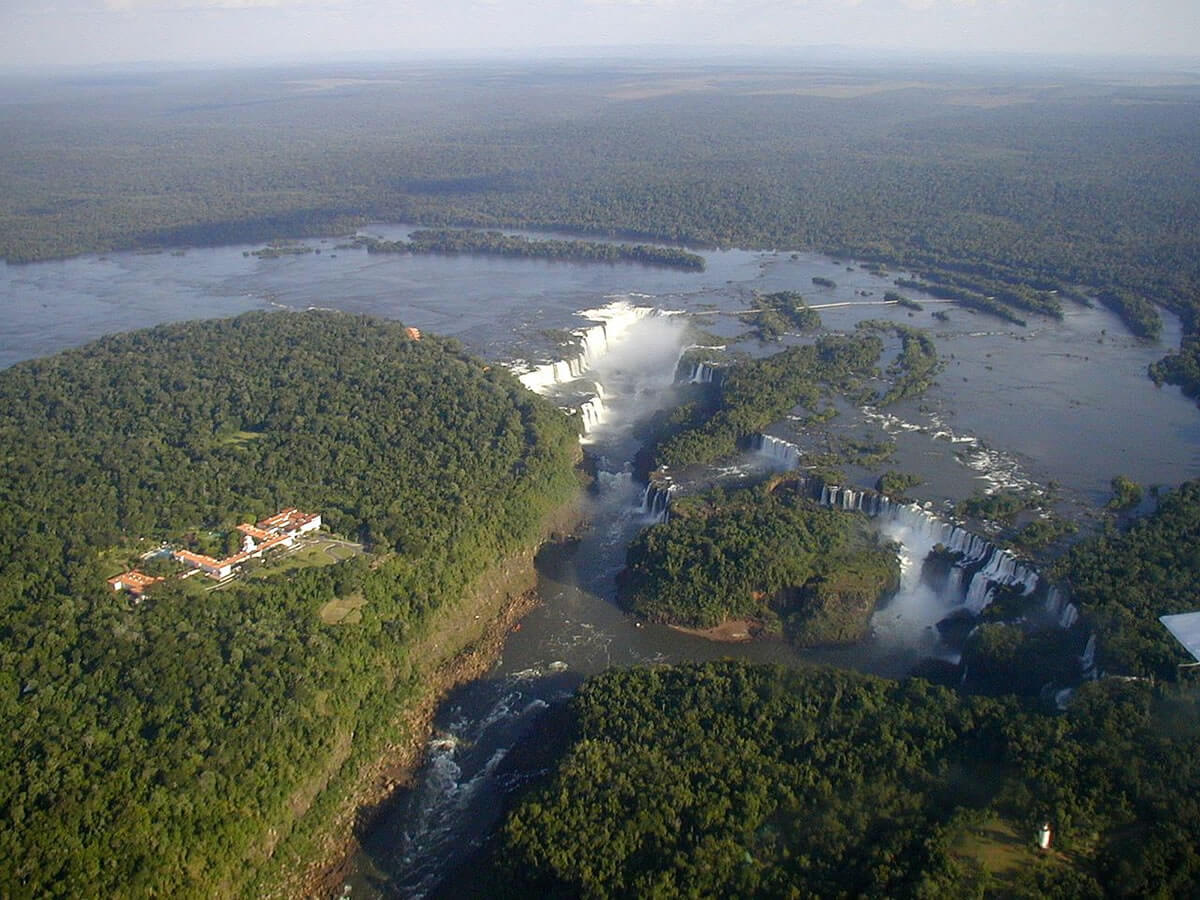
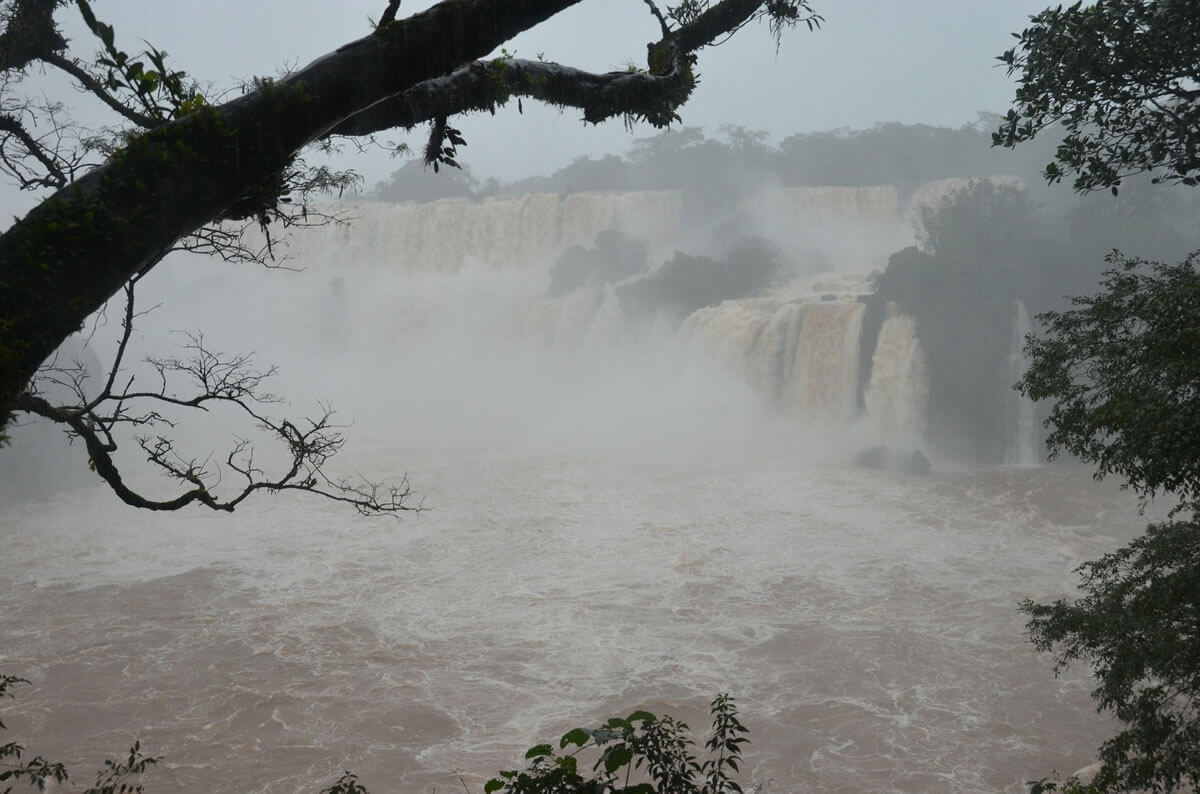
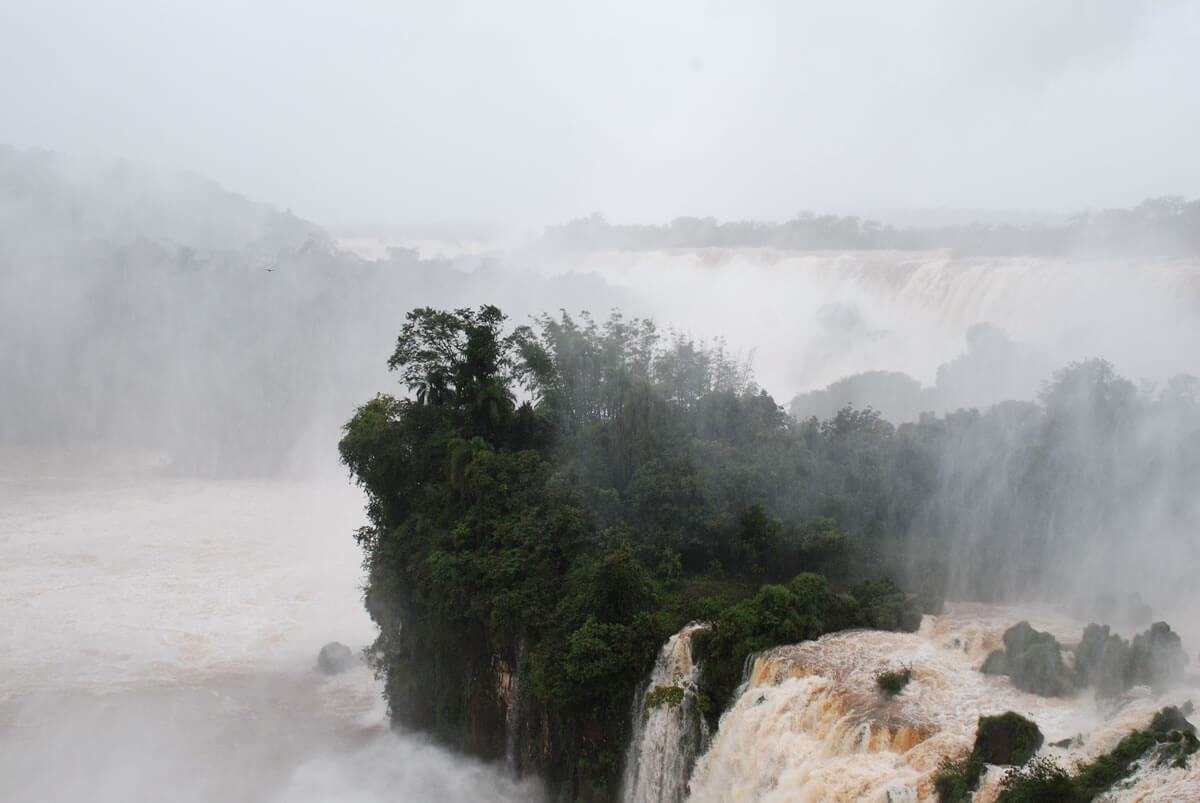
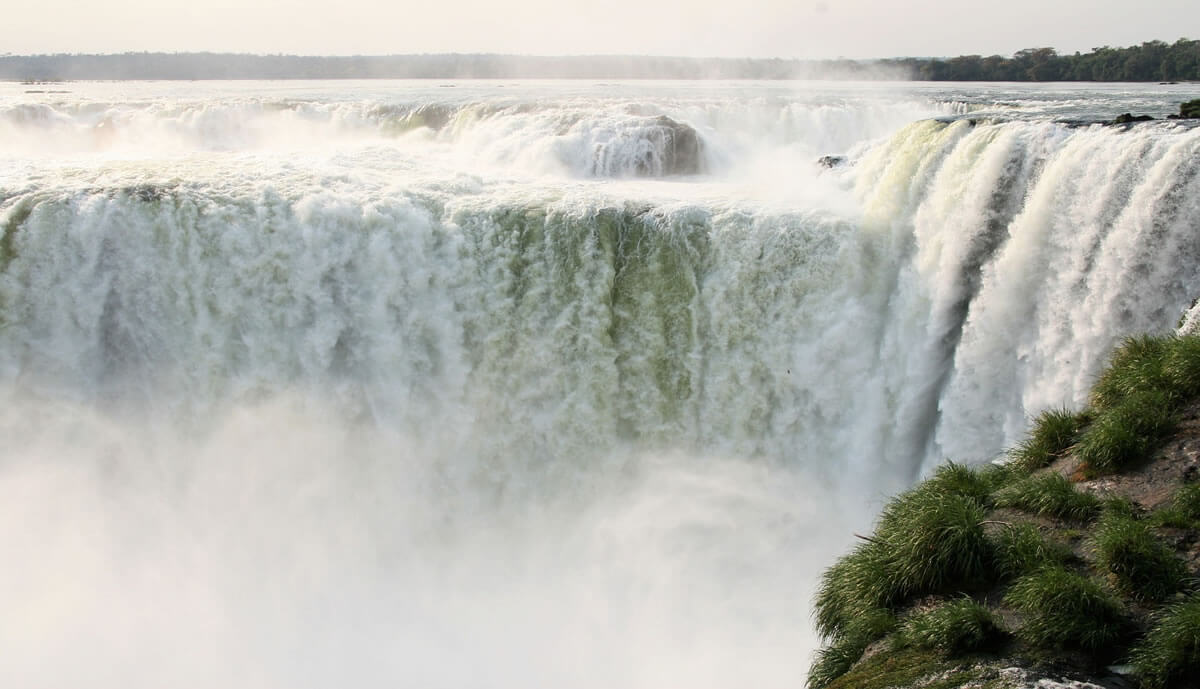
Iguazú Falls, straddling the border between Argentina's Misiones Province and Brazil's Paraná State, is one of the world's most spectacular natural wonders. Stretching over 2.7 km (1.7 mi) and plunging from heights of up to 80 m (260 ft), this waterfall system is divided into somewhere between 150 and 300 individual falls, depending on the river's flow, including the iconic Devil's Throat, and draws millions of visitors annually. Lush subtropical rainforest surrounds the falls on both sides of the border, protected in Brazil as Iguaçu National Park and in Argentina as Iguazú National Park, together forming a UNESCO World Heritage Site renowned for its biodiversity and conservation significance.
Formation and Geography
The falls sit where the Iguazú River tumbles over the edge of the Paraná Plateau, a basalt formation formed by volcanic activity dating back over 500 million years. The river's name derives from the Guaraní words for "great water," a fitting description for a falls system stretching 2,682 m (8,799 ft) across. The falls form in a staircase pattern of two main basalt steps, roughly 35 m (115 ft) and 40 m (131 ft) high, respectively, and the river's course bends into a horseshoe-shaped semicircle as it approaches the edge of the plateau.
Numerous rocky, forested islands break the river's width into 150 to 300 individual cascades, each ranging from 60 to 82 m (197 to 269 ft) in height, depending on seasonal flow. The most dramatic single feature is the Devil's Throat (Garganta del Diablo), a narrow, U-shaped canyon into which nearly half the river's entire flow plunges at once. Several other named falls, including San Martín, Adán y Eva (Adam and Eve), and Bosetti, add to the site's scale and variety.
Iguazú National Park, Argentina
Established in Argentina in 1934, Iguazú National Park is one of the country's earliest national parks and covers about 67,000 hectares (165,500 acres) in Misiones Province, administered by Argentina's national parks administration. It borders Brazil's Iguaçu National Park directly to the north, together forming one of South America's most significant binational conservation areas, and both parks were jointly recognized as a UNESCO World Heritage Site in 1984.
The Argentine park is generally considered to offer the more immersive visitor experience of the two, with an extensive network of elevated walkways, the Circuito Superior (Upper Circuit) and Circuito Inferior (Lower Circuit), that bring visitors within meters of individual cascades rather than viewing the falls primarily from a distance. A separate walkway leads directly to a platform suspended over the Devil's Throat itself, reached via the Tren de la Selva (Jungle Train), an eco-friendly rail line running through the park's forest. Boats also ferry visitors to Isla San Martín, a rocky island in the river offering additional close-up vantage points, and to the base of several falls for those seeking the most immersive encounter with the spray and roar of the cascades.
The Atlantic Forest
Both national parks lie within the Atlantic Forest, a biome that once stretched across vast areas of Brazil, Paraguay, Argentina, and Uruguay and today survives only in fragments, most severely reduced by deforestation and agricultural development. The Iguazú-Iguaçu park complex represents one of the largest and most intact remaining blocks of this forest type, and its creation marked a significant step toward conserving both the Atlantic Forest itself and the extraordinary concentration of species it supports.
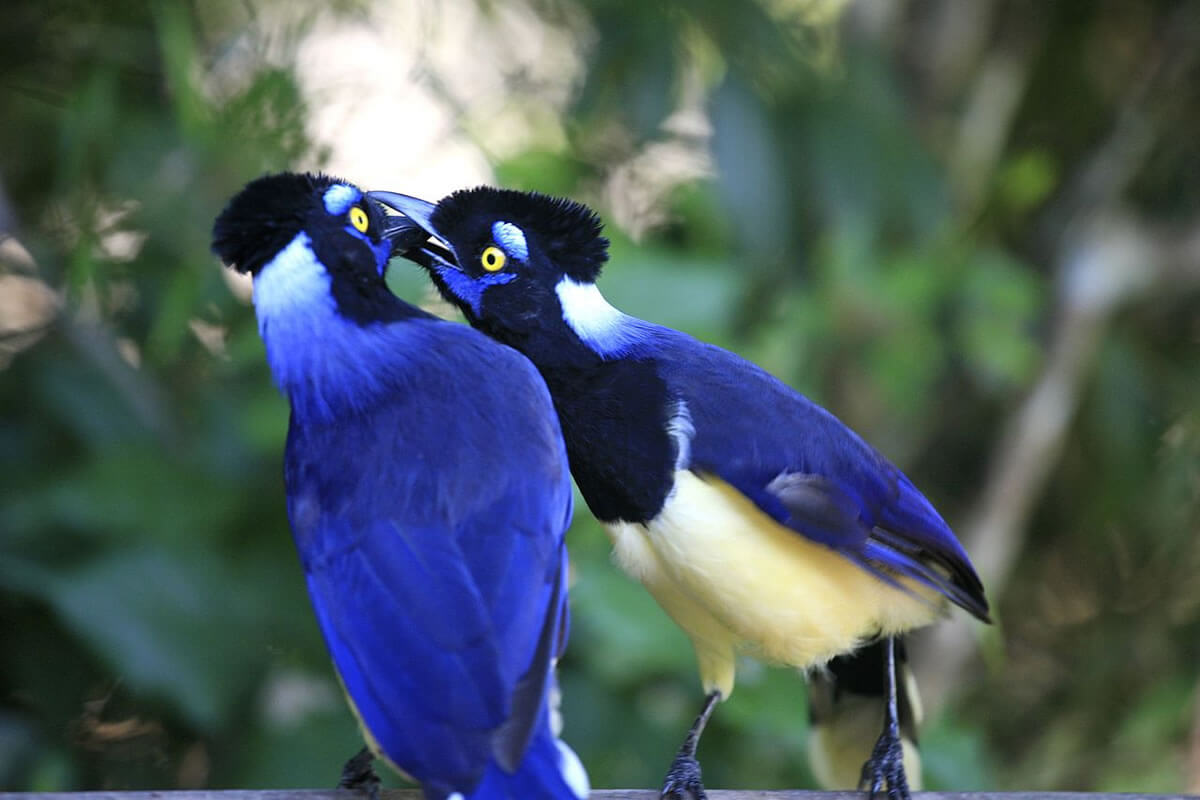
The park hosts about 2,000 plant species, including around 80 tree species, and the near-constant mist generated by the falls sustains an unusually humid microclimate that supports lush palms, ferns, and orchids even in areas that might otherwise be drier. Wildlife includes roughly 400 recorded bird species, among them the red-breasted toucan (Ramphastos dicolorus), the toco toucan (Ramphastos toco), the vinaceous-breasted amazon (Amazona vinacea), and the elusive harpy eagle (Harpia harpyja), alongside jaguars (Panthera onca), pumas (Puma concolor), and the lowland tapir (Tapirus terrestris), all difficult to spot but present within the park's forested interior, and the broad-snouted caiman (Caiman latirostris), which inhabits the park's rivers and wetlands.
Human History
The Guaraní people inhabited the region long before European contact; their descendants still live in communities throughout Misiones Province today, and their language gave the falls their name. Spanish conquistador Álvar Núñez Cabeza de Vaca is generally credited as the first European to document the falls, during his 16th-century exploration of the region, well over a century before European settlement began altering the surrounding landscape in earnest.
Conservation Challenges
Despite its protected status, the Iguazú-Iguaçu complex faces significant conservation pressure from outside its borders. The Atlantic Forest surrounding the park has been extensively logged and cleared for agriculture and rural settlement, fragmenting the remaining forest and isolating the wildlife populations that depend on it. Sustained collaboration between Argentina and Brazil has proven essential to maintaining the ecological integrity of the falls and the surrounding forest, with both countries recognizing the shared value of protecting this natural heritage jointly rather than in isolation.
Conclusion
Iguazú Falls, shared between Argentina and Brazil, ranks among Earth's most breathtaking natural landmarks, its cascading waters framed by the greenery of one of South America's last significant remnants of Atlantic Forest. On the Argentine side, an extensive network of walkways and boat access brings visitors as close to the falls as the site's geography allows, while continued binational cooperation remains essential to preserving the falls and the surrounding forest for generations to come.