
Chile's Lake District: Nature's Paradise and Cultural Gem
Chile's Lake District, between the Andes and the Pacific, is known for its lakes, volcanoes, and culture. From Temuco to Puerto Montt, it offers outdoor adventures, stunning landscapes, and rich cultural experiences, making it a treasure for explorers seeking a connection to Chile's nature and culture.

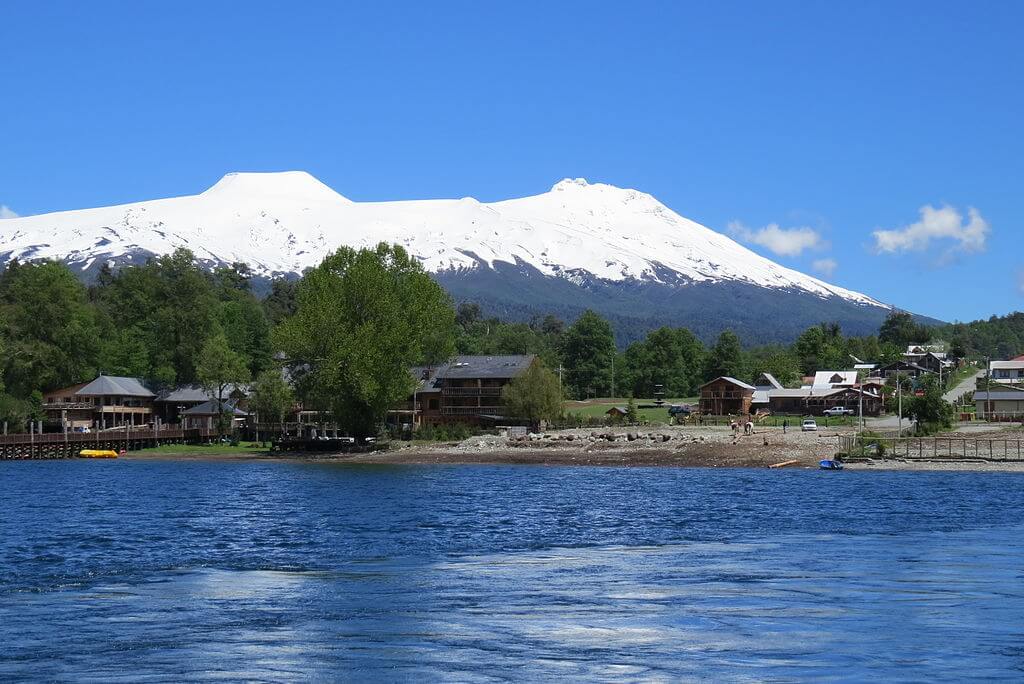
Chile's Lake District: A Symphony of Natural Beauty and Cultural Richness
Nestled between the Andes Mountains and the Pacific Ocean, Chile's Lake District is a breathtaking region renowned for its pristine lakes, snow-capped volcanoes, lush forests, and vibrant cultural heritage. Situated in southern Chile, roughly 1,000 km (620 mi) south of Santiago, this picturesque area stretches from the city of Temuco to Puerto Montt, corresponding closely to the northern reaches of the Valdivian temperate forests ecoregion described in that article's own dedicated coverage of the area's ecology. It offers visitors a captivating blend of outdoor adventure, serene landscapes, and cultural immersion, and the region's history and identity make it a treasure trove for explorers and those seeking a deeper connection to Chile's natural and cultural identity.
Glacial Lakes and Majestic Volcanoes
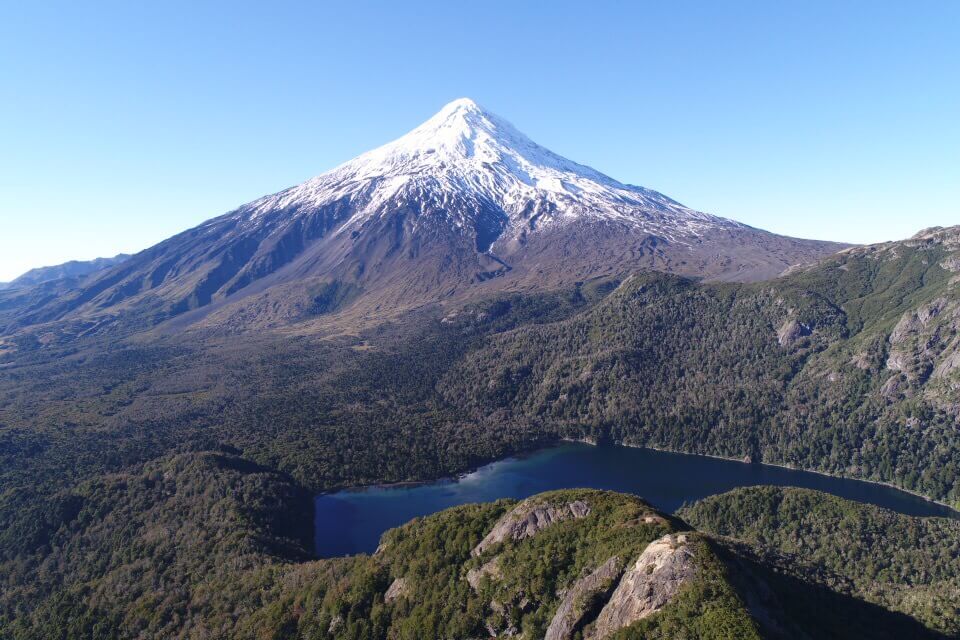
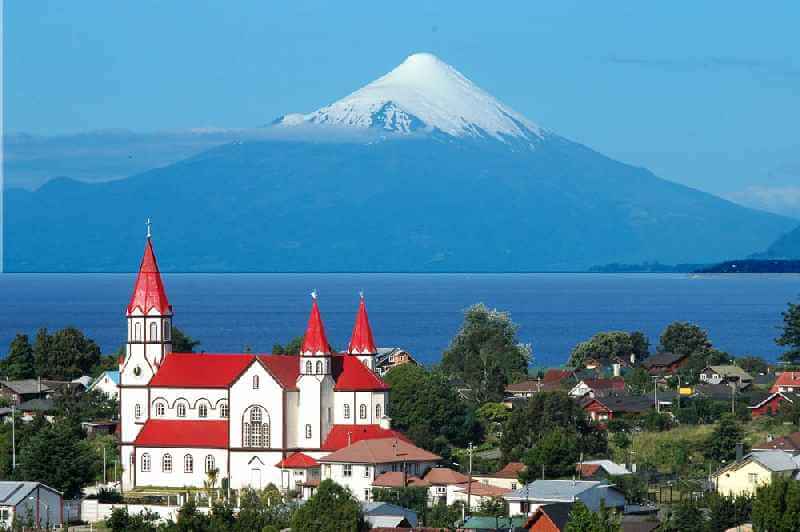
Chile's Lake District features a network of stunning glacial lakes, each with its own charm. Lake Villarrica, with its crystal-clear waters and reflection of the active Villarrica Volcano, is a favorite among visitors. Similarly, Lake Llanquihue, Chile's second-largest lake, offers sweeping views of the Osorno and Calbuco volcanoes. These towering peaks, capped with perpetual snow, provide a dramatic backdrop to the tranquil lakes.
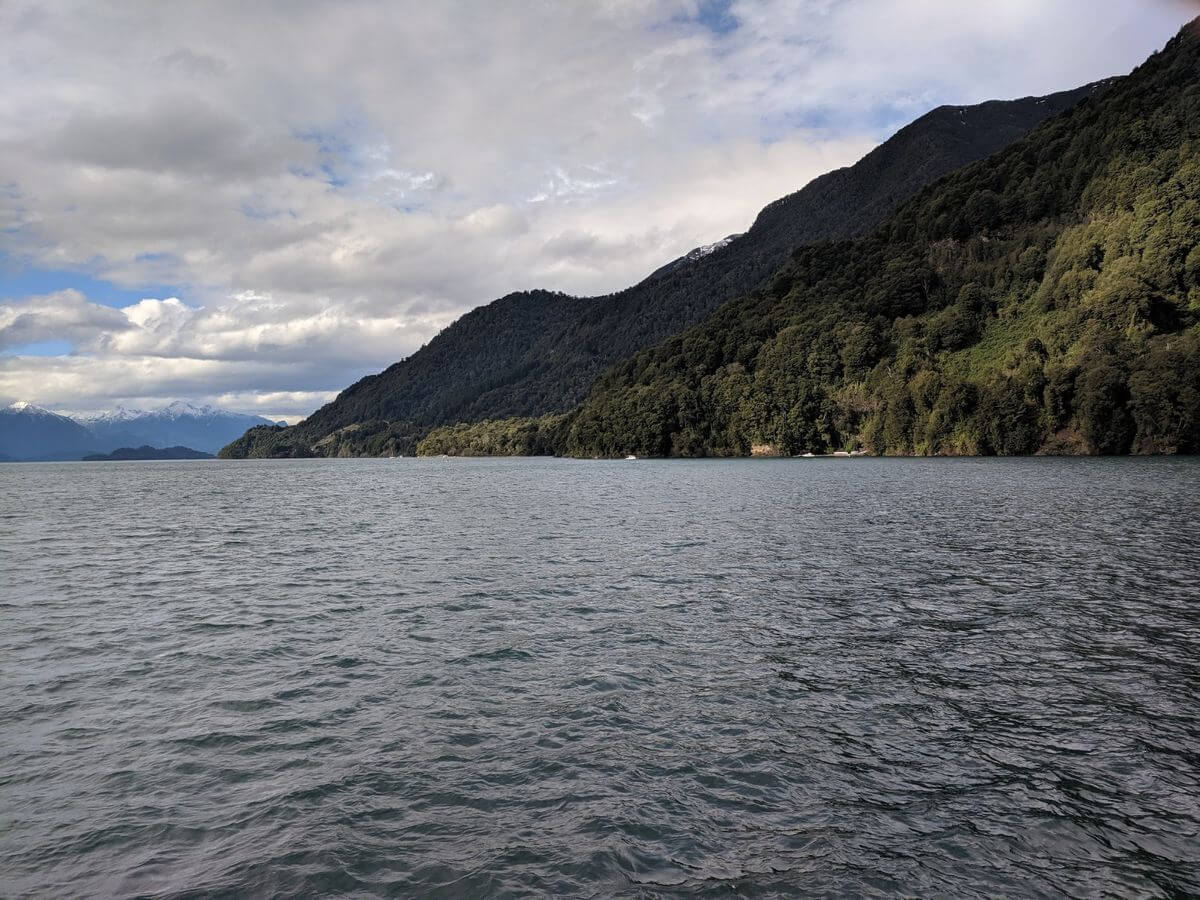
Other notable lakes include Lake Panguipulli, Lake Ranco, and Lake Puyehue, each surrounded by verdant forests and rolling hills. These lakes were formed during the last Ice Age, and their pristine waters and untouched shores create a paradise for kayaking, fishing, and sailing.
National Parks and Protected Areas
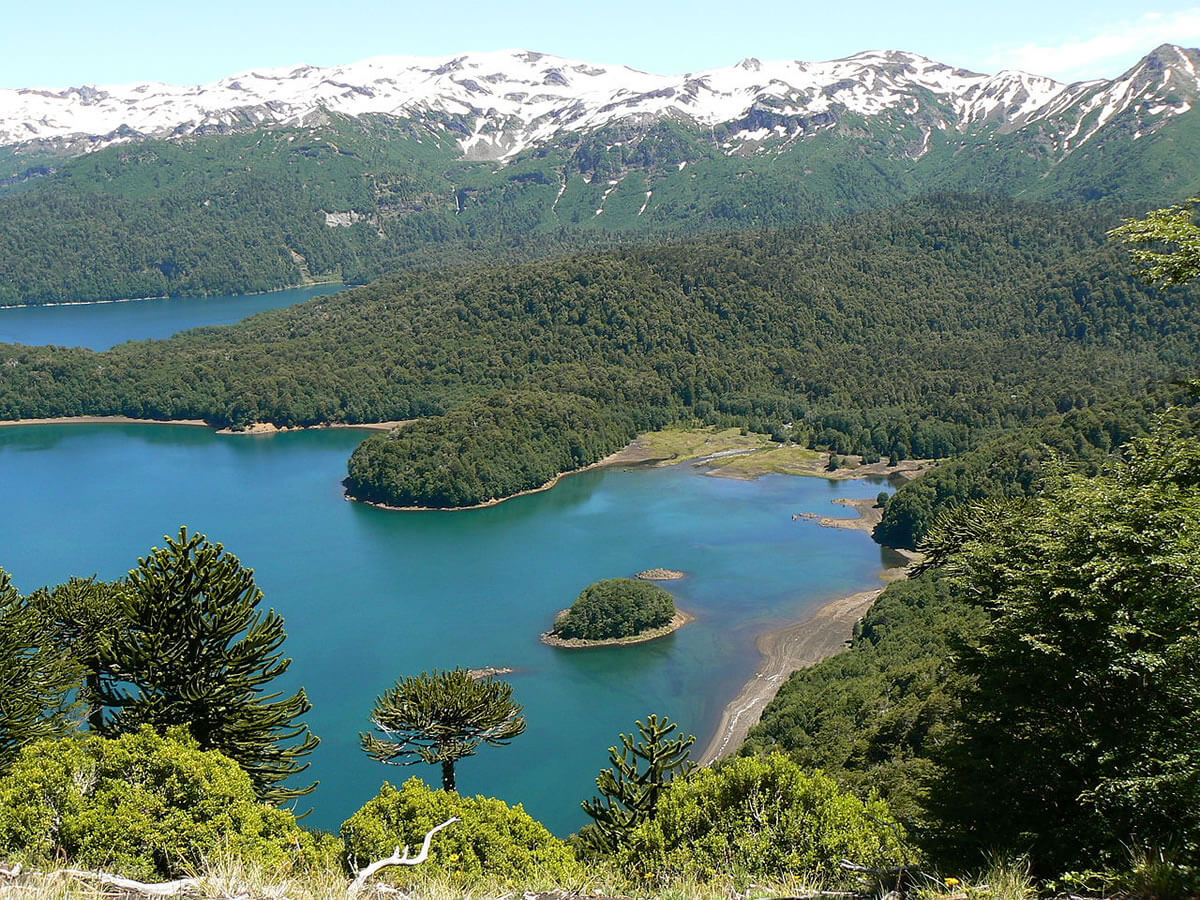
Vicente Pérez Rosales National Park, Chile's oldest national park, features the stunning Petrohué Waterfalls, lush forests, and the imposing Osorno Volcano. Conguillío National Park, known for its ancient araucaria (monkey puzzle) trees, offers a glimpse into a prehistoric landscape. Huerquehue National Park, with its serene lagoons and dense forest trails, is a haven for hikers and nature enthusiasts.
The region's biodiversity is remarkable. It hosts a variety of flora and fauna, including the elusive puma (Puma concolor), the endangered Darwin's frog (Rhinoderma darwinii), and numerous bird species, such as the black-necked swan (Cygnus melancoryphus) and the Andean condor (Vultur gryphus). Conservation efforts in the Lake District aim to preserve this rich natural heritage for future generations.
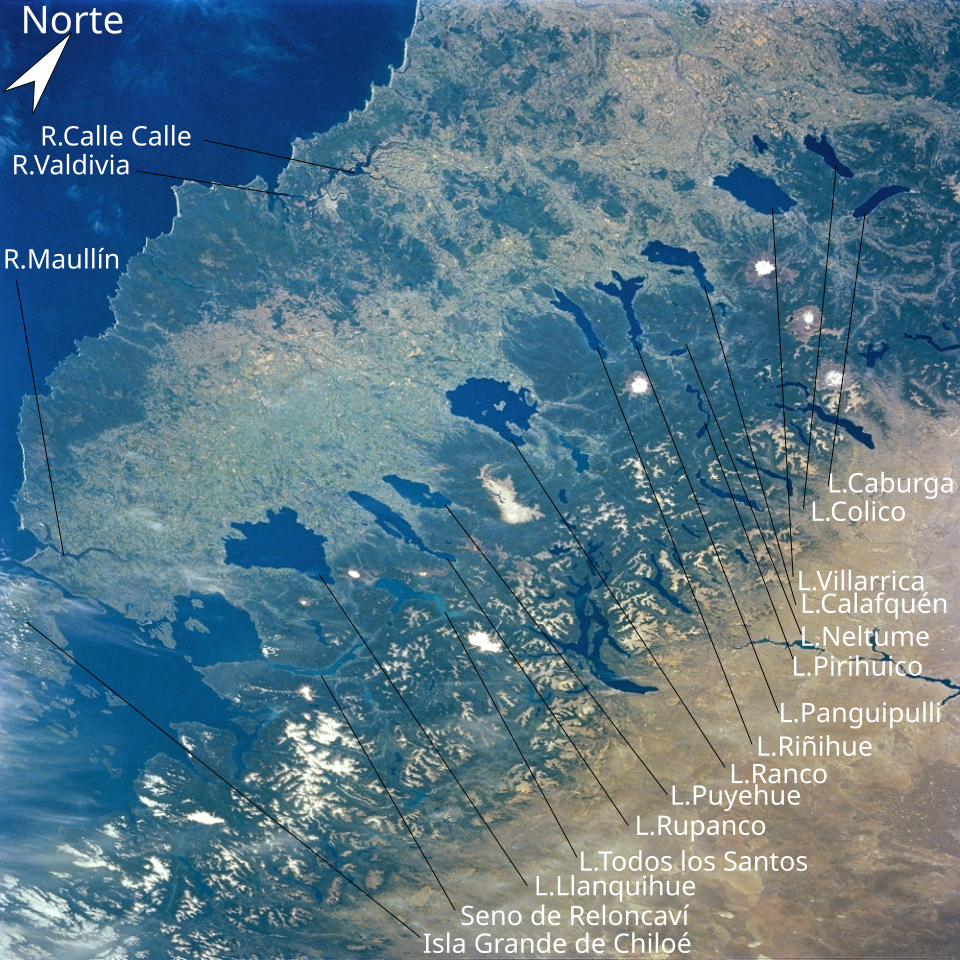
Principal lakes of the Chilean Lake District.
The Mapuche People
The Lake District is steeped in the traditions and history of the Mapuche people, Chile's largest Indigenous group, and specifically the Huilliche, a Mapuche subgroup whose traditional territory encompasses much of the Lake District itself. The Mapuche have lived in this region for centuries, and their culture remains vibrant and influential. Through community-led tours and cultural centers, visitors can learn about their customs, crafts, and culinary traditions. Traditional Mapuche ruka (houses) and ceremonies offer insights into their deep connection with nature and spiritual beliefs.
Colonial and German Influences
Beginning in 1849, the Chilean government, seeking to secure its sovereignty over the sparsely settled south, launched an official program to recruit German immigrants to the Lake District, appointing Chilean statesman Vicente Pérez Rosales, after whom the national park mentioned above is named, as its colonization agent. Between 1850 and roughly 1858, an estimated 30,000 to 40,000 German settlers arrived, founding towns including Puerto Varas and settling around Valdivia, Osorno, and the shores of Lake Llanquihue; among the earliest and most notable was Karl Anwandter, a participant in the 1848 revolutions in Prussia who settled in Valdivia in 1850.
This colonization came at a direct cost to the region's Mapuche-Huilliche inhabitants and its landscape alike. In 1851, Pérez Rosales ordered a Huilliche man named Pichi Juan to set fire to the Chan Chan forest at multiple points specifically to clear land for the incoming German settlers, one of several such episodes through which Indigenous land was cleared and reallocated during this period. The colonization of the Lake District unfolded alongside. It was soon followed by the broader and more violent Chilean military campaign known as the Occupation of Araucanía (1861-1883), which forcibly incorporated Mapuche territory further north into the Chilean state. Towns like Frutillar, Puerto Varas, and Valdivia still reflect the German settlers' legacy today, with charming wooden houses, vibrant gardens, and a thriving café culture; the annual Frutillar Musical Weeks festival, set against the backdrop of Lake Llanquihue, celebrates this cultural fusion through classical music and performances.
Outdoor Activities
The Lake District is a playground for outdoor enthusiasts, offering hiking, climbing, and skiing. The Villarrica Volcano, one of the most accessible active volcanoes in the world, attracts climbers seeking to reach its summit and peer into its molten crater. Winter sports enthusiasts flock to ski resorts like Pucón and Antillanca, which provide excellent facilities for skiing and snowboarding.
Water-based activities are equally popular, with kayaking, paddleboarding, and white-water rafting opportunities on the region's rivers and lakes. The Petrohué River, in particular, is renowned for its thrilling rapids and scenic beauty.
Wellness and Relaxation
The Lake District is also a haven for relaxation, with numerous hot springs and spas scattered throughout the region. The Termas Geométricas near Coñaripe and the Termas de Puyehue offer rejuvenating experiences in natural thermal pools surrounded by lush forests and volcanic landscapes. These hot springs provide a perfect balance to the region's adventurous offerings.
Gastronomy and Local Flavors
Chile's Lake District cuisine reflects its diverse cultural influences and abundant natural resources. Traditional Mapuche dishes such as catuto (a type of bread) and muday (fermented drink) offer a taste of Indigenous heritage. German-inspired pastries like kuchen and torta de mil hojas are local favorites, often enjoyed with a cup of coffee overlooking a picturesque lake.
Seafood is a staple in the region, with fresh salmon, trout, and shellfish prominently featured in local dishes. The region's fertile soil also supports high-quality berries, apples, and honey, adding to its culinary richness.
Modern Development and Sustainable Tourism
Efforts to balance development with conservation have made the Lake District a model for sustainable tourism. Eco-lodges, organic farms, and locally guided tours promote environmental stewardship while offering visitors an authentic experience. Initiatives to protect Indigenous lands and support local communities ensure that tourism benefits the region's residents and preserves its cultural integrity.
Conclusion
Chile's Lake District is a realm of extraordinary beauty and layered history. Its glacial lakes, towering volcanoes, and lush forests, the same forests covered in ecological depth in our Valdivian Temperate Forests article, form a stunning natural canvas, while its Mapuche-Huilliche roots and 19th-century German colonization weave a more complicated narrative than the postcard image alone suggests. As a destination that balances adventure, relaxation, and cultural exploration, the Lake District remains one of Chile's most treasured regions, where beauty and history are, on closer look, inseparable.