
Machu Picchu: Where Stone Dreams Meet Cloud Forest Mysteries
High above the Urubamba Valley stands Machu Picchu—perhaps the most enigmatic human achievement. From its precisely engineered terraces to its role as guardian of numerous species, Machu Picchu is a masterpiece where human ingenuity harmonized with Earth's biodiversity.
The Sacred Citadel: Decoding Machu Picchu's Architectural and Ecological Legacy
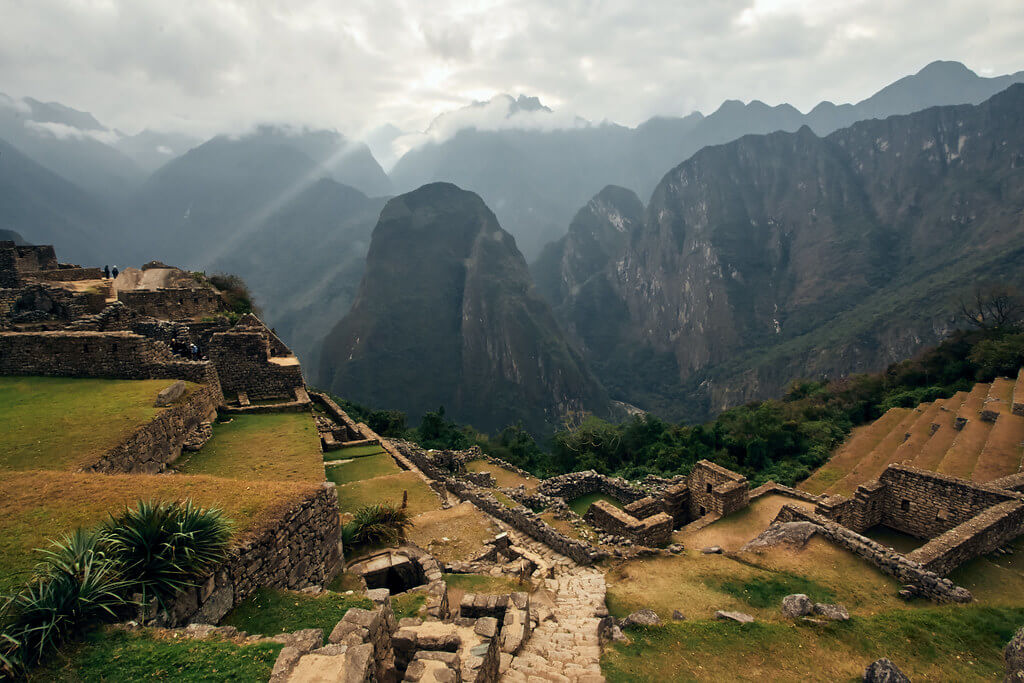
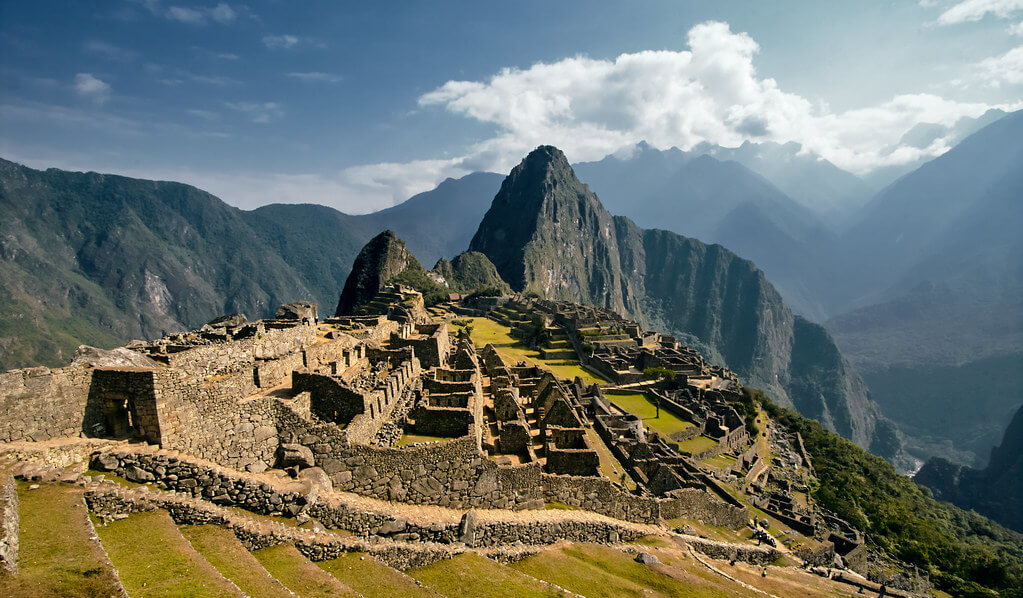
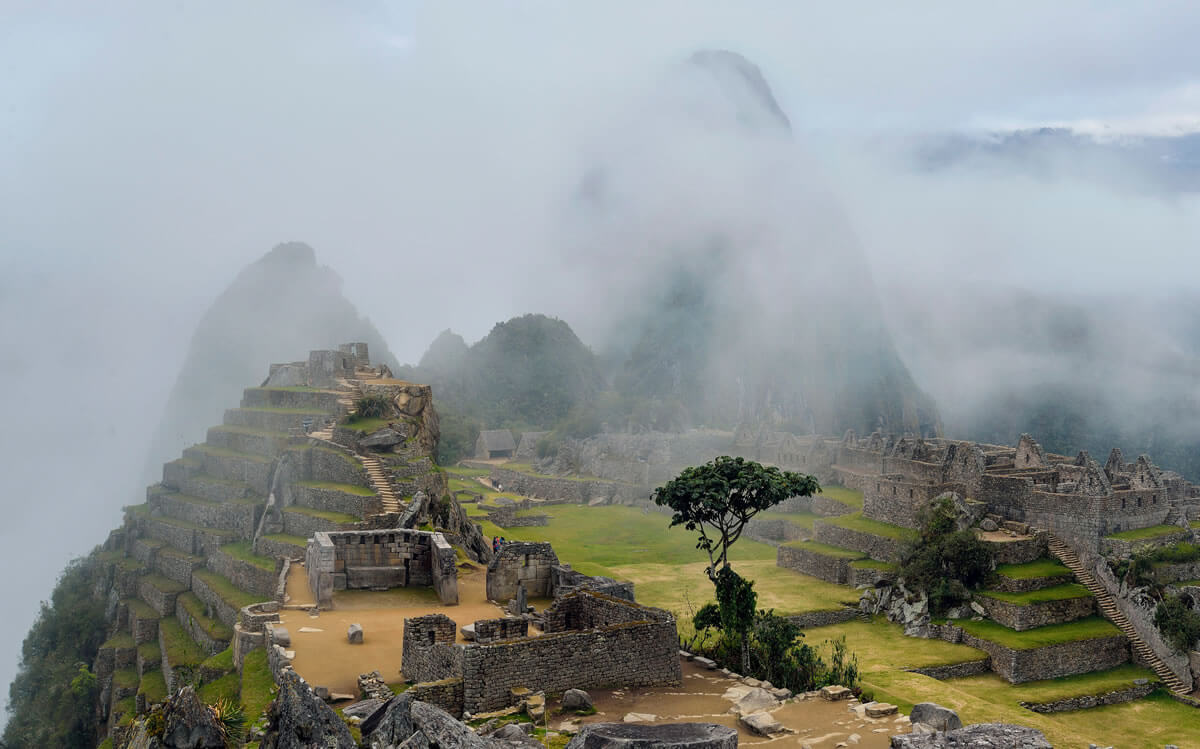
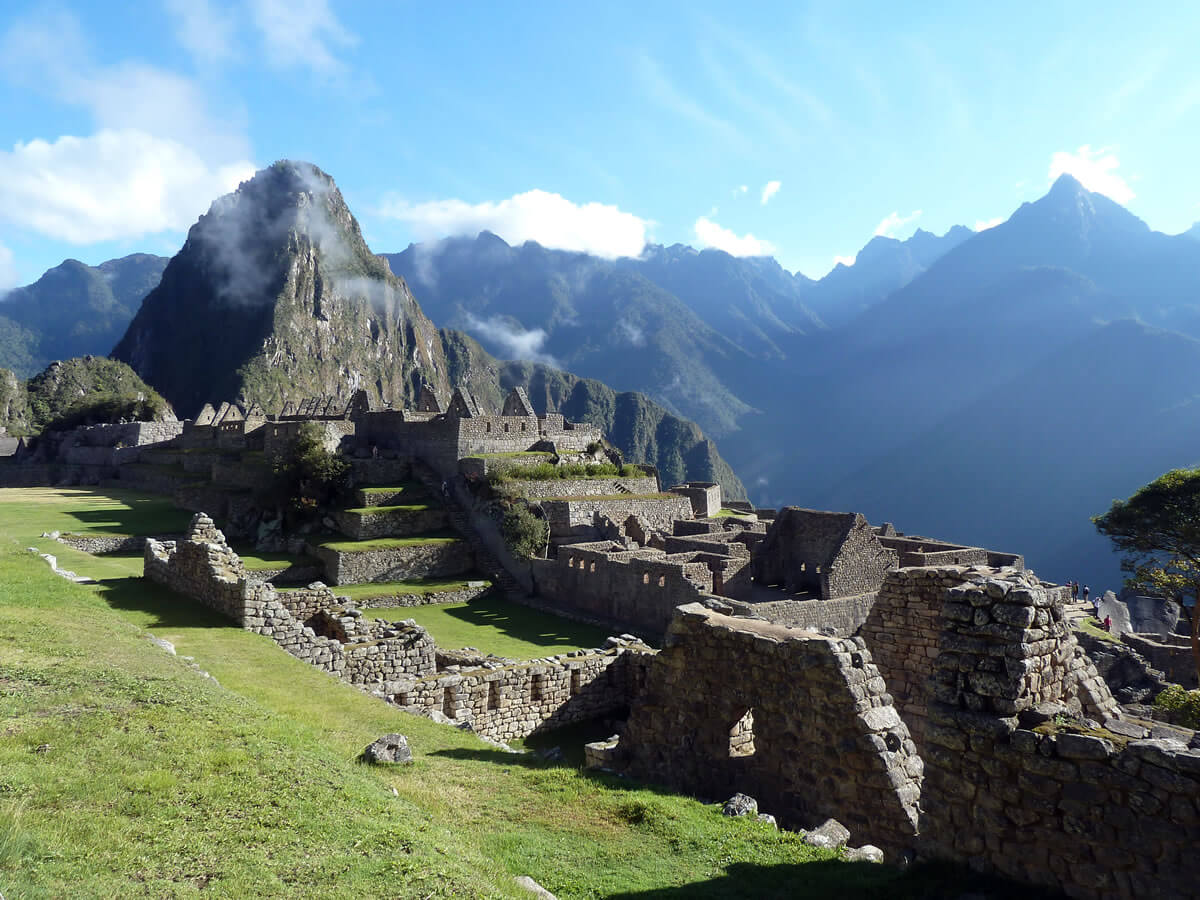
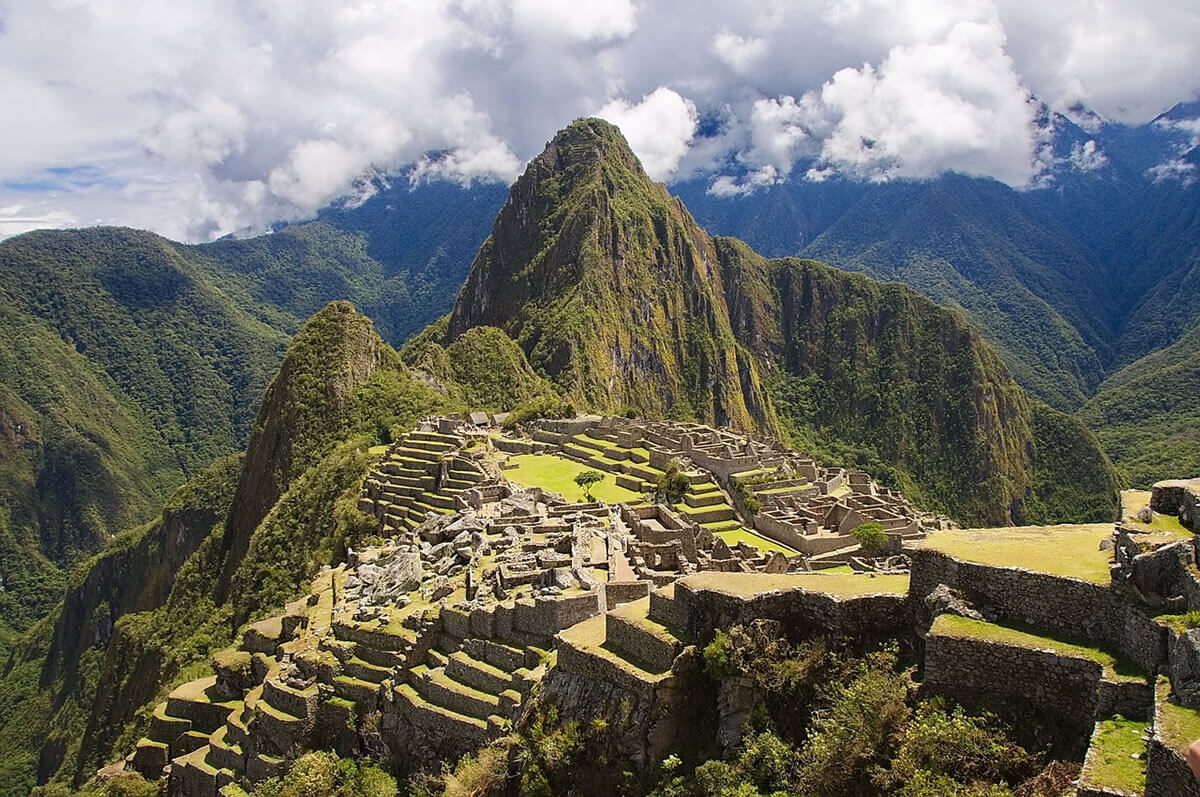
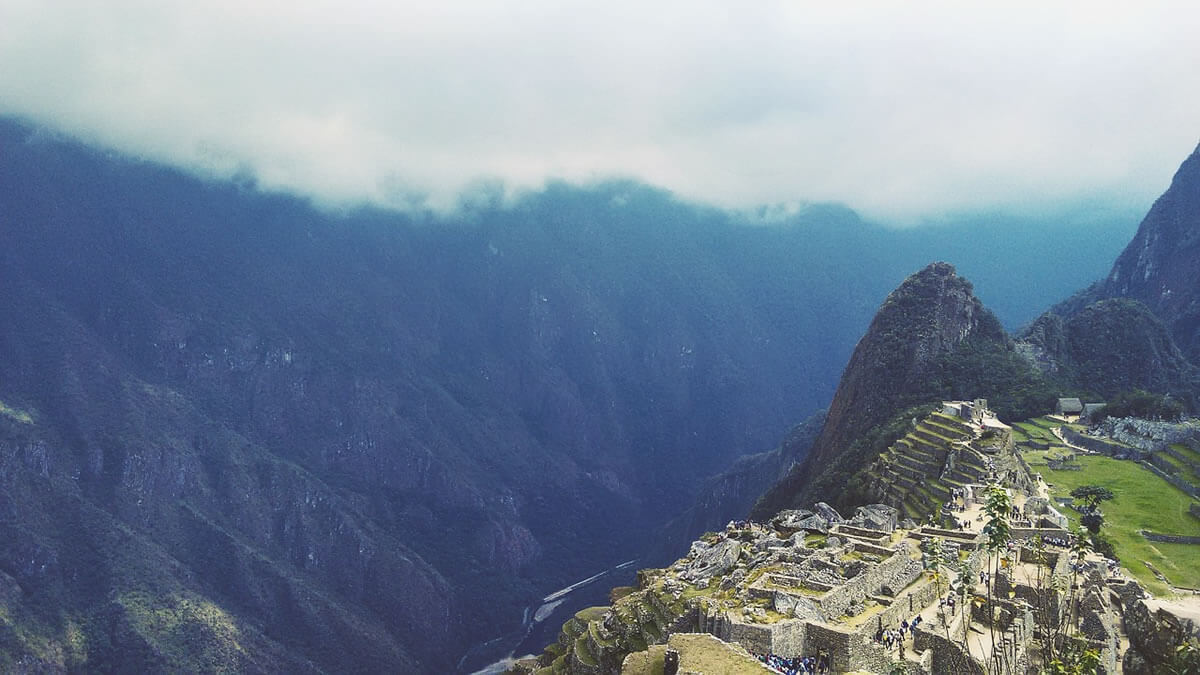
High above the sacred Urubamba Valley, where Andean peaks pierce morning clouds and ancient mists carry whispers of forgotten ceremonies, stands Machu Picchu—perhaps the most enigmatic architectural achievement in human history. At 2,430 meters (7,970 feet) above sea level, this stone citadel appears to float between Earth and sky, its granite walls rising organically from the mountain ridge like a geological formation shaped by divine hands rather than human tools.
Yet recent archaeological discoveries challenge our understanding of this "Lost City of the Incas." LiDAR technology has revealed over 12 previously unknown structures hidden beneath centuries of dense jungle growth, suggesting that what visitors see today represents only a fraction of an originally much larger complex. These findings, emerging from cutting-edge laser technology in 2024-2025, are fundamentally reshaping how scholars interpret this UNESCO World Heritage site.
Beyond the Lost City Myth
The romantic notion of Machu Picchu as a "lost city" discovered by American explorer Hiram Bingham in 1911 has long captivated popular imagination. However, recent research reviewing Bingham's original field notes, early 20th-century maps, and centuries-old land documents suggests that less was known about the site than was previously thought. Local Indigenous peoples never lost knowledge of the site, and archaeological evidence now confirms that Machu Picchu was built as a palace that was part of a larger royal estate belonging to the Inca emperor Pachacuti (reigned ca. 1420–1472).
This revelation transforms our understanding from viewing Machu Picchu as an isolated mountain stronghold to recognizing it as the crown jewel of an extensive royal complex. A team of retainers—skilled workers including craftspeople and religious specialists—maintained the estate year-round while the emperor and his entourage resided in the capital of Cuzco, 45 miles away. The implications are profound: rather than a mysterious abandoned city, Machu Picchu functioned as a living administrative and spiritual center within a sophisticated imperial system.
Engineering Harmony with Nature
The architectural genius of Machu Picchu lies not merely in its monumental scale but in its seamless integration with the natural environment. The Inca builders, working without iron tools, wheeled vehicles, or large draft animals, achieved something that continues to mystify modern engineers. Using bronze implements and precisely orchestrated human labor, they transported massive granite blocks up treacherous mountain paths. They fitted them together with such precision that not even a knife blade can slip between the joints.
The citadel's urban planning reflects a profound understanding of both engineering principles and spiritual symbolism. The site is divided into distinct sectors: the agricultural zone, featuring its remarkable terraced fields, and the urban sector, which includes temples, residential buildings, and ceremonial spaces. These terraces, carved into precipitous slopes, served multiple functions beyond food production. They prevented soil erosion, managed water runoff, and created microclimates that allowed the cultivation of crops from different ecological zones within a compact area.
Water management throughout Machu Picchu demonstrates the Inca mastery of hydraulic engineering. A sophisticated network of channels, fountains, and drainage systems has continued to function for five centuries, directing rainwater through the city while preventing the flooding and structural damage that could result from the region's intense seasonal precipitation. The main fountain, fed by a natural spring, provided fresh water to the religious and residential areas, while overflow channels carried excess water to irrigate the agricultural terraces below.
Astronomical Observatory in Stone
Machu Picchu served as far more than an administrative center; it functioned as a precisely calibrated astronomical instrument embedded in the landscape. The Temple of the Sun, with its curved wall and carefully positioned windows, aligns perfectly with the winter solstice sunrise. During this pivotal moment in the Andean calendar, sunlight streams through the temple's eastern window to illuminate a granite altar, marking the beginning of the agricultural year and reaffirming the emperor's divine connection to Inti, the sun god.
The Intihuatana stone—whose Quechua name translates as "hitching post of the sun"—represents perhaps the most sophisticated example of Inca astronomical architecture. This precisely carved granite outcrop functions simultaneously as a sundial, calendar, and altar. Throughout the year, shadows cast by the stone track the sun's movement across the sky, allowing priests to determine solstices, equinoxes, and optimal timing for agricultural and ceremonial activities. The stone's multiple planes and angles capture and reflect light in ways that create different shadow patterns for each season, transforming the entire monument into a three-dimensional calendar.
The Room of the Three Windows, positioned to capture the first rays of dawn, may represent the three worlds of Inca cosmology: the underworld (Uku Pacha), the earthly realm (Kay Pacha), and the celestial sphere (Hanan Pacha). This architectural symbolism reinforced the site's role as a place where the earthly and divine realms intersected, allowing the emperor to commune with ancestors and celestial deities while overseeing his terrestrial domain.
Guardian of Extraordinary Biodiversity
Machu Picchu's significance extends far beyond its archaeological importance; the site serves as guardian to one of South America's most biodiverse ecosystems. The entire protected area of the Machu Picchu Historic Sanctuary conserves great Andean and Amazonian biodiversity, including 384 species of trees, 468 orchids, 279 ferns, 84 species of mammals, 443 birds, 17 amphibians, and 22 reptiles.
The citadel sits within a cloud forest ecosystem, a rare environmental zone where ecology is extremely diverse as it includes ten wildlife zones, from the low, dry mountain forest (by the side of the valley) to the level of the mountain range summits, climbing from 1,725 meters (5,659 feet) at the level of the Urubamba River, up to 6,271 meters (20,574 feet) at snowy Salkantay's summit. This dramatic altitudinal range creates multiple ecological niches within a relatively small geographic area.
Among the sanctuary's botanical treasures, over 2,300 plant species thrive, including many orchids and begonias, with native trees like the Q'euña (Polylepis racemosa), intimpa (Podocarpus oleifolius), and pisonay (Erythrina edulis) supporting local wildlife. The cloud forest environment, characterized by persistent mist and high humidity, provides ideal conditions for epiphytes—plants that grow on other plants without parasitizing them. More than 420 species of orchids (many of them endemic) create landscapes decorated by a huge number of ornamental plants.
The fauna of Machu Picchu includes several flagship species that capture conservation attention. The Historic Sanctuary stands out for its biodiversity; its lands are home to species such as the spectacled bear (Tremarctos ornatus), Andean deer (Hippocamelus antisensis), and a wide variety of flora. The sanctuary hosts 582 different species of animals, where 42 are only found in this region, and over 300 species of butterflies that cannot be seen anywhere else in the world.
Recent Revelations and Hidden Complexes
The application of modern technology to Machu Picchu archaeology has yielded extraordinary results. Breakthrough discoveries using drone-mounted LiDAR systems have unveiled hidden ceremonial complexes, sophisticated water management systems, and residential areas that suggest Machu Picchu was far larger than previously understood. These discoveries challenge the traditional view of the site as primarily a royal retreat, suggesting instead a much more complex urban center with multiple specialized districts.
Research into the people who built and maintained Machu Picchu has also made significant advancements. In 1912, explorer Hiram Bingham excavated the burials of more than 100 retainers outside the palace walls, and recent analysis of these remains has revealed new insights into the diverse origins of Machu Picchu's workforce. The specialized artisans, priests, and administrators who maintained the royal estate came from various regions of the empire, bringing diverse skills and cultural traditions that enriched the site's cosmopolitan character.
Living Heritage and Modern Challenges
Today, Machu Picchu faces the complex challenge of balancing preservation with accessibility. The site receives over one million visitors annually, placing enormous pressure on its fragile stone structures and delicate ecosystem. Strict visitor limits, implemented in coordination with UNESCO, attempt to balance tourism revenue with conservation needs, but the pressures continue to mount.
Climate change poses additional threats to both the archaeological structures and the surrounding ecosystem. Changing precipitation patterns affect the ancient drainage systems, while rising temperatures alter the cloud forest environment that has remained stable for millennia. The delicate balance between human heritage and natural heritage requires increasingly sophisticated management strategies.
Conservation efforts extend beyond managing tourist impact. Ongoing archaeological research continues to reveal new aspects of the site, while structural monitoring ensures the stability of ancient walls and terraces. The integration of traditional Andean conservation knowledge with modern scientific techniques offers the most promising path for long-term preservation.
The Eternal Mystery
Despite decades of research and recent technological advancements, Machu Picchu remains shrouded in mystery. The site embodies a worldview that seamlessly integrates human achievement with natural systems, spiritual practice with practical engineering, and imperial power with environmental stewardship. The Inca created not merely a monument but a living system that functioned harmoniously within one of Earth's most complex ecosystems.
As we continue to uncover new secrets hidden within the cloud forest, Machu Picchu reminds us that the greatest architectural achievements arise not from dominating nature but from understanding and working with natural systems. The citadel's enduring power lies not only in its stunning visual impact but in its demonstration that human societies can create lasting beauty while nurturing the natural world that sustains them.
In the interplay of morning mist and ancient stone, in the precise alignment of temples with celestial movements, in the persistence of springs that still flow through channels carved five centuries ago, Machu Picchu continues to offer lessons about the possibilities that emerge when human vision embraces rather than conquers the natural world. The mountain citadel stands as an eternal testament to what civilizations can achieve when they build not against nature, but as part of it.