
The Valley of Mexico: Where Ancient Civilizations Thrived
The Valley of Mexico is a closed basin that has been a focal point of human settlement and cultural development for thousands of years. Its fertile volcanic soils have attracted and sustained complex societies, leaving an indelible mark on Mesoamerica's history and heritage.
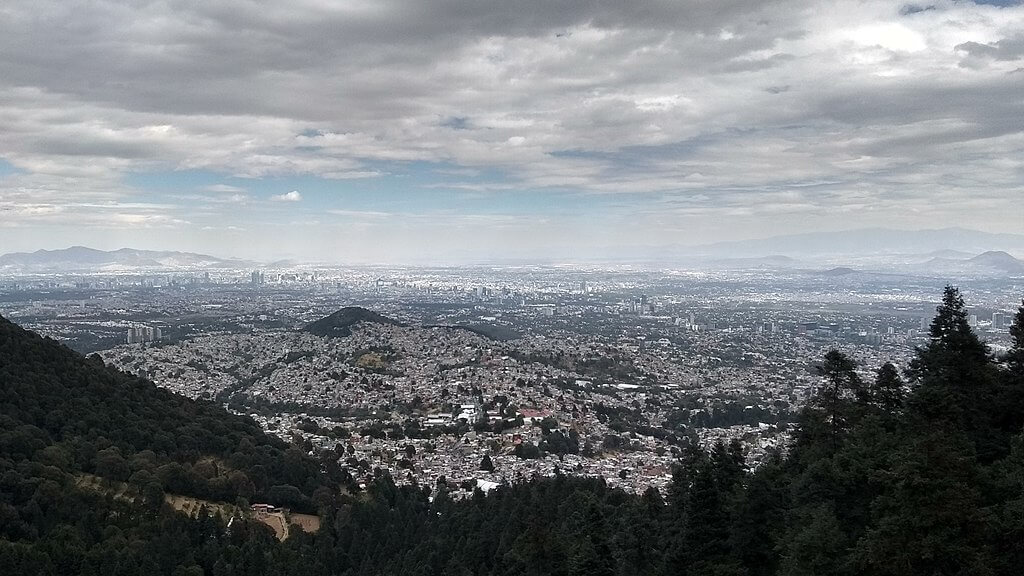
From Teotihuacán to Mexico City: The Timeless Legacy of the Valley of Mexico
Nestled within the Trans-Mexican Volcanic Belt, the Valley of Mexico, also known as the Basin of Mexico, is a landscape shaped by nature and human ingenuity. Encircled by towering volcanic peaks like Popocatépetl and Iztaccíhuatl, this closed basin has been a focal point of human settlement and cultural development for thousands of years. With its average elevation of 2,200 meters (7,200 feet) and fertile volcanic soils, the valley has attracted and sustained complex societies that have left an indelible mark on the history and heritage of Mesoamerica. From the ancient city of Teotihuacán to the majestic capital of the Aztec Empire, the Valley of Mexico has been the cradle of civilization and a cultural epicenter, and today, it continues to thrive as the vibrant heart of Mexico.
Geographical Formation and Natural Features
Volcanic Origins
The Valley of Mexico owes its existence to the volcanic activity that shaped the region over millions of years. The eruptions of ancient volcanoes formed a closed basin with no natural drainage outlets, creating several interconnected lakes. Nestled within the southern portion of the Mesa Central, a section of the much larger Mexican Plateau, the valley's unique topography, fertile volcanic soils, and abundant freshwater sources made it an ideal location for early human settlement. The surrounding mountain ranges, including the Sierra Madre, further define the valley's boundaries, creating a natural basin that supports a rich and diverse ecosystem.
A Landscape of Lakes and Fertile Plains
Historically, the Valley of Mexico was characterized by a network of lakes, with Lake Texcoco being the most prominent. These lakes were crucial in developing agriculture, transportation, and urban planning. The fertile plains and the presence of water facilitated the growth of crops and the establishment of thriving civilizations. Over time, the valley's lakes were modified by human intervention, creating canals, causeways, and chinampas (floating gardens) that enhanced agricultural productivity and supported large urban populations. The valley's natural beauty, framed by the imposing silhouettes of Popocatépetl and Iztaccíhuatl, provided a stunning backdrop to the cultural and historical developments that unfolded within this region.
A Cultural Epicenter and Cradle of Civilization
Early Human Settlements
The Valley of Mexico has been a center of human activity since the early Holocene period, with archaeological evidence suggesting human presence dating back to the Pleistocene era. Over millennia, various indigenous groups established settlements in the valley, attracted by its fertile land and abundant resources. By the 1st century CE, the Teotihuacanos emerged as the dominant civilization, establishing the city of Teotihuacán, known for its grand pyramids, sophisticated urban planning, and cultural influence throughout Mesoamerica. The city's Pyramid of the Sun, Pyramid of the Moon, and the Avenue of the Dead are architectural marvels that reflect the advanced knowledge and religious beliefs of the Teotihuacanos.
The Rise of the Aztec Empire
Following the decline of Teotihuacán, the Valley of Mexico experienced a period of political upheaval, paving the way for the rise of the Aztec Empire. The Nahuatl-speaking Aztecs founded their capital, Tenochtitlan, on an island in the middle of Lake Texcoco in 1325. Tenochtitlan quickly became a mighty, sophisticated metropolis with impressive temples, palaces, and public buildings. The city's layout was meticulously planned, with causeways connecting it to the mainland, a network of canals facilitating transportation, and chinampas providing agricultural sustenance. The Aztec capital became a hub of political power, economic activity, and cultural expression, showcasing its inhabitants' engineering prowess and urban planning skills.
Historical and Cultural Landmarks
Teotihuacán: City of the Gods
Teotihuacán, located in the northeastern part of the Valley of Mexico, is one of the most significant archaeological sites in the region. At its height, Teotihuacán was a major urban center with over 100,000 people. The city's monumental architecture, including the Pyramid of the Sun, the Pyramid of the Moon, and the Temple of the Feathered Serpent, reflects its builders' religious and cosmological beliefs. Teotihuacán's influence extended far beyond the valley, shaping Mesoamerica's cultural and political landscape for centuries.
Tenochtitlan: The Jewel of the Aztec Empire
Tenochtitlan, the capital of the Aztec Empire, was a masterpiece of urban planning and engineering. Built on a series of islands in Lake Texcoco, the city was connected to the mainland by three main causeways and featured an intricate system of canals that served as thoroughfares. The Templo Mayor dominated the city's center, a large pyramid dedicated to the Aztec gods Huitzilopochtli and Tlaloc. Surrounding the Templo Mayor were palaces, administrative buildings, and bustling marketplaces, making Tenochtitlan a vibrant center of trade, religion, and governance.
Chapultepec: A Historic Hill of Many Uses
Chapultepec, meaning "Grasshopper Hill" in Nahuatl, is a prominent natural feature in the Valley of Mexico. Historically, Chapultepec served as a sacred site for indigenous peoples and later became a strategic location for rulers seeking to control the region. During the Aztec period, Chapultepec was an essential source of fresh water, with aqueducts bringing water from its springs to Tenochtitlan. In the colonial era, Chapultepec Castle was built on the hill, serving as a residence for Mexican emperors and later as the official residence of the President of Mexico. Today, Chapultepec is a major cultural and recreational area, home to museums, parks, and historical monuments.
Mexico City: The Modern Metropolis
Continuity of Civilization
The Valley of Mexico is home to Mexico City, the capital of Mexico and one of the world's largest and most populous cities. Mexico City stands on the site of the ancient Aztec capital, Tenochtitlan, with its historic center still preserving the layout of the pre-Hispanic city. The Zócalo, the city's main square, sits atop the ruins of the Templo Mayor, symbolizing the continuity of civilization and the blending of ancient and modern cultures. Mexico City's vibrant culture, diverse population, and rich history make it a dynamic urban center that continues to shape the national identity of Mexico.
Challenges of Urbanization
While the Valley of Mexico has been a cradle of civilization, it also faces contemporary challenges. Rapid urbanization, population growth, and industrialization have placed significant pressure on the region's natural resources, particularly its water supply. The historic lakes that once defined the valley's landscape have been largely drained or reduced in size due to urban expansion and water management projects. Environmental conservation efforts are underway to restore some of the valley's ecological integrity, manage air and water quality, and preserve its cultural heritage. Balancing the demands of modern urban life with the need to protect the valley's natural and historical assets remains a critical challenge for the future.
Conclusion
The Valley of Mexico has been a cradle of civilization for millennia with its rich volcanic soils, strategic location, and abundant resources. From the rise of the Teotihuacanos to the grandeur of the Aztec Empire and the thriving metropolis of modern Mexico City, the valley has been a center of cultural, political, and economic power. Its iconic landmarks, such as Teotihuacán, Tenochtitlan, and Chapultepec, witness the enduring legacy of the people who have called this region home. Today, as Mexico City continues to grow and evolve, the Valley of Mexico remains a symbol of the nation's rich history and cultural diversity, underscoring the need for sustainable development that honors its past while looking toward the future.
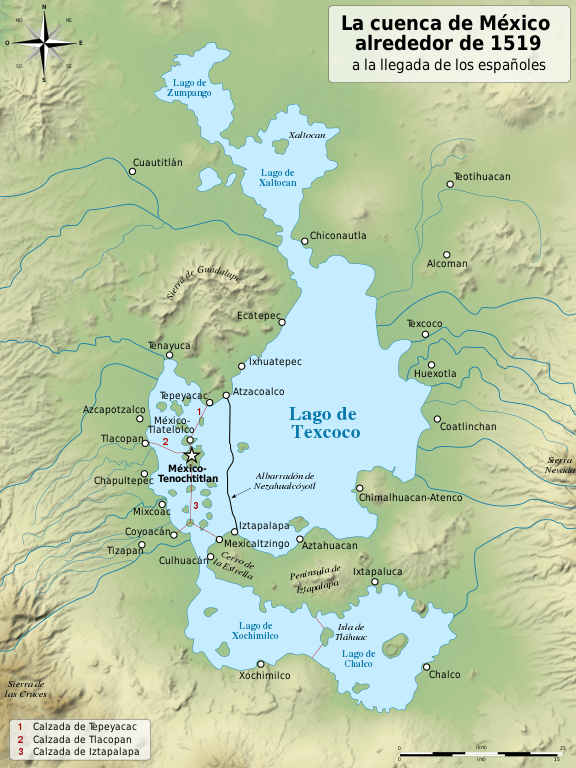
Map of the basin of Mexico circa 1519, at the arrival of the Spanish.