
The Semi-Arid Heart of Chile: Ecology, Agriculture, and Astronomy in the Norte Chico
Chile's Norte Chico, the "Near North," features semi-arid climates, distinctive valleys, endemic biodiversity, and a rich history tied to agriculture and mineral extraction. Its landscapes, ranging from foggy coastlines to fertile valleys and the slopes of the Andes, reveal Chile's ecological and geographical gradients.
Between Desert and Mediterranean: Exploring the Unique Character of Chile's Near North
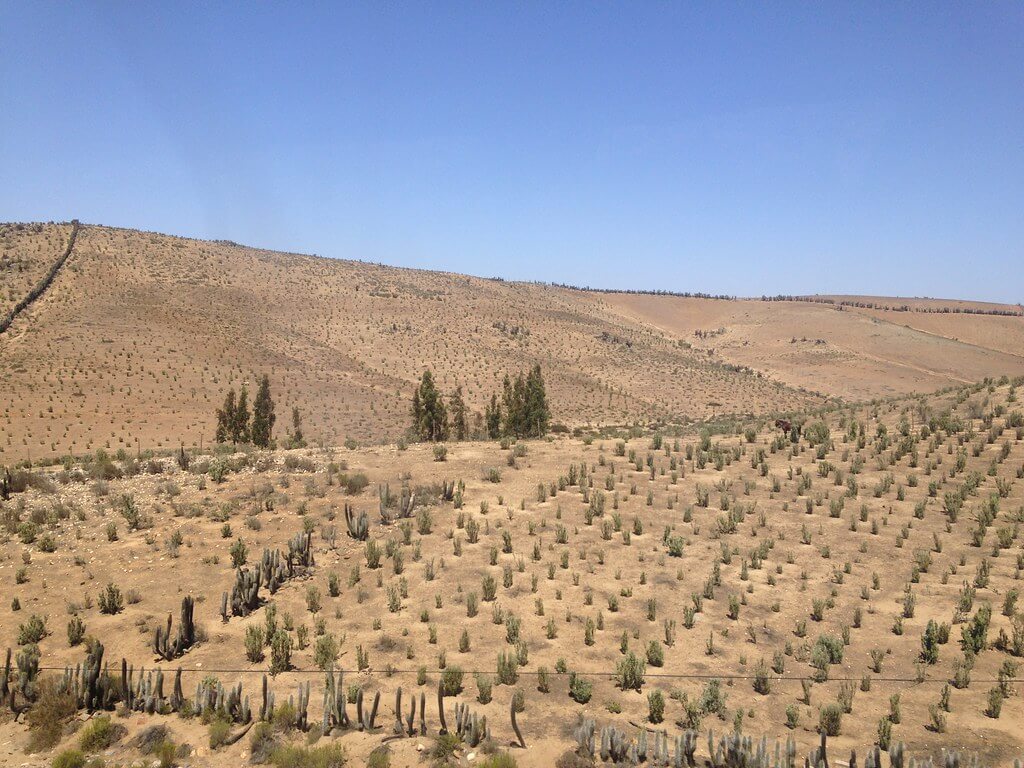
Chile's Norte Chico, the "Near North," represents a vital transitional zone extending southward approximately 500 kilometers (310 miles) from the arid boundary marked by the Copiapó River to the more temperate areas of the Aconcagua River. Recognized in 1950 as one of continental Chile's five distinct natural regions by the Corporación de Fomento de la Producción (CORFO), this area showcases a compelling shift from the hyperaridity of the Norte Grande to the Mediterranean-like conditions characteristic of the central zone. The Norte Chico is a complex tapestry woven from semi-arid climates, distinctive transverse valleys, unique and often endemic biodiversity, and a rich history closely tied to both agricultural endeavors and mineral extraction. Its landscapes, ranging from fog-laden coastlines to fertile inland valleys and the western slopes of the Andes, provide a nuanced understanding of the ecological and geographical gradients that define Chile.
A Climate in Transition: The Delicate Balance of Aridity and Moisture
The climate of the Norte Chico is primarily semi-arid, marking a significant departure from the extreme and persistent dryness of its northern neighbor. Although rainfall is limited compared to regions further south, it exhibits greater consistency, with most precipitation falling during the cooler winter months. This seasonal rainfall, while often light, is vital for sustaining the region's unique ecosystems and agricultural practices. The pervasive influence of the Pacific Ocean continues to play a crucial role in moderating temperatures, resulting in milder annual averages and reduced diurnal temperature fluctuations compared to the harsh extremes experienced in the Norte Grande.
The coastal fog, locally known as "camanchaca," persists as a critical source of moisture, particularly along the immediate coastline and the lower slopes of the coastal ranges. This dense fog, driven inland by prevailing winds, condenses on vegetation, providing a vital supplementary water source for specialized plant communities that have adapted to exploit this atmospheric humidity. Inland, the distinctive transverse valleys benefit from slightly enhanced precipitation, augmented by snowmelt and seasonal runoff originating from the Andean foothills, creating localized zones of greater humidity that support more intensive agricultural activities.
Topographical Diversity: The Defining Role of Transverse Valleys
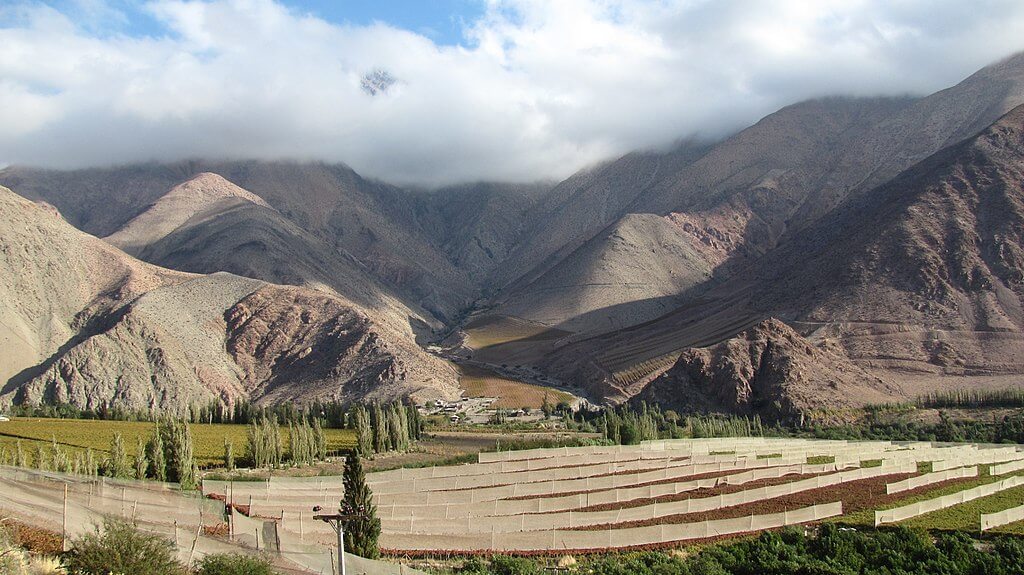
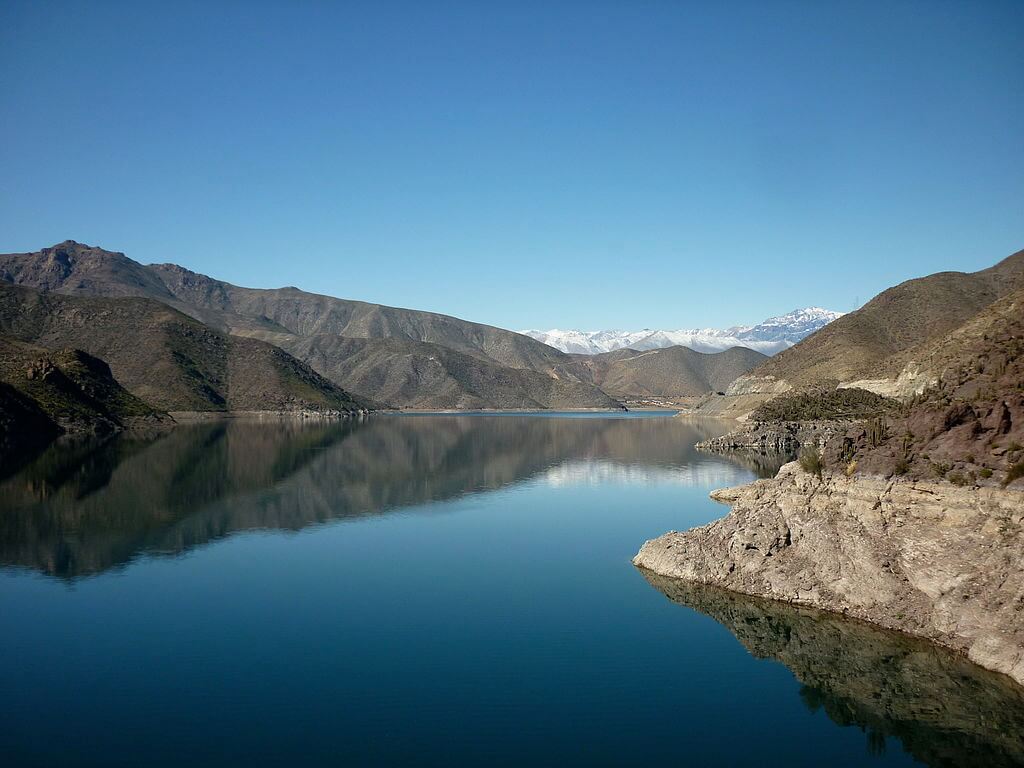
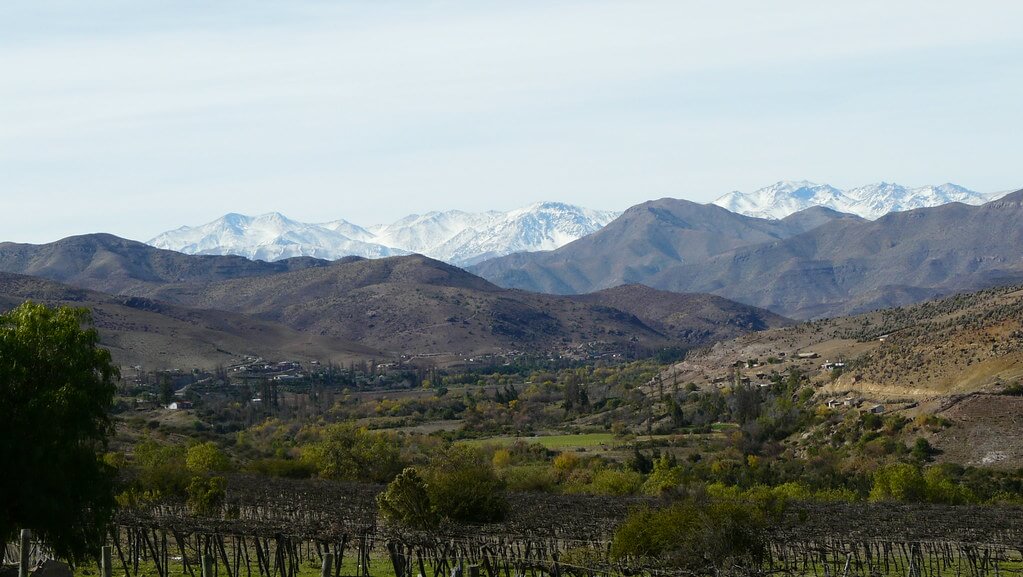
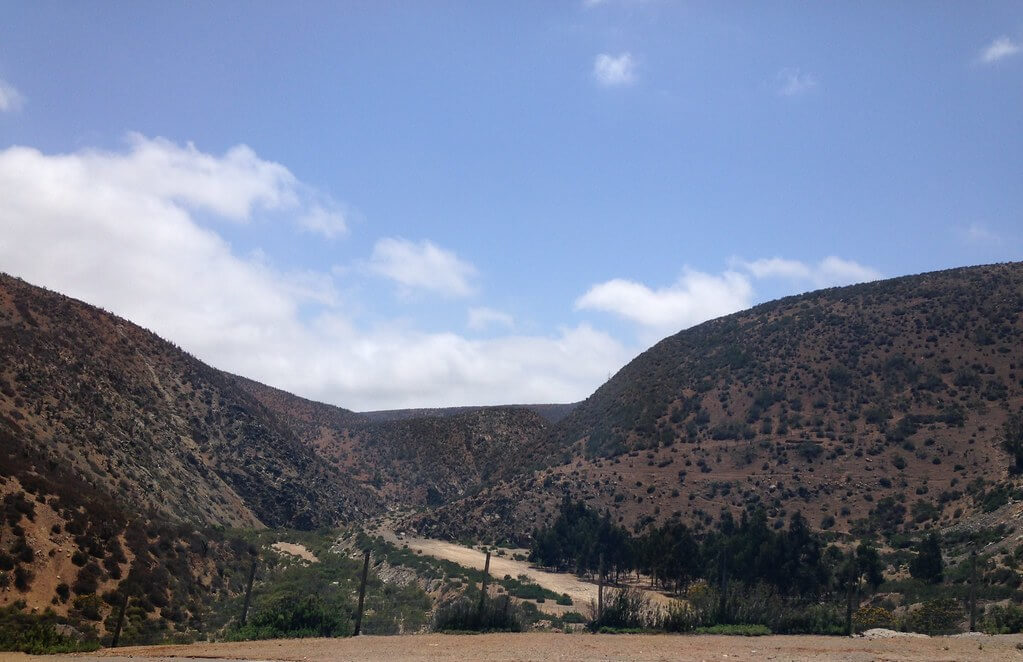
The topography of the Norte Chico is notably characterized by the presence of transverse valleys. These geological features, oriented roughly east to west, define the region's landscape. They dissect the coastal mountain ranges, creating vital corridors that extend from the Pacific coast to the Andean foothills. These valleys are not merely topographical depressions; they are ecological and economic lifelines that accumulate fertile alluvial sediments deposited by seasonal streams and rivers originating from higher elevations. The flow of meltwater from the Andean snowpack, along with the limited but crucial seasonal rainfall, converges in these valleys, creating conditions suitable for agriculture and supporting greater biodiversity.
The coastal mountain ranges in the Norte Chico are generally lower and less continuous than those further north, which allows for a more direct influence of the maritime climate inland. To the east, the Andes Mountains begin their gradual ascent, and their western slopes contribute significantly to the region's limited water resources through the accumulation of snow at higher elevations, which subsequently melts and flows into the transverse valleys. This complex interplay of coastal influences, valley formation, and Andean contributions shapes the diverse microclimates and habitats found throughout the Norte Chico.
Unique Flora and Fauna: Endemism in a Semi-Arid Realm
The Norte Chico is recognized as a significant center of endemism for Chilean flora, harboring a remarkable diversity of plant species found nowhere else on Earth. The vegetation in the transverse valleys often exhibits characteristics of a Mediterranean climate, with a predominance of sclerophyllous shrubs and small, drought-resistant trees such as the iconic quillay (Quillaja saponaria), known for its saponin content, and the litre (Lithraea caustica). Various species of cacti, including the imposing columnar cacti of the genus Echinopsis and the globular Copiapoa, along with numerous succulents, have adapted to the limited water availability and intense sunlight. The higher elevations of the Andes within the Norte Chico support distinct plant communities adapted to cooler temperatures, including high-altitude shrubs and cushion plants that can withstand occasional snowfall and strong winds.
The chinchilla (Chinchilla lanigera), a critically endangered rodent with incredibly soft fur, is native to the higher, rocky slopes of this region's Andes. Various species of birds, including birds of prey such as the Harris's hawk (Parabuteo unicinctus) and ground-dwelling birds like the Chilean tinamou (Nothoprocta perdicaria), are present, each occupying specific ecological niches. Reptiles, including various species of lizards from the genus Liolaemus, have evolved physiological and behavioral adaptations to conserve water and regulate their body temperature in arid conditions. Insects, such as various beetles, ants, and butterflies, play crucial roles in pollination and nutrient cycling within the ecosystem. The greater vegetation cover and water availability in the transverse valleys support a higher overall diversity and abundance of animal life compared to the hyperarid north, including small mammals like the degu (Octodon degus) and a wider array of avian species.
A Region Shaped by Agriculture and Mining: Intertwined Histories
The transverse valleys of Norte Chico have historically served as crucial centers for agriculture. The slightly more reliable water resources, along with the fertile alluvial soils deposited by seasonal rivers, have enabled the cultivation of a variety of crops. Notably, the region is famous for its fruit production, including table grapes, citrus fruits, and avocados, which flourish under the sunny, semi-arid conditions and are frequently irrigated using water diverted from rivers and groundwater sources. However, the most iconic agricultural product of Norte Chico is undoubtedly grapes specifically cultivated for the production of pisco, Chile's national spirit. The unique terroir of the Elqui and Limarí valleys imparts distinctive characteristics to the grapes used in pisco production, contributing significantly to the region's cultural and economic identity.
Mining has also played a significant and enduring role in the development of the Norte Chico. While perhaps not as mineral-rich as the Norte Grande, the region contains valuable deposits of copper, gold, and other minerals. Mining activities have shaped the landscape, influenced settlement patterns, and contributed substantially to the regional economy. The historical interplay between agricultural endeavors in the valleys and mineral extraction in the surrounding hills and mountains has created a unique socio-economic fabric for the Norte Chico.
Notable Features and Attractions: A Blend of Science and Nature
The Norte Chico boasts a diverse array of notable features and attractions that underscore its natural beauty, scientific significance, and cultural heritage. The Valle del Elqui stands out as a particularly important area, not only for its pisco distilleries and agricultural landscapes but also for its exceptionally clear, dark skies, which have made it a global hub for astronomical observation. Major international observatories, including the Cerro Tololo Inter-American Observatory (CTIO) and the Gemini South Observatory, are strategically located in the high-altitude regions of the Norte Chico, taking advantage of the pristine atmospheric conditions to study the cosmos.
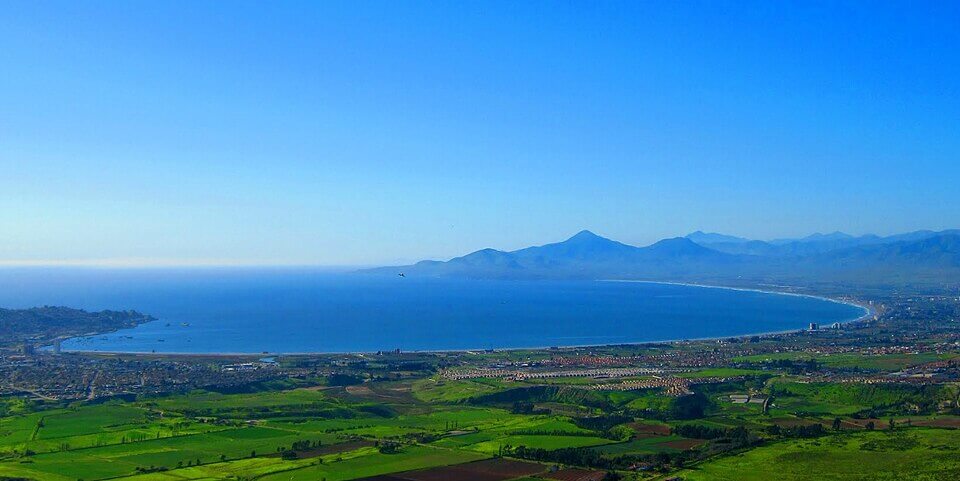
Fray Jorge National Park presents a remarkable ecological anomaly – a relict Valdivian temperate rainforest ecosystem sustained by the persistent coastal fog ("camanchaca"). This unique "fog forest," surrounded by typical semi-arid scrubland, showcases the profound influence of maritime moisture and harbors species with affinities to the much wetter south. The coastal regions of the Norte Chico are dotted with charming towns like La Serena, one of Chile's oldest cities with well-preserved colonial architecture and beautiful beaches, and the adjacent port city of Coquimbo, both reflecting the region's historical and maritime connections. The inland valleys also offer opportunities for ecotourism, featuring hiking trails, vineyards, and cultural experiences that showcase the unique character of the Norte Chico.
Conclusion: A Semi-Arid Tapestry of Transition and Resilience
The Norte Chico of Chile embodies a fascinating and ecologically significant transition from the extreme aridity of the far north to the more temperate landscapes of the central zone. Its semi-arid climate, sculpted by a delicate balance of limited rainfall and persistent coastal fog, has fostered a distinctive topography defined by fertile transverse valleys that serve as vital agricultural and ecological corridors. This region, recognized by CORFO as a crucial natural division, supports a unique and often endemic biodiversity, adapted to the specific challenges and opportunities presented by its transitional environment. The intertwined histories of agriculture, particularly the cultivation of grapes for pisco, and mineral extraction have shaped the cultural and economic fabric of the Norte Chico. With its clear skies attracting world-renowned astronomical observatories and its unique fog forests offering a glimpse into ecological resilience, the Norte Chico stands as a compelling testament to the intricate interplay of geographical forces, climate patterns, and the enduring adaptability of life along Chile's remarkable longitudinal expanse.
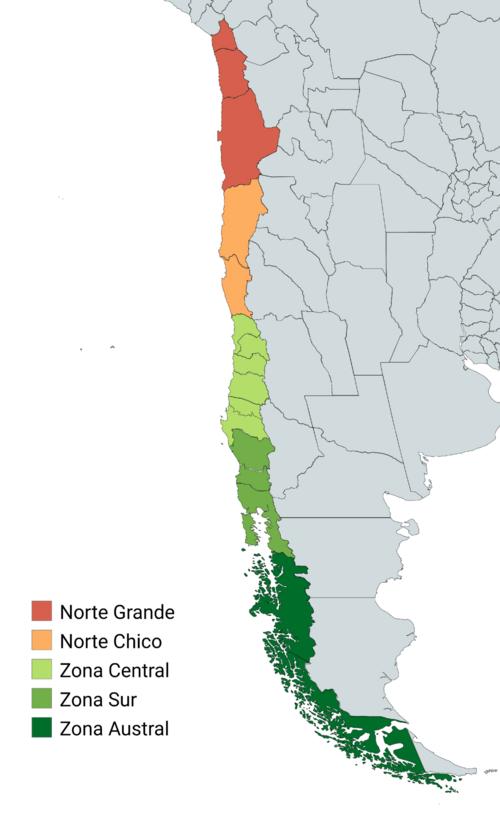
Map depicting the natural regions of Chile.