
The Endless Horizon: Exploring Colombia's Orinoco Natural Region
Colombia's Orinoco Natural Region, or Orinoquía, is a vast, sparsely populated area east of the Andes. Part of the Llanos, a tropical grassland shared with Venezuela, the region features flat savannas, an integral connection to the Orinoco River watershed, and unique biodiversity.
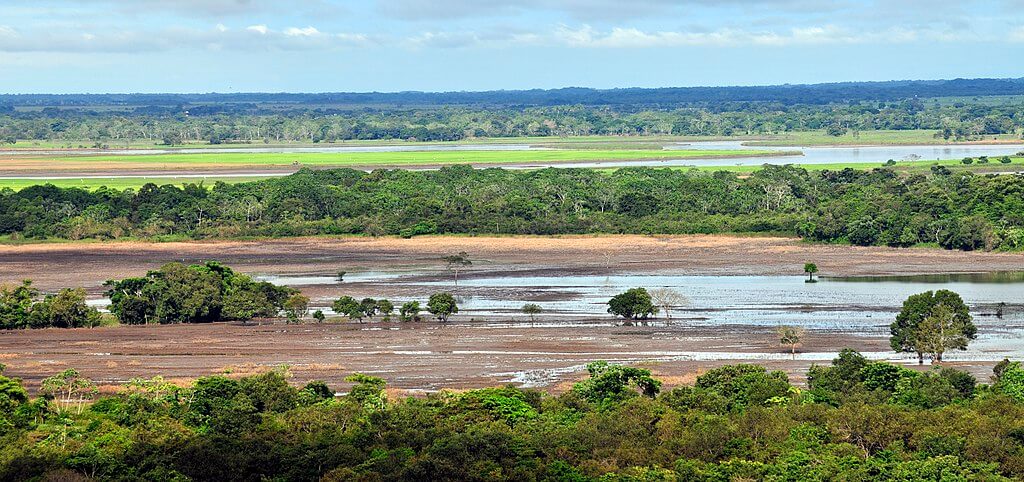
Colombia's Wild East: Unveiling the Llanos
Colombia's Orinoco Natural Region, also known as the Orinoquía or the Eastern Plains, is a vast and sparsely populated expanse stretching east of the majestic Andes Mountains. Forming part of the immense Llanos, a tropical grassland plain shared with Venezuela, this region is defined by its flat, open savannas, its integral connection to the Orinoco River watershed, and its unique biodiversity adapted to the seasonal wet and dry cycles. While less densely populated than other Colombian regions, the Orinoquía holds significant ecological importance, boasts potential for resource development, and offers a distinct cultural identity shaped by its llanero traditions and its relationship with the expansive plains.
A Rhythm of Wet and Dry: Climate and Seasonal Changes
The Orinoco Natural Region experiences a distinct tropical savanna climate characterized by pronounced wet and dry seasons. The wet season, typically extending from April to November, brings significant rainfall that can lead to widespread flooding across the low-lying plains. During this time, rivers swell, and the landscape transforms into a mosaic of lagoons and flooded grasslands. Conversely, the dry season, from December to March, sees little rainfall, causing rivers to recede and the savannas to become parched and brown. Temperatures remain consistently warm throughout the year, averaging around 27°C (81°F), with relatively high humidity, particularly during the wet season. This dramatic seasonal cycle dictates the region's ecology, agricultural practices, and the rhythm of life for its inhabitants.
A Sea of Grass: Ecosystems of the Llanos
The dominant ecosystem of the Orinoco Natural Region is the tropical savanna, or Llanos. These vast grasslands are characterized by a continuous carpet of grasses, interspersed with scattered trees and shrubs that are adapted to the seasonal flooding and drought. Gallery forests, characterized by denser tree cover, line the banks of the numerous rivers that crisscross the plains, providing shade and habitat for a greater diversity of species. Wetlands, including marshes and swamps, are also a significant feature, particularly during the wet season, supporting a rich array of aquatic life. The unique combination of these ecosystems creates a habitat for a distinctive flora and fauna adapted to the specific challenges and opportunities of the Llanos.
Lifeline to the East: The Orinoco River Basin
The Orinoco Natural Region lies entirely within the Orinoco River watershed, a massive drainage basin that encompasses a significant portion of northern South America. Numerous rivers, including the Meta, Arauca, and Guaviare, originate in the Andes and flow eastward across the Colombian Llanos, eventually emptying into the Orinoco River in Venezuela. These rivers are vital for transportation, provide freshwater resources for both human and wildlife populations, and play a crucial role in shaping the region's hydrology and ecology, influencing the extent and duration of seasonal flooding.
A Culture of the Plains: Llanero Traditions
The sparsely populated Orinoco Natural Region is home to a distinct cultural identity centered around the llanero traditions. These skilled horsemen and cattle herders have a deep connection to the land and a rich cultural heritage expressed through their music, dance (like the joropo), and traditional practices of livestock management on the expansive savannas. This unique cultural heritage, shaped by the demands and rhythms of life on the plains, distinguishes the Orinoquía from other regions of Colombia.
Potential and Preservation: Resources and Ecology
While sparsely populated, the Orinoco Natural Region holds significant economic potential, particularly in the areas of oil and gas extraction and extensive cattle ranching. However, this development must be balanced with the need for ecological preservation. The Llanos are home to a unique array of wildlife, including capybaras, giant anteaters, jaguars, and numerous species of birds, including the iconic scarlet ibis. Conservation efforts are crucial to protect the region's biodiversity and ensure the sustainable use of its natural resources.
Notable Features and Attractions: The Untamed East
While not a primary tourist destination, the Orinoco Natural Region offers opportunities for ecotourism and experiencing the raw beauty of the Llanos. Caño Cristales, often called the "River of Five Colors," located in the southern part of the region, is a unique natural wonder where aquatic plants create vibrant displays of red, blue, yellow, green, and black during certain times of the year. National natural parks like El Tuparro showcase the region's diverse ecosystems and wildlife. Experiencing the llanero culture through music, rodeos, and traditional food offers a glimpse into a distinct Colombian way of life.
Conclusion: The Untamed Heart of the Plains
Colombia's Orinoco Natural Region, the vast Eastern Plains, presents a landscape of endless horizons, shaped by a dramatic seasonal climate and defined by its expansive savannas and the life-giving waters of the Orinoco River basin. Home to the resilient llanero culture and harboring unique biodiversity, this region, while sparsely populated, plays a crucial ecological role and holds significant potential for the future. As Colombia continues to develop, the Orinoquía stands as a reminder of the importance of balancing resource utilization with the preservation of its untamed beauty and distinct cultural heritage.
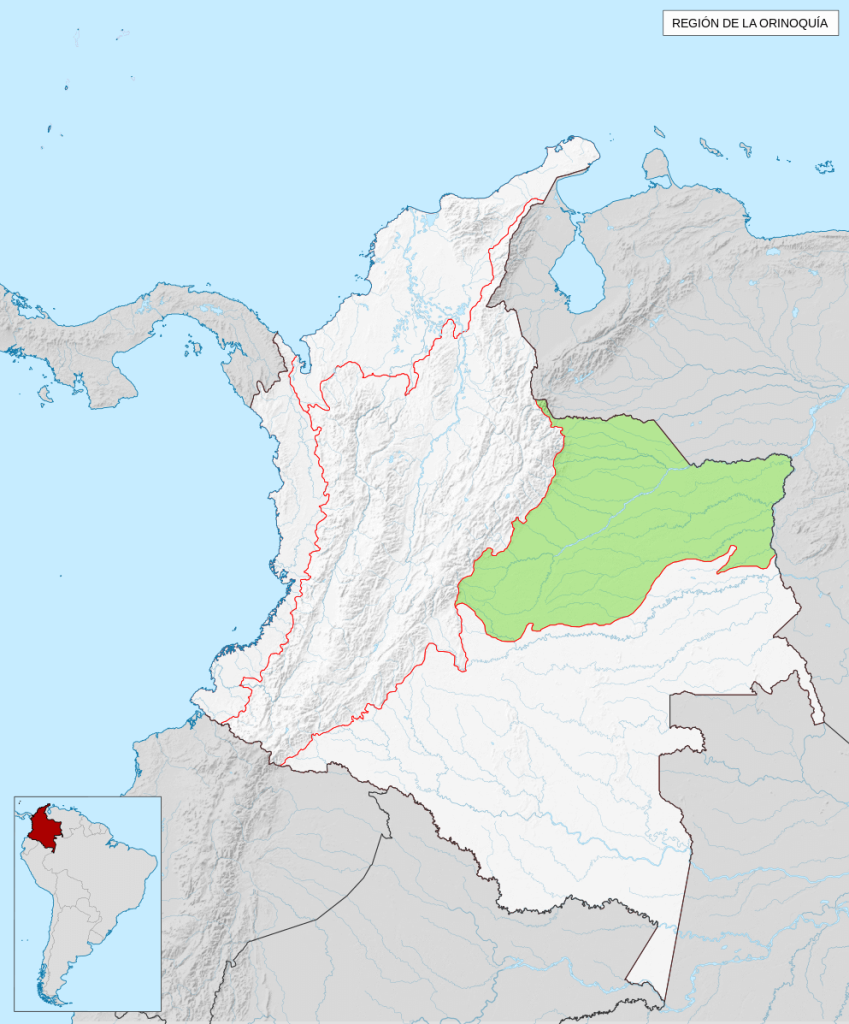
Map depicting the location of the Orinoquía Region of Colombia.