Bodies of Water of Mexico

Acapulco: The Historic Heartbeat of Mexico's Pacific Coast

Few cities evoke images of golden beaches, daring cliff divers, and glamorous resorts as vividly as Acapulco. Set along Mexico's southwestern coast in the state of Guerrero, Acapulco holds a unique place in the nation's history, blending colonial heritage with modern leisure culture. As a legendary gateway between continents, a beacon for mid-20th-century celebrities, and a vibrant Mexican city today, Acapulco's story is deeply intertwined with its magnificent natural harbor, the Bay of Acapulco.

Between Two Seas: Exploring the Baja California Peninsula

Stretching like a narrow finger into the Pacific Ocean, the Baja California Peninsula stands as one of Mexico's most remarkable geographical features. This landmass extends from Mexicali in the north to Cabo San Lucas in the south, creating a unique corridor where desert landscapes meet coastal splendor. As the second-longest peninsula in the world, Baja California represents a fascinating study in geological evolution, ecological adaptation, and human settlement in one of the planet's most challenging yet beautiful environments.

Lake Chapala: Mexico's Largest and Most Enchanting Lake

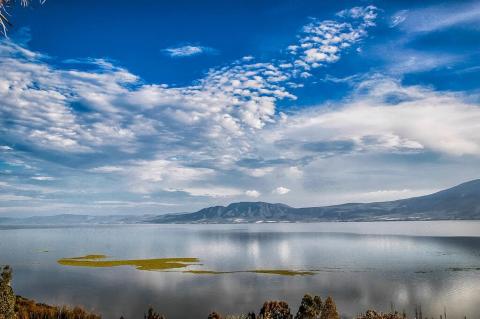
Lake Chapala, the largest freshwater lake in Mexico, is a place of natural beauty, cultural richness, and ecological importance. Located in the western state of Jalisco, south of Guadalajara, it is surrounded by picturesque towns, rolling hills, and lush landscapes. Renowned for its mild climate, Lake Chapala has become a haven for retirees, artists, and nature enthusiasts. However, it is also a vital ecological resource, playing a crucial role in regional water systems and supporting diverse flora and fauna.

Marismas Nacionales: Mexico's Coastal Wetland Haven

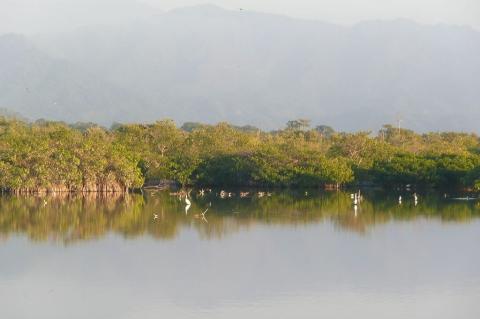
The Marismas Nacionales Lagoon System is one of the most extensive and ecologically critical coastal wetlands along the Pacific coast in northwest Mexico. This unique ecosystem is a vital natural resource, distinguished by its dynamic wetland habitats, including estuaries, marshes, mangroves, and coastal lagoons. It is recognized as one of Mexico's most crucial mangrove systems, playing a critical role in sustaining biodiversity, protecting coastal areas, and mitigating the impacts of climate change.

Río Bravo del Norte: The Great River That Unites and Divides Two Nations

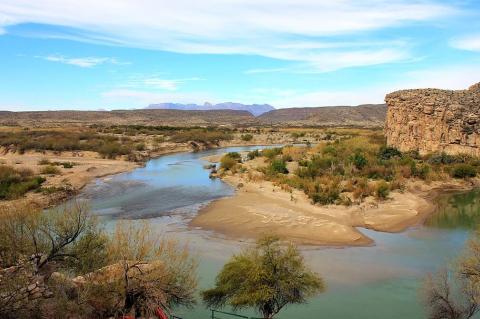
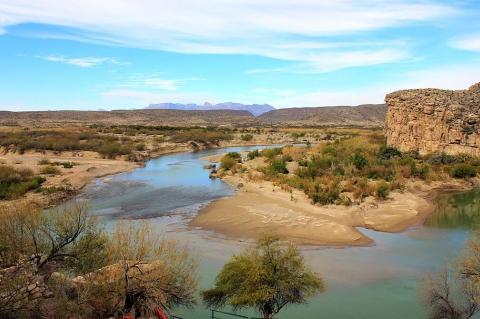
In Colorado's San Juan Mountains, where streams surge from melting snow, one of North America's most culturally and politically significant waterways begins. Known as the Rio Grande in the United States and Río Bravo del Norte in Mexico, it flows from alpine tundra to a tropical delta, serving as a border. For Mexico, the Río Bravo represents far more than a geographic boundary—it embodies centuries of cultural identity, economic development, and environmental adaptation in some of North America's most challenging landscapes.

The Balsas River: Lifeline of Central Mexico

Spanning one of Mexico's most diverse and dynamic regions, the Balsas River flows through the heart of the country, nurturing ecosystems, supporting livelihoods, and influencing cultural identities. As one of the longest rivers in Mexico, the Balsas plays a critical role in connecting the landscapes of Central and Southern Mexico. Its ecological richness, historical significance, and contributions to agriculture and hydropower make it a vital resource for the nation.

The Bay of Campeche: Mexico's Maritime Crossroads of Nature and History

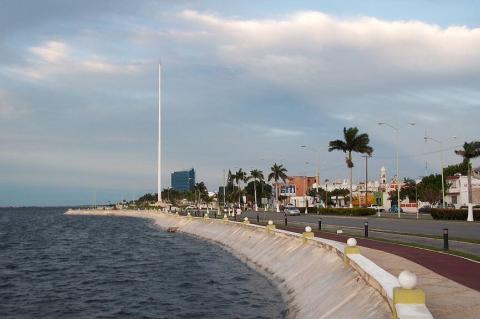
Located in the southwestern Gulf of Mexico, the Bay of Campeche is a vital maritime region with ecological, historical, and economic importance. It has served as a crossroads for nature, commerce, and human settlement, from ancient trade networks to today's global energy markets. The bay's diverse ecosystems and rich history contribute to its significance in Mexico's identity and environmental landscape.

The Gulf of California: Mexico's Sea of Marine Wonders

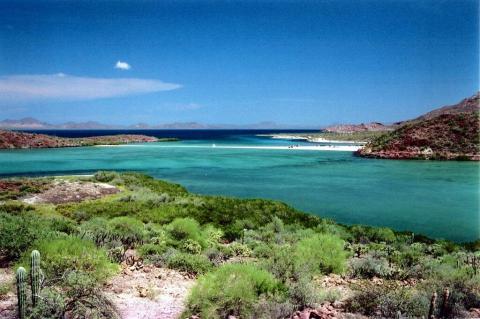
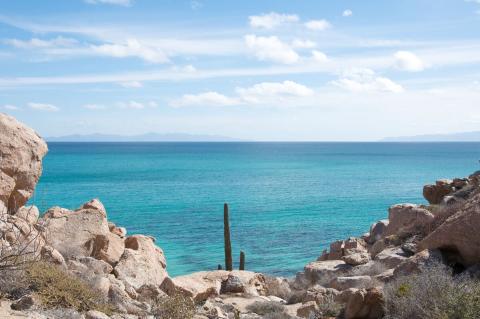
Known by many names—the Gulf of California, the Sea of Cortez, or the Vermilion Sea—this remarkable body of water represents one of Earth's most biologically diverse and geologically active marine environments. Nestled between the Baja California Peninsula and mainland Mexico, this marginal sea of the Pacific Ocean is a critical component of Mexico's marine heritage. With its crystal-clear waters, abundant marine life, and complex geological history, the Gulf of California stands as both a scientific treasure and an economic lifeline for the communities that depend on its resources.

The Gulf of Mexico: Mexico's Marine Frontier and the Western Atlantic's Hidden Sea

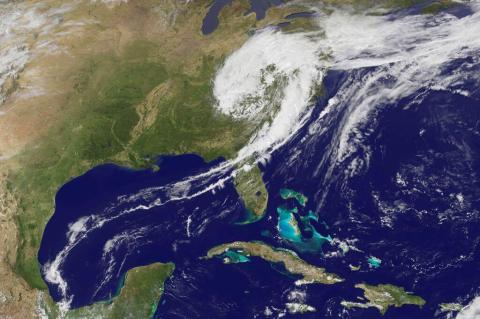
In the warm waters between the Yucatán Peninsula and the Florida Keys lies one of the world's most economically and ecologically significant ocean basins. The Gulf of Mexico encompasses 1.6 million square kilometers of ocean that has shaped the destiny of nations, supported extraordinary biodiversity, and fueled the energy needs of North America for over a century. For Mexico, it symbolizes sovereignty, economic prosperity, and environmental challenges that define the country's relationship with marine resources.

The Isthmus and Gulf of Tehuantepec: Mexico's Vital Corridor

The Isthmus of Tehuantepec is a vital geographical feature in southern Mexico. It forms a natural bridge between the Gulf of Mexico and the Pacific Ocean, a prominent inlet of the Pacific Ocean that has profoundly impacted the region's history, culture, and climate. The Gulf of Tehuantepec shapes the southern boundary of the Isthmus, influencing maritime activities and local weather patterns.