Bodies of Water of Paraguay

Itaipu: Powering Progress, Preserving Nature

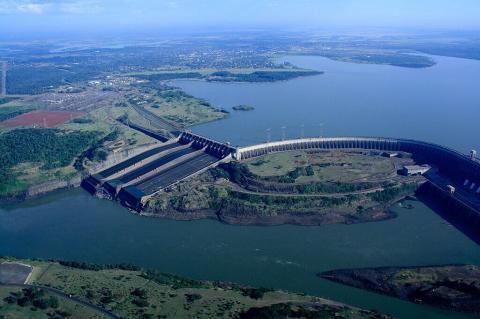
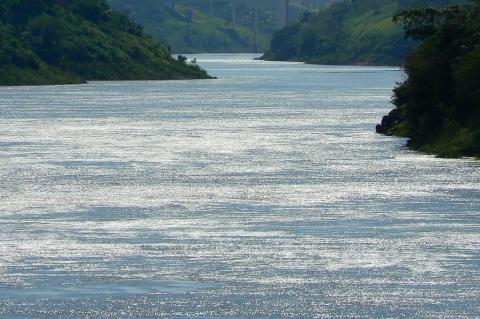
The Itaipu Dam, a colossal feat of engineering, is situated on the Paraná River at the border of Brazil and Paraguay. Recognized as one of the largest hydroelectric power plants in the world by installed capacity, Itaipu serves as a critical energy source for both nations while symbolizing international cooperation and technological achievement. The Itaipu Reservoir, created by the dam, stretches across a vast area, supporting energy production, water management, and biodiversity.

The Guaraní Aquifer System: South America's Hidden Ocean and the Future of Freshwater Security

Deep beneath four South American nations lies the Guaraní Aquifer System (GAS), one of Earth's most remarkable geological treasures. Spanning 1.2 million square kilometers of Argentina, Brazil, Paraguay, and Uruguay, it creates an underground hydrological empire rivaling the Mediterranean Sea. Named after the Indigenous Guaraní people, this aquifer system represents far more than a simple water source—it embodies the interconnected destiny of four nations and serves as a critical bulwark against regional water insecurity in an era of climate uncertainty.

The Paraguay River: Lifeline of South America

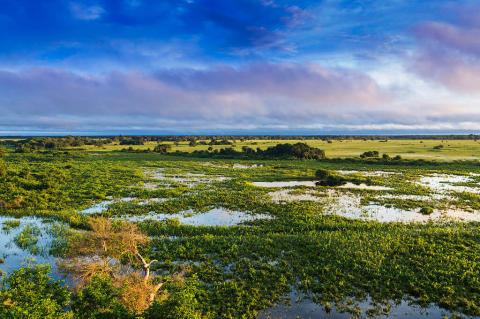
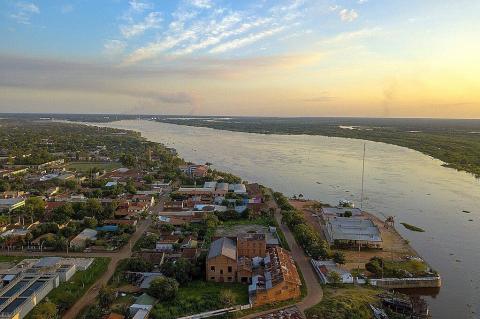
The Paraguay River, South America's fifth-largest river, is vital for the continent's southern regions. From its source in Brazil to its confluence with the Paraná River in Argentina, the river flows through Brazil, Paraguay, and Argentina. The river not only serves as a critical geographical feature but also demarcates national borders and influences the livelihoods of millions, making it one of the most significant waterways on the continent. It is crucial in maintaining biodiversity, especially in the Pantanal, one of the world's most ecologically diverse wetlands.

The Paraná River: Lifeblood of South America

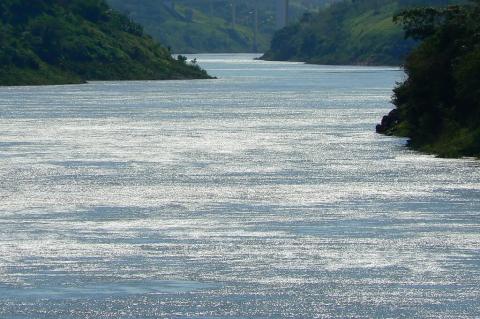
The Paraná River is an extraordinary natural feature, the second-longest river in South America after the Amazon. It traverses Brazil, Paraguay, and Argentina. Originating in southern Brazil, the Paraná River flows generally southward until it merges with the Uruguay River to form the Río de la Plata at the border of Argentina and Uruguay. This extensive river system and its encompassing basin play crucial roles in the region's environmental, economic, and cultural landscapes.