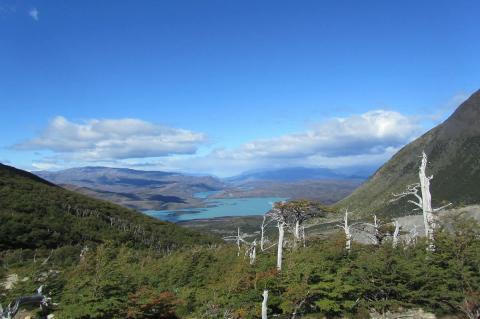
Chilean Patagonia

Patagonia: Nature's Last Frontier at the Edge of the World

Argentina and Chile share Patagonia, a vast and enigmatic region at the southern tip of South America. It is renowned for its stunning landscapes, rich biodiversity, and cultural heritage. This expansive region, often referred to as one of the world's last remaining "Edens," captivates with its mix of arid plains, towering mountains, sprawling glaciers, and dense forests. Patagonia's geographical, climatic, economic, and cultural aspects reveal a region of immense natural beauty and significance.

Patagonia's Crown Jewel: Lake Buenos Aires

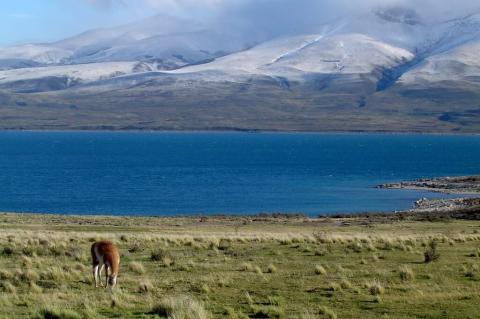
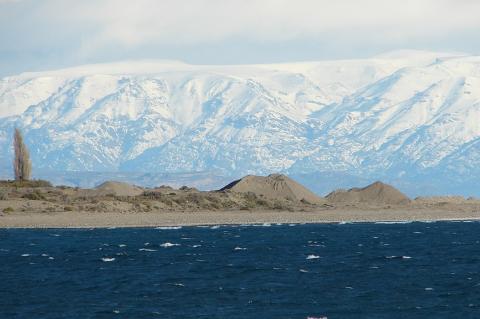
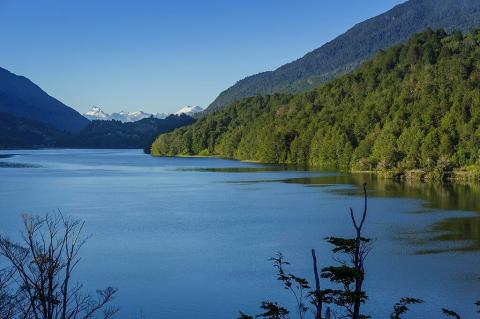
Located in Patagonia, Lake Buenos Aires, known as Lago General Carrera in Chile, is one of South America's largest lakes. It boasts breathtaking scenery and vibrant ecosystems. Formed by glacial activity, the lake is surrounded by towering mountains and lush forests, showcasing unmatched beauty. Its waters vary from turquoise to deep blue, mirroring the pristine Patagonian environment. The lake fosters cooperation and cultural exchange between Argentina and Chile while providing livelihoods for local communities.

Puerto Williams: Journey to the End of the World

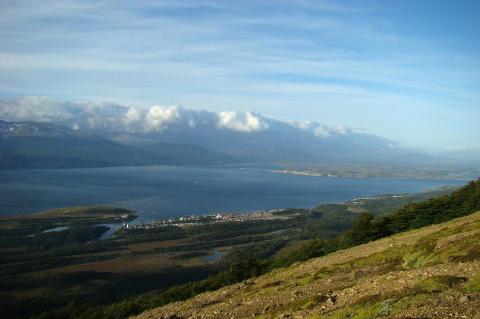
Nestled on the northern shores of the Beagle Channel, Puerto Williams stands as a beacon of exploration at the southernmost tip of the world. Situated on Navarino Island, Tierra del Fuego, in Chile's Magallanes and Chilean Antarctica region, it holds the prestigious title of the world's southernmost city. It serves as the capital of the Commune of Cabo de Hornos. With approximately 2,500 residents, Puerto Williams embodies a unique blend of history, adventure, and natural beauty.

Pumalín Douglas Tompkins National Park: A Legacy of Conservation

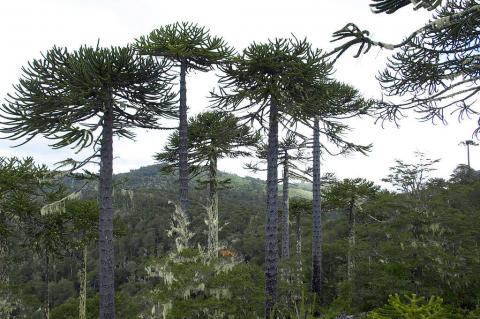
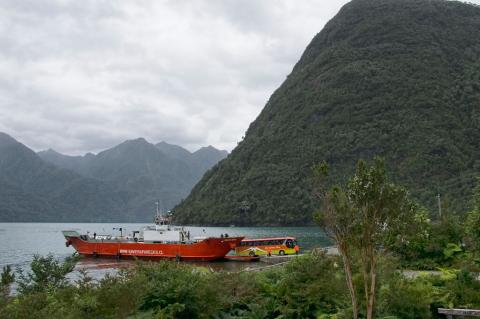
Pumalín Douglas Tompkins National Park in Chile's Los Lagos Region is a testament to the country's rich natural heritage and conservation efforts. Spanning northern Patagonia, it features breathtaking landscapes, including volcanoes, forests, waterfalls, and coastlines. Named after American conservationist Douglas Tompkins, the park is a sanctuary for diverse flora and fauna, including ancient Alerce trees.

The Chilean and Argentine Andes: A Towering Realm of Extremes and Natural Wonders

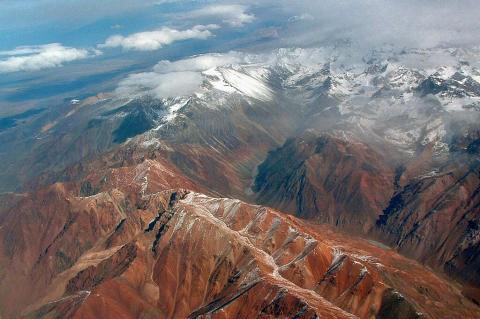
Stretching like a mighty spine along the western edge of South America, the Andes Mountain Range stands as a towering testament to nature's grandeur and complexity. This colossal cordillera, spanning seven countries, encompasses some of the planet's most extreme and diverse landscapes. At the heart of this vast mountain system lies the Chilean and Argentine Andes, where the borders between these two nations are defined by soaring peaks, glacial valleys, and landscapes that oscillate between the arid desolation of the Dry Andes and lush, verdant splendor of the Wet Andes.

The Hidden Wonders of Corcovado National Park

Corcovado National Park, located in the Los Lagos Region of southern Chile, stands as a testament to the country's dedication to preserving its natural heritage. It is Chile's fourth-largest national park and one of the world's most remote and untouched landscapes. The park owes much of its existence to the generous land donation by Tompkins Conservation. The park's isolation, challenging terrain, and lack of public access make it a pristine sanctuary for diverse flora and fauna.

The Majestic Landscapes of Queulat National Park

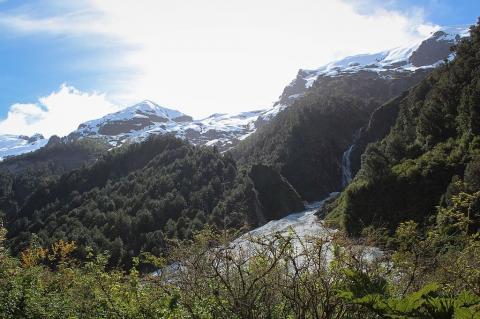
Queulat National Park, located in the Aysén Region of southern Chile, is a sanctuary of glacier-capped mountains, untouched evergreen Andean Patagonian forests, and diverse ecosystems. Established in 1983, the park is renowned for its stunning landscapes and rich biodiversity. The park's centerpiece, the Queulat Hanging Glacier (Ventisquero Colgante), epitomizes its natural beauty with awe-inspiring views.

The Natural Splendor of Cerro Castillo National Park

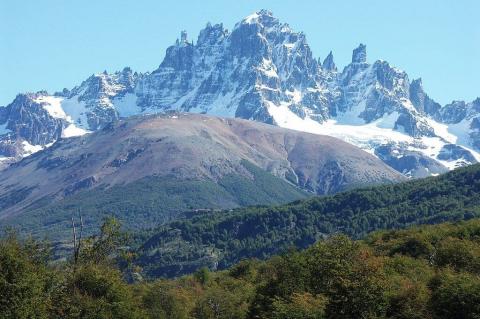
Cerro Castillo National Park, located in the Aysén Region of southern Chile, is a stunning example of Patagonia's natural beauty and biodiversity. Named after the majestic Cerro Castillo peak, the park is a haven for those seeking to experience southern Chile's raw, unspoiled wilderness. With its dramatic landscapes, diverse ecosystems, and rich wildlife, Cerro Castillo National Park provides a unique and captivating glimpse into the heart of the Patagonian Andes.

The Northern Patagonian Ice Field: A Living Testament to Chile's Glacial Past

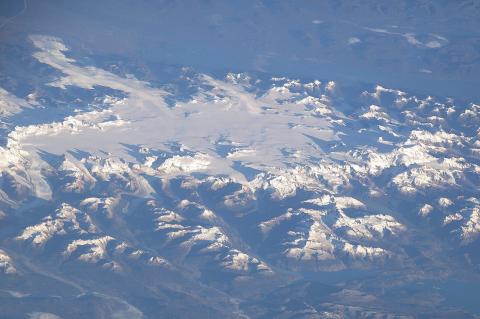
Nestled within the breathtaking and rugged landscapes of southern Chile, the Northern Patagonian Ice Field stands as a profound testament to the enduring power and legacy of the Andes Mountains. This immense ice mass, smaller than its southern counterpart but no less magnificent, represents one of the last major remnants of the once-vast Patagonian Ice Sheet. Its entirety lies protected within the boundaries of the Laguna San Rafael National Park, a designated UNESCO Biosphere Reserve, underscoring its immense ecological and scientific value.

The Patagonian and Fuegian Andes: Spine of the World's End

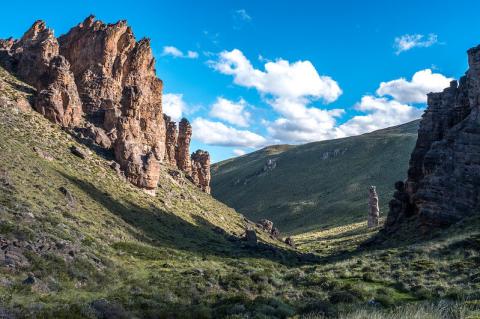
Rising from the steppes of southern Argentina and Chile like a serrated blade cleaving sky from earth, the Patagonian and Fuegian Andes form a spectacular and complex mountain system. This southern extension of the Andean chain features dramatic landscapes, towering granite spires, ancient ice fields, and active volcanic peaks that reshape the continent. These mountains serve as a living laboratory of planetary processes, a refuge for unique ecosystems, and a testament to the powerful natural forces that have shaped our world.