Guatemala

The Sierra Madre de Chiapas: A Vital Natural Divide

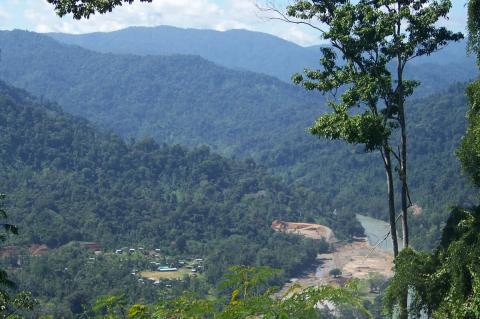
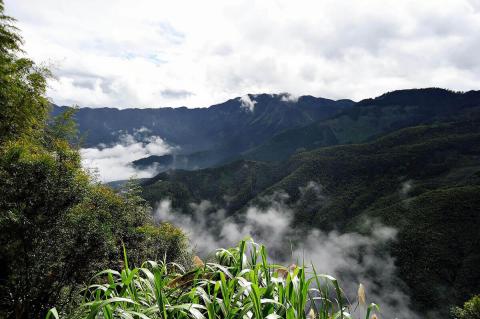
The Sierra Madre de Chiapas is an impressive mountain range that extends parallel to the Pacific coast in southern Mexico and northern Central America. As the southernmost extension of the Sierra Madre Mountain System, this range is a significant geographical and ecological landmark. Spanning multiple countries, the Sierra Madre de Chiapas is known for its diverse ecosystems, volcanic activity, and role in the region's hydrology.

The Usumacinta River: The Lifeblood of Mesoamerica

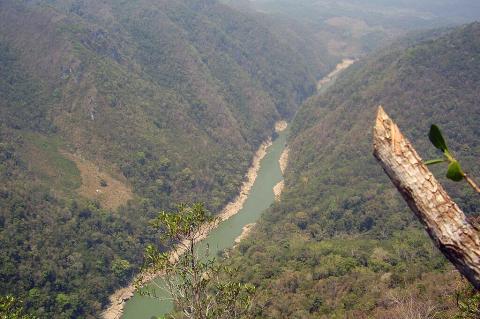
The Usumacinta River, one of the most significant waterways in Central America, meanders through the lush landscapes of Guatemala and Mexico. As the largest river in Mesoamerica, it has long been a vital artery for ecosystems, cultures, and economies. Rich in history, biodiversity, and natural beauty, the Usumacinta River is both a lifeline for the region and a source of growing concern as environmental pressures mount.

The Yucatán Peninsula: A Living Testament to Time

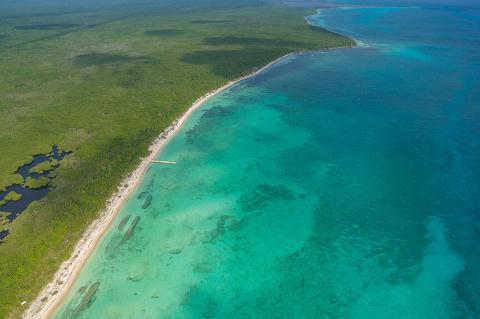
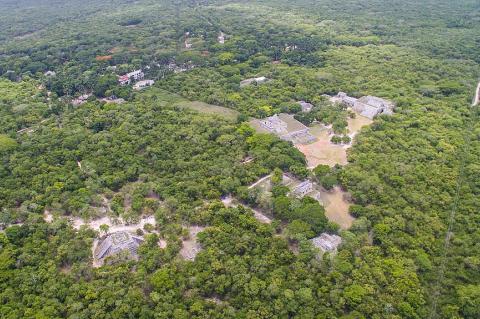
Suspended between the azure waters of the Gulf of Mexico and the Caribbean Sea, the Yucatán Peninsula emerges as one of Earth's most extraordinary geological and cultural theaters. This vast limestone platform extends its ancient arms across three Mexican states—Campeche, Quintana Roo, and Yucatán—while reaching southward into the heart of Belize and Guatemala. Here, in this remarkable convergence of land and sea, the very foundations of the Earth tell stories that span from cosmic catastrophe to human civilization, from primordial forests to sacred cenotes.

Tikal: Where Ancient Civilization Meets Natural Splendor

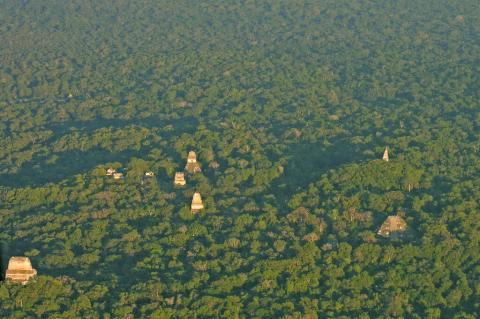
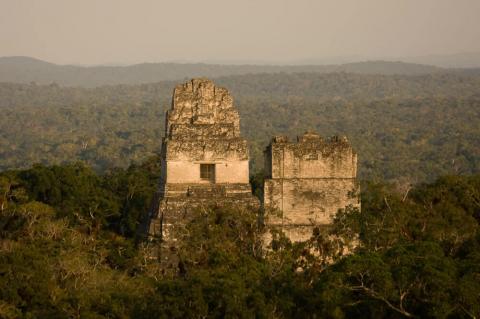
Tikal, one of the largest and most significant archaeological sites of the ancient Maya civilization, stands as a remarkable testament to the ingenuity and sophistication of a society that once flourished in the dense jungles of northern Guatemala. Today, Tikal is an iconic symbol of Maya architectural and cultural achievements and a crucial part of the vast Tikal National Park, a UNESCO site that preserves both the rich history and the extraordinary biodiversity of the region.

Trifinio Fraternidad Biosphere Reserve: A Tri-National Sanctuary

The Trifinio Fraternidad Biosphere Reserve is a remarkable transboundary conservation area that spans the borders of Honduras, El Salvador, and Guatemala. This biosphere reserve represents a significant collaborative effort to preserve the unique biodiversity and cultural heritage of the Central American region where these countries converge. The reserve, encompassing a diverse range of ecosystems, is crucial for biodiversity conservation, sustainable development, and fostering regional cooperation.

Unveiling the Mysteries of the Cultural Triangle: Guatemala's Archaeological Marvel

Deep within the lush rainforests of Guatemala's Petén Department lies an archaeological treasure trove unlike any other – the Cultural Triangle: Yaxha-Nakum-Naranjo National Park. This multidisciplinary project has brought together archaeologists, architects, conservators, restorers, biologists, and workers to unravel the secrets of one of the most densely populated regions of the Maya Classic period in Mesoamerica. This remarkable site encompasses these three gigantic Mayan cities along with 14 sub-centers.

Volcán de Fuego and Acatenango: Guatemala's Dynamic Volcanic Complex

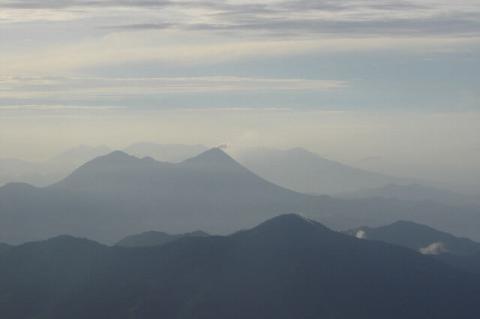
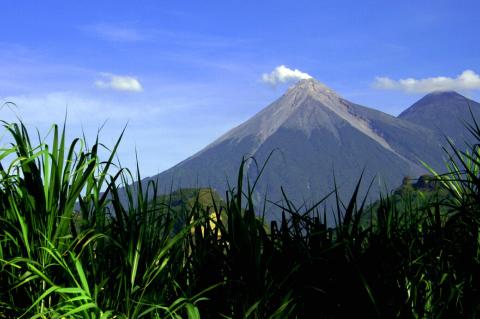
In Guatemala's Central Highlands, two magnificent volcanoes form one of Central America's most scientifically significant volcanic partnerships. Volcán de Fuego and Acatenango represent contrasting stages of volcanic evolution, providing crucial insights into the geological processes that have shaped the region for millennia. While Fuego maintains its status as one of Guatemala's most active volcanoes, dormant Acatenango preserves a record of the complex volcanic history that characterizes this portion of the Central American Volcanic Arc.