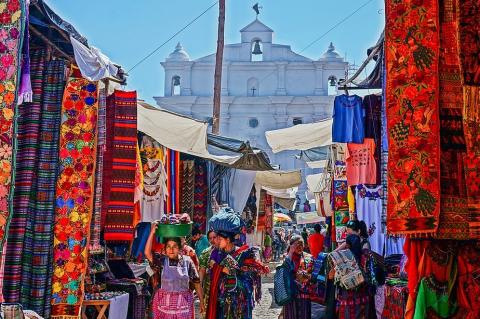
Guatemala

Tak'alik Ab'aj National Park: A Window into Mesoamerican Civilizations

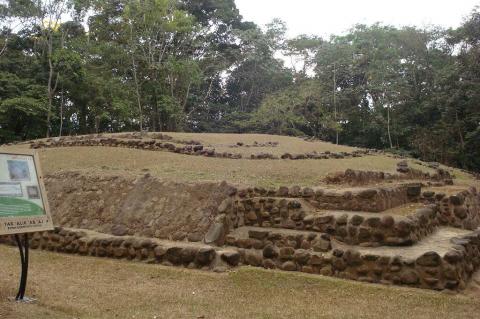
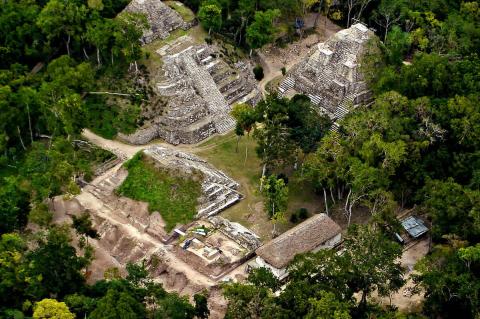
Tak'alik Ab'aj National Park in Guatemala's southwestern highlands is an important archaeological site that provides insight into Mesoamerica's cultural and historical evolution. With a blend of Olmec and Maya influences, it offers a crucial understanding of early civilizations in the region. Dating back to the 9th century BC, it was a significant hub for trade, ceremonies, and politics, and today stands as one of Central America's most important pre-Columbian sites.

The Andean Volcanic Belt and the Pacific Ring of Fire: Unveiling Earth's Geological Marvels

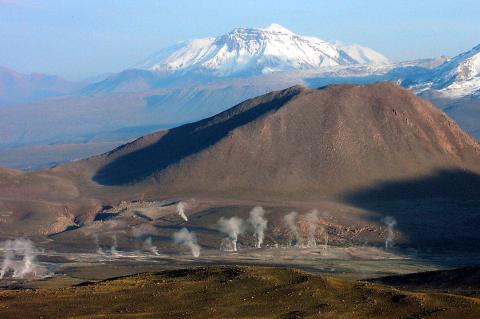
The Andean Volcanic Belt, along South America's western coast, forms as the Nazca and Antarctic plates subduct beneath the South American Plate. This process generates various volcanic zones, illustrating the intricate interplay of Earth's crustal plates. The belt showcases diverse geological phenomena, from the hazards in the Northern Volcanic Zone to the silicic systems in the Central Volcanic Zone and the glaciated stratovolcanoes in the Austral Volcanic Zone.

The Central America Volcanic Arc: Where Ocean Floor Becomes Mountains

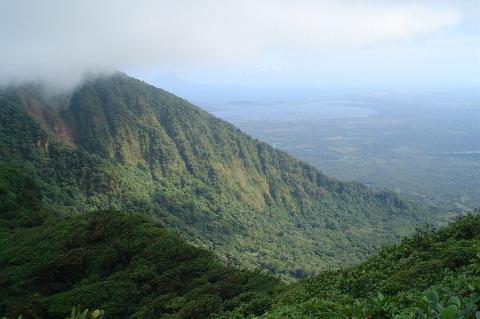
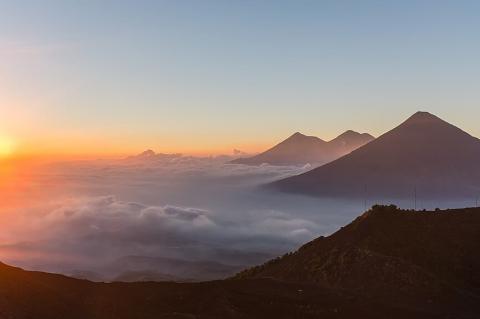
Stretching from Guatemala's volcanic highlands to Panama's Cordillera de Talamanca, the Central America Volcanic Arc represents one of the world's most active and scientifically significant volcanic chains. This geological marvel, also known as the Central Volcanic Range, encompasses more than 70 Holocene volcanoes that have fundamentally shaped the landscape, climate, and human history of Central America. The arc's formation results from the relentless subduction of oceanic crust that transforms seafloor sediments into towering volcanic peaks.

The Guatemalan Highlands: A Geological and Cultural Crossroads

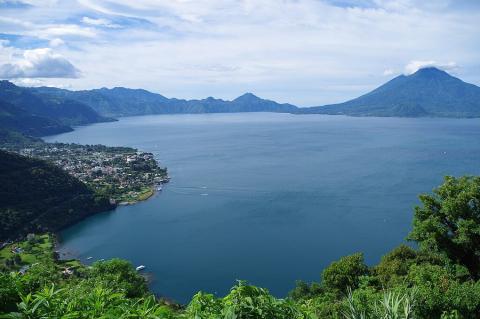
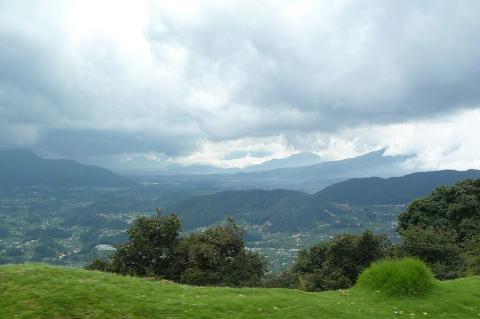
Stretching between the Pacific coastal plains and Guatemala's northern Petén lowlands, the Guatemalan Highlands represent one of Central America's most geologically complex and culturally significant regions. Known locally as "Tierras Altas," this mountainous terrain encompasses towering volcanic peaks, deep valleys, highland lakes, and Indigenous communities. The region's dramatic landscapes are the result of millions of years of tectonic activity, creating a natural laboratory where geological forces have shaped both the environment and civilization.

The Lempa River: Central America's Lifeline of Nature and Culture

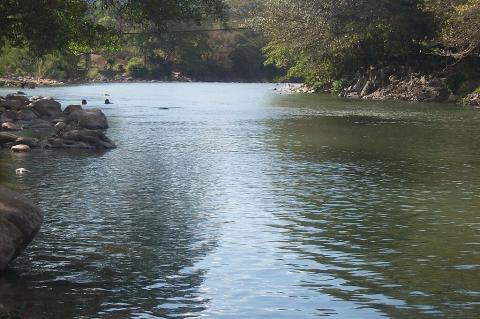
Flowing through the heart of Central America, the Lempa River is a vital artery that sustains the landscapes, economies, and communities of three nations: Guatemala, Honduras, and El Salvador. As the longest river in El Salvador, it holds immense significance in the region, shaping its environment, history, and cultural identity. The river's diverse ecosystems, historical importance, and economic contributions make it a subject of considerable interest and a focal point for conservation efforts.

The Maya Biosphere Reserve: Guatemala's Crown Jewel in the Mesoamerican Biological Corridor

In the expansive northern Guatemala region of Petén, lies one of the Western Hemisphere's most remarkable conservation successes. The Maya Biosphere Reserve is not only Guatemala's largest protected area but also acts as the foundation of the Mesoamerican Biological Corridor. This ambitious cross-border project connects protected areas from Mexico to Panama. The reserve is a vital part of a trinational conservation network, forming the largest continuous protected forest in Mesoamerica.

The Maya Civilization: Architects of an Enduring Legacy

The Maya civilization, one of the most advanced and influential cultures of the ancient Americas, flourished in Mesoamerica for more than 2,000 years. Emerging around 2000 BCE and reaching its height between 250 and 900 CE, the Maya built vast city-states, developed one of the most sophisticated writing systems of the pre-Columbian world, and made remarkable advancements in mathematics, astronomy, and architecture.

The Maya Region: A Journey through Peaks, Lowlands, and Plateaus

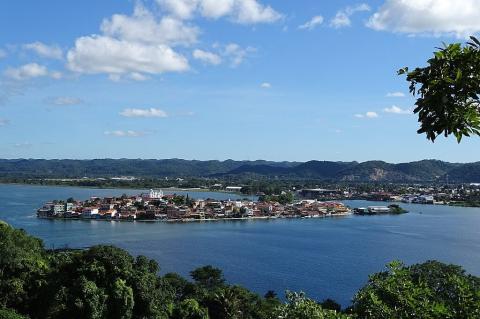
The Maya Region, the expansive heart of Mesoamerica, unfolds as a landscape of unparalleled diversity, spanning present-day Guatemala, Belize, and Mexico. Stretching from the mountainous peaks of the Sierra Madre to the semi-arid plains of northern Yucatán, this vast expanse encapsulates the historical and cultural landscape of the Mayan civilization in the pre-Columbian era.

The Pan-American Highway: Linking North, Central, and South America

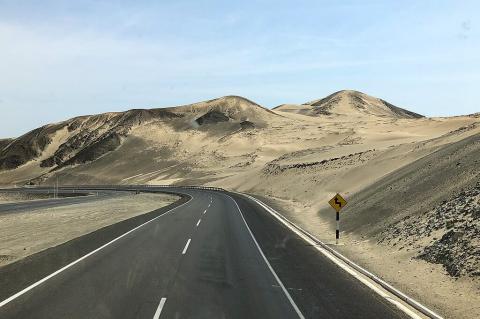
Stretching from the frozen tundras of Alaska to the windswept landscapes of Tierra del Fuego, the Pan-American Highway is a testament to human ingenuity and the indomitable spirit of connectivity. This vast network of roads is one of the most extensive and ambitious transportation systems ever conceived, serving as a vital artery for trade, tourism, and cultural exchange across the Americas. Despite the monumental achievements of the highway, a formidable obstacle remains – the Darién Gap.

The Petén Basin and Maya Forest: Where Ancient Civilizations Meet Living Wilderness

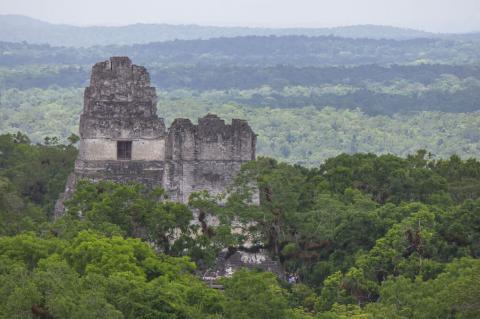
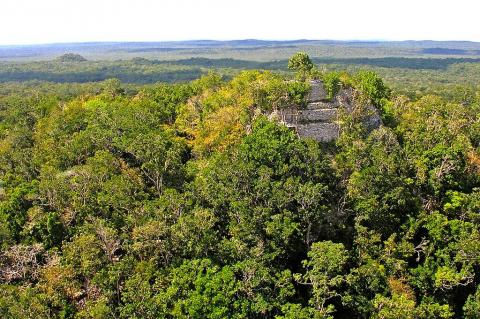
In the verdant heart of Central America, where the borders of Guatemala, Mexico, and Belize converge in a tapestry of emerald green, lies one of the world's most extraordinary convergences of natural wonder and human achievement. Here, beneath canopies that have witnessed the rise and fall of empires, the Petén Basin and its encompassing Maya Forest represent far more than geographical features—they embody a living testament to the intricate dance between civilization and wilderness that has unfolded across millennia.