Honduras

Roatán and the Bay Islands: Caribbean Gems in Honduras' Coral Kingdom

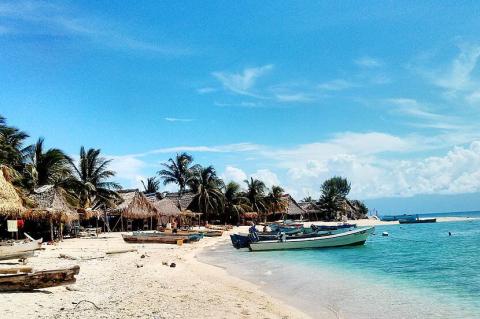
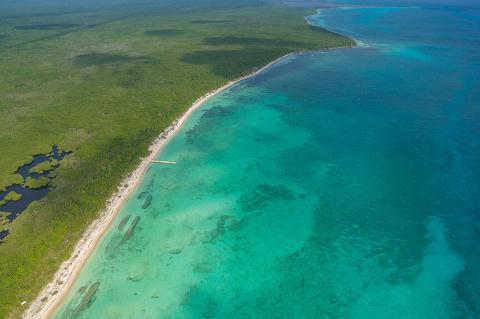
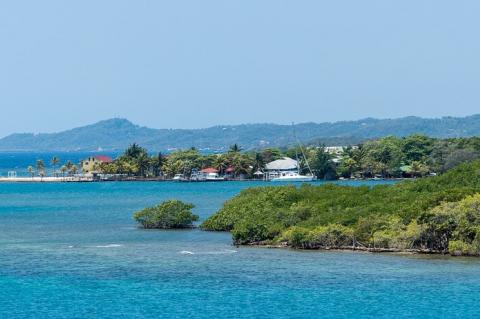
In the azure waters of the Caribbean Sea, where ancient coral formations meet tropical landscapes, lies one of Central America's most remarkable marine ecosystems—the Bay Islands of Honduras. Anchored within the Gulf of Honduras, this archipelago represents a living testament to millions of years of geological evolution and marine biodiversity, with Roatán serving as its crown jewel. Here, beneath crystalline waters, thrives the second-largest barrier reef system in the world, while above, a rich tapestry of cultures weaves together Indigenous, colonial, and Afro-Caribbean influences.

San Marcos de Colón Biosphere Reserve: Where Nature and Culture Converge

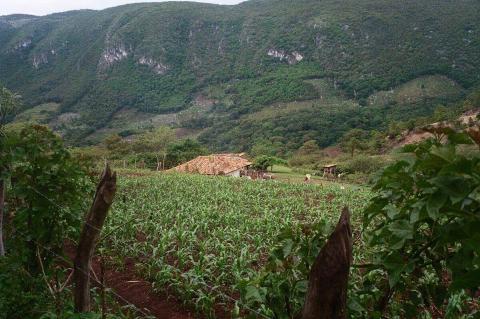
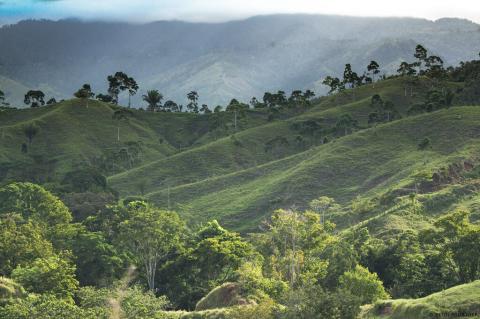
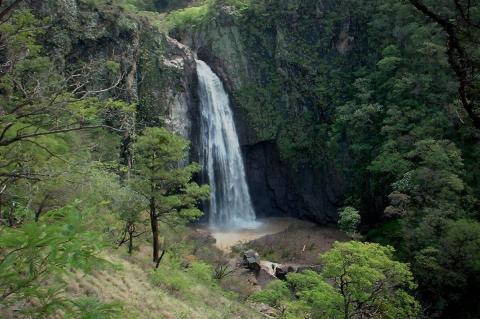
Nestled in the Honduran department of Choluteca, the San Marcos de Colón Biosphere Reserve emerges as a captivating expanse that seamlessly blends ecological diversity with cultural richness. The unique climatic conditions, influenced by a history of agricultural deforestation and higher altitudes, create a temperate environment, fostering a mosaic of ecosystems.

San Pedro Sula: The Industrial Heart of Honduras

San Pedro Sula, the second-largest city in Honduras, stands as the country's economic powerhouse and a significant cultural center. Located in the Sula Valley in the northwestern part of the country, the city has long been a crucial driver of industry, commerce, and trade. With a rich history, diverse economic base, and vibrant cultural landscape, San Pedro Sula plays a pivotal role in shaping the development of Honduras.

Tegucigalpa: The Heartbeat of Honduras

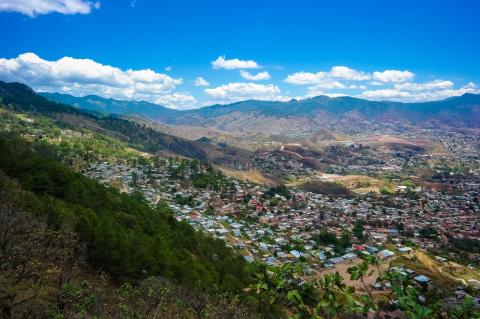
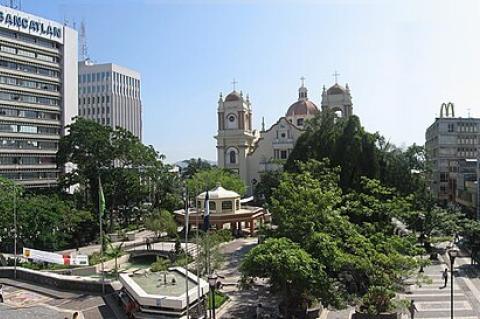
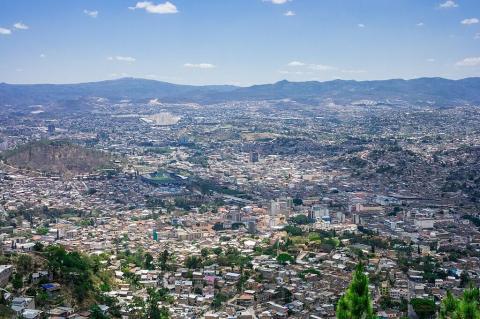
Tegucigalpa, the capital of Honduras, stands as a vibrant yet complex city nestled in the embrace of rugged mountains. Its name, derived from the indigenous Nahuatl language, hints at the area's rich mineral heritage. As the country's political and economic center, Tegucigalpa offers a deep exploration into Honduras' colonial past, its modern-day ambitions, and the daily lives of over one million residents.

The Central America Volcanic Arc: Where Ocean Floor Becomes Mountains

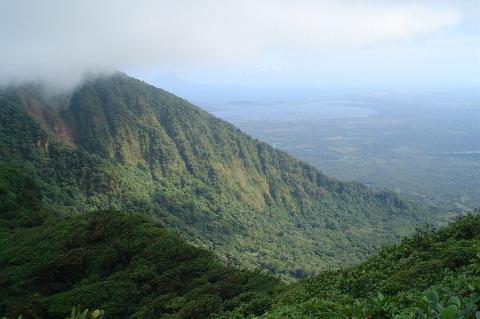
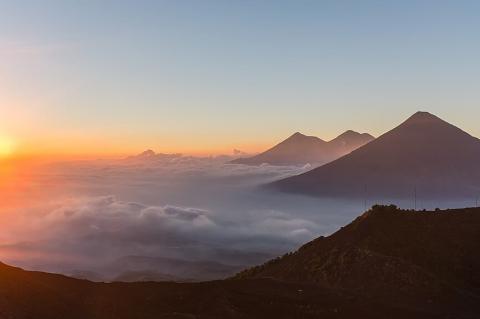
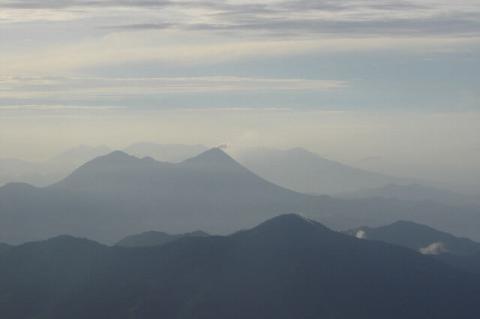
Stretching from Guatemala's volcanic highlands to Panama's Cordillera de Talamanca, the Central America Volcanic Arc represents one of the world's most active and scientifically significant volcanic chains. This geological marvel, also known as the Central Volcanic Range, encompasses more than 70 Holocene volcanoes that have fundamentally shaped the landscape, climate, and human history of Central America. The arc's formation results from the relentless subduction of oceanic crust that transforms seafloor sediments into towering volcanic peaks.

The Lempa River: Central America's Lifeline of Nature and Culture

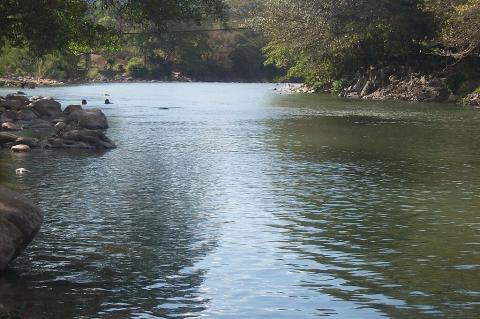
Flowing through the heart of Central America, the Lempa River is a vital artery that sustains the landscapes, economies, and communities of three nations: Guatemala, Honduras, and El Salvador. As the longest river in El Salvador, it holds immense significance in the region, shaping its environment, history, and cultural identity. The river's diverse ecosystems, historical importance, and economic contributions make it a subject of considerable interest and a focal point for conservation efforts.

The Maya Civilization: Architects of an Enduring Legacy

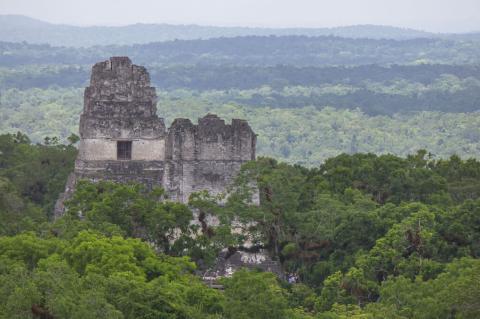
The Maya civilization, one of the most advanced and influential cultures of the ancient Americas, flourished in Mesoamerica for more than 2,000 years. Emerging around 2000 BCE and reaching its height between 250 and 900 CE, the Maya built vast city-states, developed one of the most sophisticated writing systems of the pre-Columbian world, and made remarkable advancements in mathematics, astronomy, and architecture.

The Pan-American Highway: Linking North, Central, and South America

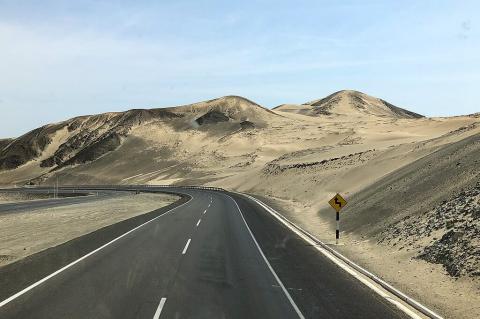
Stretching from the frozen tundras of Alaska to the windswept landscapes of Tierra del Fuego, the Pan-American Highway is a testament to human ingenuity and the indomitable spirit of connectivity. This vast network of roads is one of the most extensive and ambitious transportation systems ever conceived, serving as a vital artery for trade, tourism, and cultural exchange across the Americas. Despite the monumental achievements of the highway, a formidable obstacle remains – the Darién Gap.

The Patuca River: Lifeline of Eastern Honduras

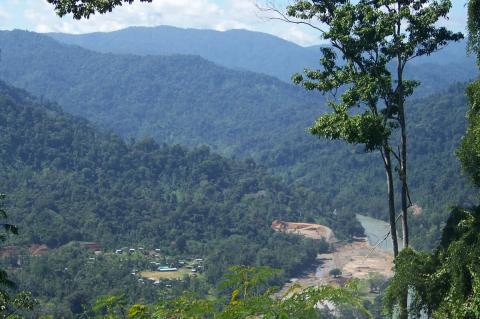
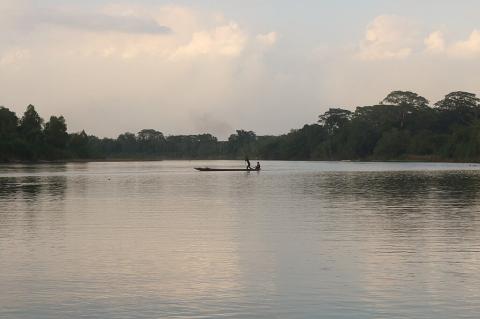
The Patuca River is the longest and most significant river in Honduras. It flows from the mountains of central Honduras to the Caribbean Sea and shapes the geography, ecology, and culture of the eastern region of the country. The river supports a wide array of ecosystems and human settlements. Despite its ecological importance, the river faces challenges from deforestation, hydroelectric projects, and climate change.

The Sierra Madre de Chiapas: A Vital Natural Divide

The Sierra Madre de Chiapas is an impressive mountain range that extends parallel to the Pacific coast in southern Mexico and northern Central America. As the southernmost extension of the Sierra Madre Mountain System, this range is a significant geographical and ecological landmark. Spanning multiple countries, the Sierra Madre de Chiapas is known for its diverse ecosystems, volcanic activity, and role in the region's hydrology.