Natural Landmarks in South America

Chiribiquete: Where Ancient Stone Embraces a National Sanctuary

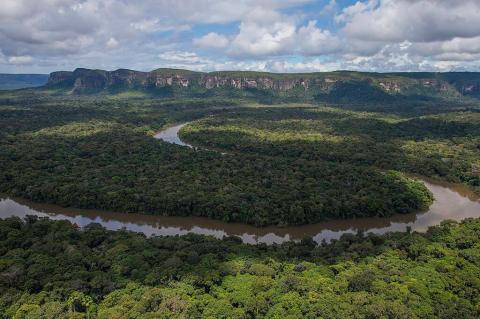
Rising from the Colombian Amazon, the Serranía de Chiribiquete is a breathtaking sandstone plateau, sculpted by nature over millions of years. This rugged mountain range forms the core of Chiribiquete National Natural Park, a protected area of immense ecological and cultural significance. The park is intrinsically linked to the serranía, serving as a vital sanctuary for its unparalleled biodiversity and remarkable archaeological secrets etched onto its rock faces.
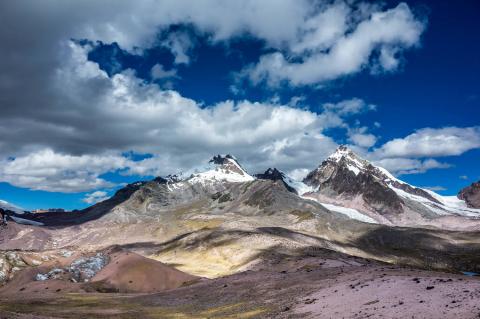
Cordillera Vilcanota: An Andean Marvel of Natural and Cultural Heritage

The Cordillera Vilcanota, nestled in southeastern Peru, is a testament to the Andes' stunning beauty and rich cultural legacy. Stretching across the departments of Cusco and Puno, this mountain range forms one of the southern branches of the Cordillera Occidental of the Peruvian Andes. Vinicunca, or "Rainbow Mountain," is a natural landmark. Ausangate, significant in Incan mythology, is the tallest peak in the range.

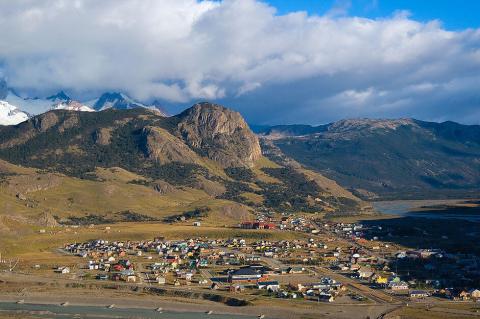
El Chaltén, Mount Fitz Roy, Cerro Torre, and Lago del Desierto: Discovering the Untamed Splendor of Argentine Patagonia

Nestled amidst the rugged wilderness of Los Glaciares National Park, the village of El Chaltén stands as a beacon of adventure at the heart of Argentine Patagonia. This gateway leads to the iconic peaks of Cerro Torre and Cerro Fitz Roy, as well as Lago del Desierto, a tranquil lake surrounded by stunning landscapes. Argentina's rugged Patagonia is discovered through these breathtaking destinations.

Exploring Vicente Pérez Rosales: Chile's Oldest National Park

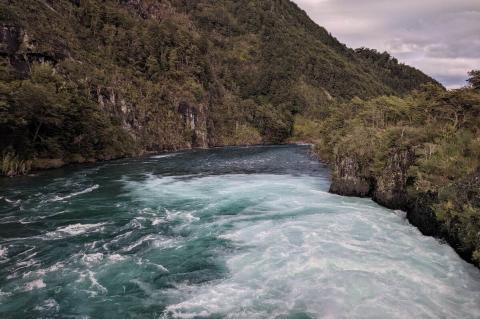
Vicente Pérez Rosales National Park, Chile's first, is named in honor of Vicente Pérez Rosales, a revered Chilean politician and diplomat. It encompasses an expansive area within the Lakes Region of the Chilean Andes and is renowned for its breathtaking and diverse landscapes. It hosts the iconic Lake Todos Los Santos and the Petrohué Waterfalls, surrounded by Valdivian temperate rainforests, a sanctuary for numerous plant and animal species.

Gocta Waterfall: Peru's Hidden Wonder of the Andes

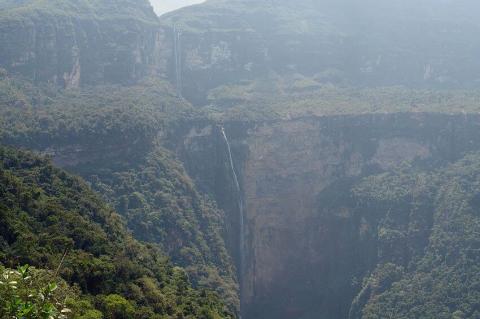
Tucked away in the northern Peruvian Andes, the Gocta Waterfall (Catarata de Gocta) is one of the world's most breathtaking natural wonders. With its towering cascades plunging into the dense, green cloud forest, Gocta has captured the imagination of adventurers and nature lovers alike. Located in the Bongará Province of northern Peru, the waterfall symbolizes Peru's extraordinary biodiversity and the natural beauty of the Amazonas region.

Guardians of the Sky: The Majestic Mount Roraima and Pacaraima Mountains

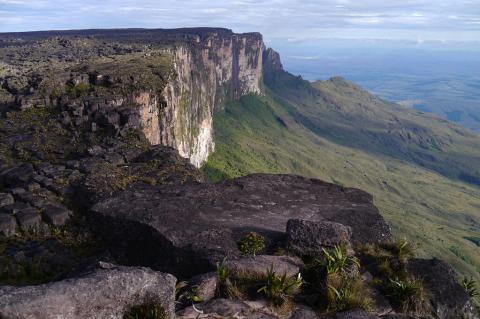
Mount Roraima and the Pacaraima Mountains represent some of South America's most awe-inspiring and geologically significant landscapes. With their unique ecosystems and dramatic geological features, these towering tepui plateaus hold a central place in the natural heritage of Venezuela, Guyana, and Brazil. Their geographical, ecological, and cultural significance highlights their unique characteristics and the rich biodiversity they support.

Ica and Huacachina: Oases of Culture and Nature in Peru's Desert South

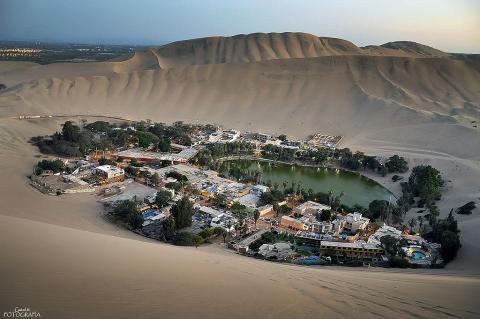
Nestled between the barren expanses of the Ica Desert and the vibrant culture of southern Peru lies the city of Ica, a place rich in history, natural wonders, and iconic traditions. Known for its ties to the ancient Inca civilizations and the Spanish colonial period and as the home of Peru's national drink, Pisco, Ica has much to offer. Just beyond the city's boundaries lies one of Peru's most stunning natural features: the Huacachina Oasis, a shimmering jewel in the desert landscape that attracts travelers from across the globe.

Iguaçu Falls: Brazil’s Thunderous Natural Wonder

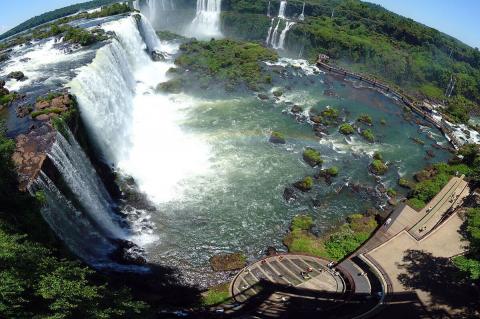
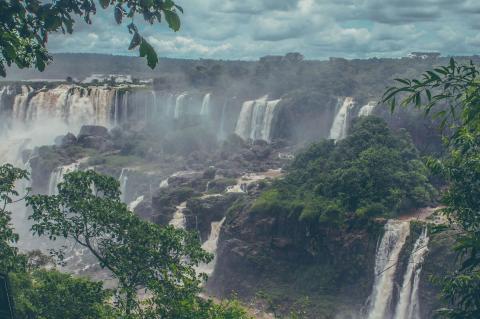
Iguaçu Falls is one of the world's most magnificent natural spectacles. Located at the border between Brazil and Argentina, the falls are part of the Iguaçu River, which plunges dramatically over the Paraná Plateau before continuing through a canyon. Featuring around 275 individual waterfalls, Iguaçu Falls is nearly three times wider than North America's Niagara Falls and significantly broader than Victoria Falls in Africa. The falls are a UNESCO World Heritage Site, attracting millions of visitors annually to witness their awe-inspiring beauty and ecological significance.

Iguazú Falls, Argentina: A Natural Wonder on the Border

Iguazú Falls, straddling the border between Argentina's Misiones Province and Brazil's Paraná State, is one of the world's most spectacular natural wonders and a marvel of nature. Divided into hundreds of individual falls, including the iconic Devil's Throat, Iguazú's immense scale and beauty draw millions of visitors annually. The falls are surrounded by lush subtropical rainforests within the Iguazú National Park, a UNESCO World Heritage Site known for its rich biodiversity and conservation significance.

Journey Through the Dunes: Lençóis Maranhenses National Park

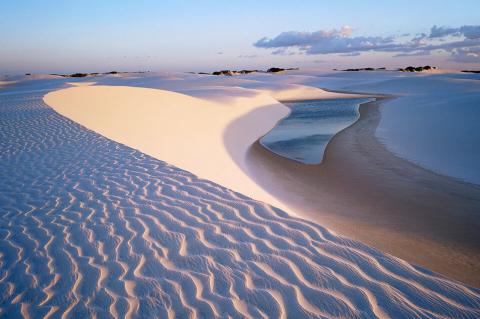
Located in Brazil's northeastern region, Lençóis Maranhenses National Park is a captivating example of nature's artistry and resilience. Extending across a vast expanse in Maranhão state, this protected area and UNESCO World Heritage Site encompasses a diverse range of landscapes, including windswept dunes, seasonal lagoons, and verdant oases. Exploring the mysteries of this unique ecosystem involves delving into its dynamic terrain and rich biodiversity.