Protected Areas in Brazil

Jaú National Park: A Vast and Untouched Amazonian Wilderness

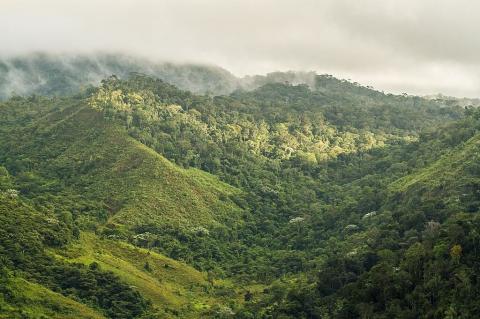
Jaú National Park is one of Brazil's largest and most pristine protected areas in the heart of the Amazon rainforest. Situated in the Amazonas region of northwestern Brazil and recognized as a UNESCO site, Jaú National Park forms part of the Central Amazon Conservation Complex. This vast ecological corridor supports one of the richest biodiverse environments on Earth. This park offers an invaluable refuge for countless species of flora and fauna while playing a crucial role in global conservation efforts.

Journey Through the Dunes: Lençóis Maranhenses National Park

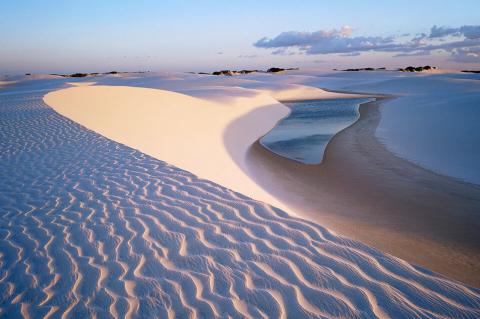
Located in Brazil's northeastern region, Lençóis Maranhenses National Park is a captivating example of nature's artistry and resilience. Extending across a vast expanse in Maranhão state, this protected area and UNESCO World Heritage Site encompasses a diverse range of landscapes, including windswept dunes, seasonal lagoons, and verdant oases. Exploring the mysteries of this unique ecosystem involves delving into its dynamic terrain and rich biodiversity.

Moconá Falls: A Natural Wonder Along the Uruguay River

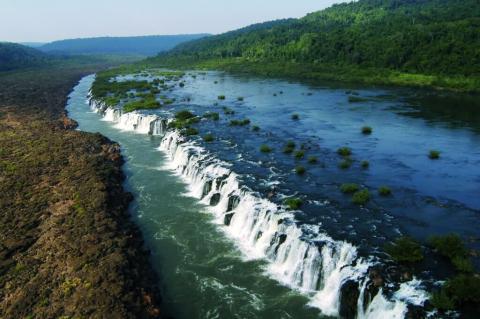
Moconá Falls, located along the Uruguay River on the border between Argentina and Brazil, offers a truly unique and captivating spectacle in the world of waterfalls. Known as Yucumã Falls on the Brazilian side, this natural marvel presents a striking departure from traditional waterfall formations, as its waters run parallel to the river's flow rather than plunging vertically. Nestled within the lush rainforests of Argentina's Misiones Province and Brazil's Rio Grande do Sul, Moconá Falls are part of two adjoining protected areas.

Pantanal Conservation Area: A Sanctuary for Brazil’s Wildlife and Wetlands

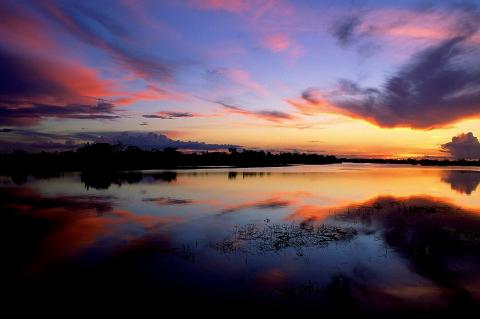
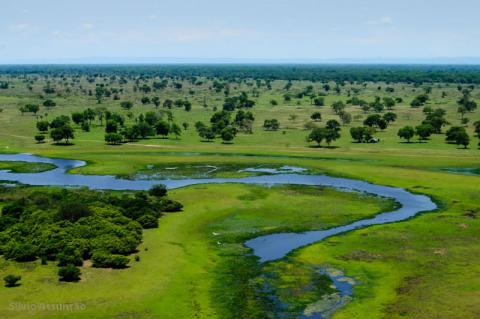
In the heart of centralwestern Brazil lies one of the most biodiverse and awe-inspiring ecosystems on Earth: the Pantanal Conservation Area. It forms part of the vast Pantanal, the world's largest tropical wetland, shared across Brazil, Bolivia, and Paraguay. Designated as a UNESCO site, the Pantanal Conservation Area comprises a protected region network, including the Pantanal Matogrossense National Park and the Special Reserves of Acurizal, Penha, and Doroché. This unique area hosts an astonishing range of wildlife and is critical in ecological processes that sustain life in the wetlands.

Pico da Neblina: Brazil's Pinnacle of Wilderness and Cultural Heritage

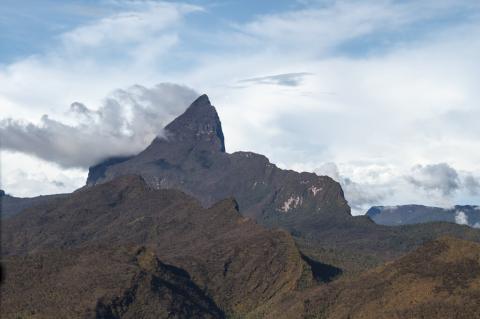
Pico da Neblina National Park, located in the far north of Brazil, is a remote and ecologically significant area encompassing Brazil's highest peak, Pico da Neblina. This vast park, bordering Venezuela, is part of the larger Amazon Rainforest biome and remains one of Brazil's most pristine and biodiverse regions. With limited human access and deep cultural ties to Indigenous peoples, the park represents an important symbol of conservation, environmental diversity, and natural beauty.

Preservation of Biodiversity: Brazil's Discovery Coast Atlantic Forest Reserves

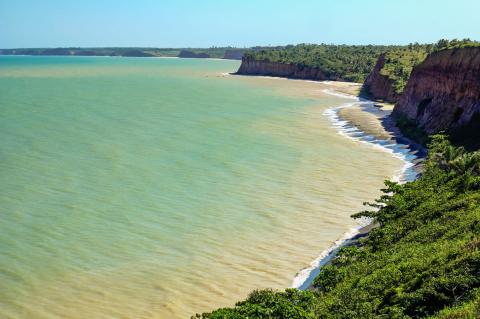
The Discovery Coast Atlantic Forest Reserves in northeastern Brazil exhibit a stunning variety of ecosystems, showcasing the Atlantic Forest biome's evolutionary history and ecological processes. The landscape is characterized by coastal tablelands, sandy beaches, sea cliffs, lagoons, and coral reefs, creating a habitat for a diverse range of flora and fauna. The region boasts an exceptional botanical diversity and is particularly rich in tree species.

São Joaquim National Park: A Sanctuary of Southern Brazil

São Joaquim National Park, located in the state of Santa Catarina in southern Brazil, is a magnificent testament to the country's diverse natural beauty. The park is renowned for its pristine remnants of Paraná pine forests, rugged terrain, and alpine meadows. This park is a haven for nature enthusiasts, offering opportunities for hiking, alpinism, and observing unique flora and fauna.

Serra da Bocaina: Guardian of the Atlantic Forest

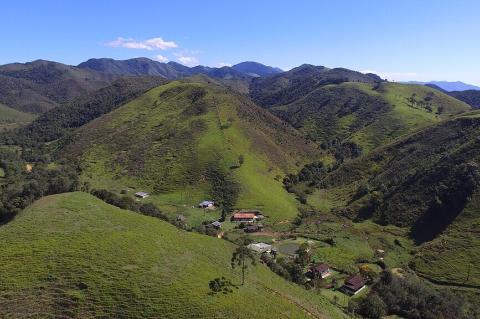
Where the rugged mountains of São Paulo meet the modern world, the Serra da Bocaina emerges—a breathtaking tribute to Brazil's commitment to preserving its most precious natural treasures. This mountain sanctuary, a crucial refuge for endangered species like jaguars and woolly spider monkeys, is safeguarded as Serra da Bocaina National Park. The park protects some of the world's most pristine Atlantic Forest ecosystems and serves as a vital connection between Brazil's coastal and inland ecosystems.

Serra da Canastra: A Rich Blend of Natural Splendor and Biodiversity

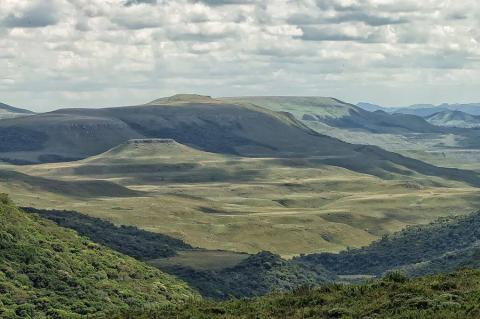
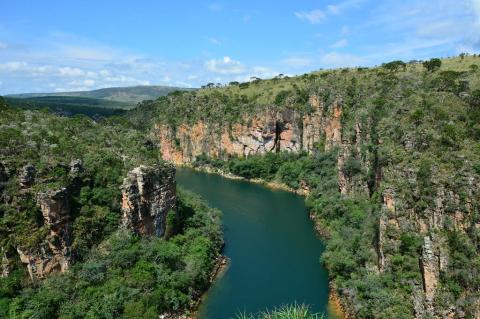
The Serra da Canastra is a significant mountain range in the western part of Minas Gerais state in southeastern Brazil. Nestled within the Brazilian Highlands, it is noted for its striking landscapes, rich biodiversity, and economic resources. The range's unique geological features and ecosystems make it an area of natural beauty and scientific interest. The range is also the birthplace of the São Francisco River, one of Brazil's most essential watercourses.

Serra da Capivara: Brazil's Archaeological and Natural Treasure

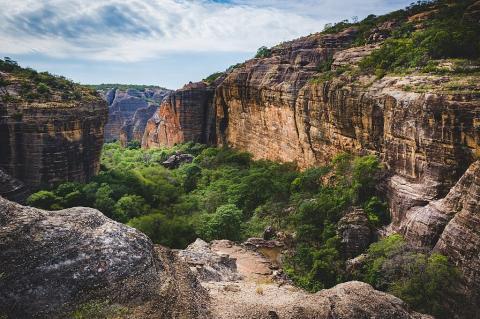
The Serra da Capivara National Park is situated in the northeastern state of Piauí, Brazil. This park is a fascinating mix of geological marvels, archaeological importance, and exceptional biodiversity. Its main objective is safeguarding its prehistoric artifacts and rock paintings, some dating back thousands of years. Recognized as a UNESCO World Heritage Site, the Serra da Capivara is evidence of ancient human creativity and a refuge for the varied flora and fauna of the Caatinga.