Protected Areas in Brazil

Cavernas do Peruaçu National Park: Exploring Brazil's Peruaçu River Canyon

In northern Minas Gerais, Brazil, the Peruaçu River Canyon, a UNESCO World Heritage Site, is encompassed by Cavernas do Peruaçu National Park. This remarkable landscape showcases geological formations, biological diversity, and human history spanning millennia. Limestone formations have created an underground world with over 140 caves and prehistoric rock art dating back 12,000 years. The canyon exemplifies the interplay of geological, natural, and cultural development that has shaped this unique corner of Brazil.

Chapada Diamantina: Exploring Nature's Masterpiece in the Brazilian Highlands

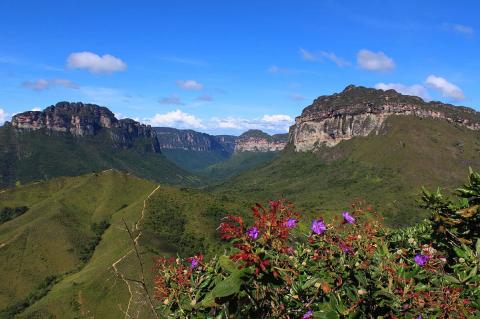
Nestled in the northeastern reaches of Brazil, Chapada Diamantina unfolds as a vibrant region of extraordinary landscapes and rugged mountainous terrain within the Brazilian Highlands. This region is situated within the Brazilian Highlands and is geographically diverse and culturally rich. Chapada Diamantina National Park, an integral part of the Chapada Diamantina region, is a testament to its ecological importance.

Chapada dos Veadeiros: Brazil's Ancient Cerrado Sanctuary

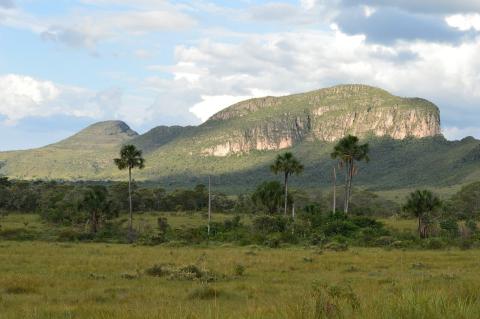
In Brazil's central plateau, crystalline waters flow over ancient rocks amid endemic species in one of Earth's most diverse savannas, Chapada dos Veadeiros National Park. This protected area highlights the Cerrado biome's ecological richness and is a vital sanctuary for unique species. Rising from the highlands like a natural cathedral of stone and water, it acts as a living museum of billions of years of evolution. As a UNESCO Site, it is a crucial refuge for the endangered Cerrado ecosystem, conserving genetic resources and ecological processes for the planet's future.

Emas National Park: Brazil's Grassland Sanctuary

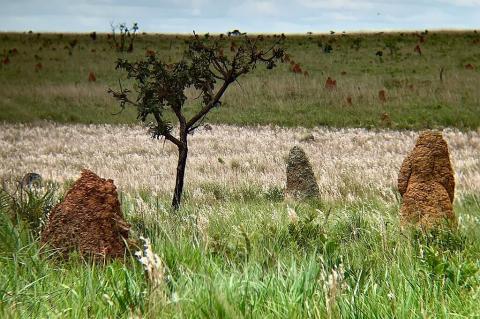
In the vast expanse of Brazil's central grasslands, where undulating savannas stretch to the horizon and termite mounds rise like ancient monuments, lies Emas National Park. Named after the greater rhea—the majestic flightless bird that roams these endless plains—this remarkable protected area represents one of the Cerrado's most pristine grassland ecosystems. Covering a large swath of cerrado savannah between the states of Goiás and Mato Grosso do Sul, Emas stands as a testament to the extraordinary biodiversity that once characterized Brazil's vast central plateau.

Exploring Campos Gerais National Park: A Geological and Ecological Haven

Campos Gerais National Park, nestled in the south-central region of the state of Paraná, Brazil, is a treasure trove of geological wonders, rich biodiversity, and cultural history. This protected area, established in 2006, spans across Ponta Grossa, Castro, and Carambeí municipalities. The park's unique landscapes and ecosystems make it a vital conservation area within the Atlantic Forest biome, renowned for its biodiversity.

Grande Sertão Veredas National Park: A Biodiversity Haven in the Heart of Brazil

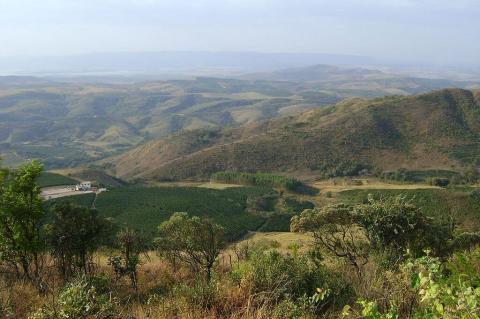
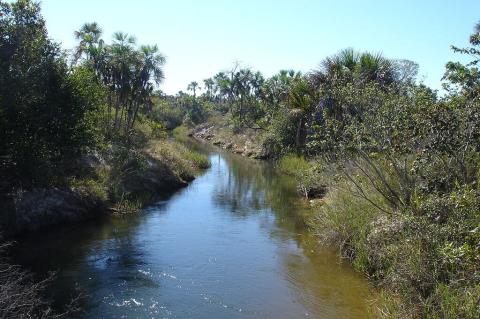
Nestled at the intersection of Minas Gerais and Bahia states in east-central Brazil, Grande Sertão Veredas National Park stands as a tribute to the abundant natural legacy of the Cerrado biome. Recognized for its expansive streams and veredas, resembling meandering pathways, the park offers a glimpse into various ecosystems, encompassing forests, savannas, and lush cerrado vegetation.

Guardians of the Amazon: The Central Amazon Conservation Complex

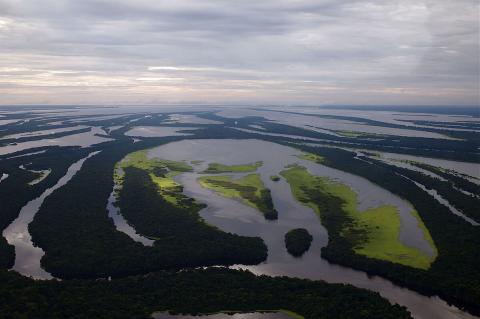
The Central Amazon Conservation Complex is one of Earth's largest and most biologically diverse protected areas. It is located in the heart of the Amazon Basin, west-northwest of Manaus, Brazil; the complex forms the core of the Central Amazon Ecological Corridor. This vast area encompasses some of the most critical ecosystems in Amazonia, representing a wide array of flora and fauna, including numerous endangered and endemic species. This UNESCO World Heritage Site is essential in preserving the ecological integrity of the world's largest tropical rainforest.

Iguaçu Falls: Brazil’s Thunderous Natural Wonder

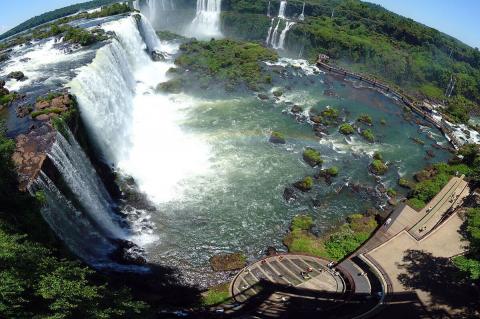
Iguaçu Falls is one of the world's most magnificent natural spectacles. Located at the border between Brazil and Argentina, the falls are part of the Iguaçu River, which plunges dramatically over the Paraná Plateau before continuing through a canyon. Featuring around 275 individual waterfalls, Iguaçu Falls is nearly three times wider than North America's Niagara Falls and significantly broader than Victoria Falls in Africa. The falls are a UNESCO World Heritage Site, attracting millions of visitors annually to witness their awe-inspiring beauty and ecological significance.

Itatiaia National Park: Brazil's First and Finest Natural Sanctuary

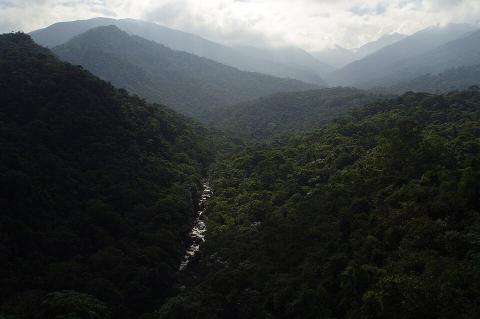
Itatiaia National Park, Brazil's first, offers a glimpse into the country's rich biodiversity and stunning landscapes. Nestled in southeastern Brazil, straddling the states of Rio de Janeiro and Minas Gerais, Itatiaia is a testament to conservation efforts and the natural beauty of the Atlantic Forest and high mountain plains. Exploring the park's history, geography, ecological significance, and diverse flora and fauna reveals its unique value and allure.

Jalapão State Park: Brazil's Oasis of Natural Beauty

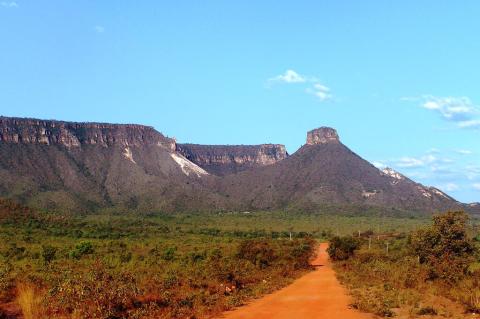
Jalapão State Park, nestled in the heart of Brazil's Tocantins state, is a testament to the country's rich natural heritage. This expansive protected area, renowned for its unique landscapes and biodiversity, attracts adventurers and nature enthusiasts from around the globe. Located within the Cerrado biome, the park conserves Brazil's natural heritage, serving as a sanctuary for endangered species and fragile ecosystems.