
Chapada dos Veadeiros: Brazil's Ancient Cerrado Sanctuary
In Brazil's central plateau, crystalline waters flow over ancient rocks amid endemic species in one of Earth's most diverse savannas, Chapada dos Veadeiros National Park. This protected area highlights the Cerrado biome's ecological richness and is a vital sanctuary for unique species.
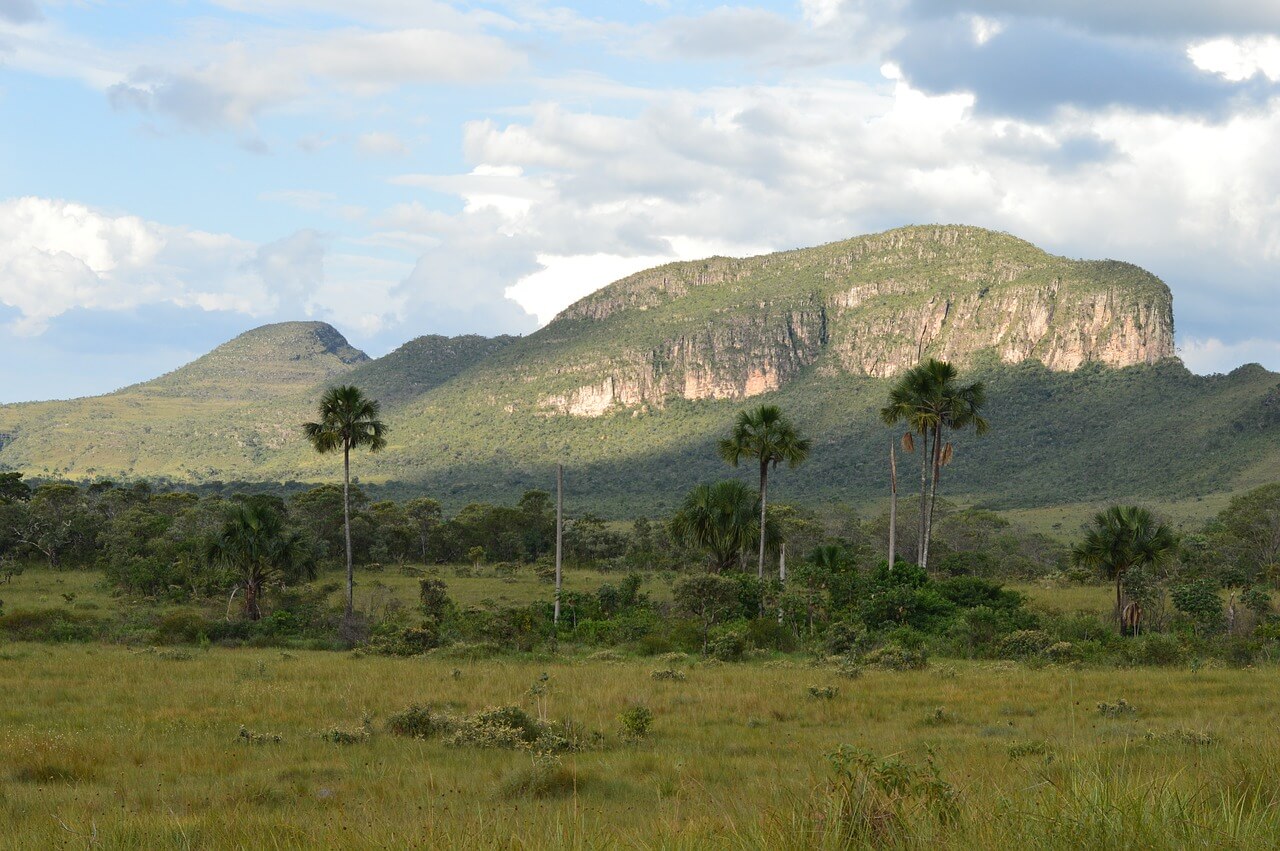
Chapada dos Veadeiros National Park: Guardian of the World's Oldest Tropical Savanna
In the heart of Brazil's central plateau, where crystalline waters cascade down ancient rock formations and endemic species thrive in one of Earth's most biodiverse savannas, lies Chapada dos Veadeiros National Park. This remarkable protected area stands as a testament to the ecological richness of the Cerrado biome and serves as a crucial sanctuary for countless species found nowhere else on Earth.
Rising from the Brazilian highlands like a natural cathedral of stone and water, Chapada dos Veadeiros represents a living museum of evolutionary history spanning billions of years. The park's name, which translates to "Plateau of the Deer," reflects the abundant wildlife that has made these ancient tablelands their home for millennia. Designated as part of a UNESCO Biosphere Reserve in 1993 and inscribed as a World Heritage Site in 2001 (alongside Emas National Park), this protected area serves as a critical refuge for the rapidly disappearing Cerrado ecosystem, preserving genetic resources and ecological processes essential for the planet's environmental future.
Geographic Setting and Ancient Formations
Situated atop an ancient plateau with altitudes ranging from 600 to 1,650 meters (1,969 to 5,413 feet), Chapada dos Veadeiros encompasses approximately 929 square miles (2,407 square kilometers) of pristine Cerrado habitat in Goiás state. The park is renowned for its more than 300 waterfalls and rock formations that are among the oldest in the world, including dramatic cascades ranging from 80 to 120 meters (260 to 390 feet) high.
The geological foundations tell a story spanning billions of years, with quartzite outcrops dating back over one billion years, creating moonlike landscapes carved by millennia of wind and water erosion. The famous Vale da Lua (Valley of the Moon) exemplifies this geological artistry, where water has sculpted extraordinary rock formations over countless eons.
The Cerrado: A Global Treasure
The park protects a crucial section of the Cerrado biome, one of the world's oldest and most diverse tropical ecosystems. This elevated plateau serves as a natural water tower, feeding major river systems including tributaries of the Amazon, Tocantins, and Paraná rivers. The Cerrado's hydrological importance, combined with its exceptional biodiversity, makes preservation of areas like Chapada dos Veadeiros essential for regional and global ecological stability.
Exceptional Biodiversity
The biological richness of Chapada dos Veadeiros is staggering—it hosts more than 60% of all plant species and almost 80% of all vertebrate species observed in the Cerrado. This concentration of biodiversity within a relatively small area underscores the park's critical conservation role.
Flora: Masters of Adaptation
The park's vegetation showcases remarkable adaptability, ranging from dense gallery forests to open grasslands. In sandy plateaus and warm rocky fields, visitors find exotic cacti, bromeliads, and orchids, with hundreds of endemic species. Cerrado flora has evolved unique survival strategies, including deep root systems extending up to 15 meters (49 feet) underground and specialized storage organs to withstand periodic fires that naturally maintain ecosystem structure.
Notable among the park's plant families are the Eriocaulaceae, including numerous endemic species of sempre-vivas (everlastings) that have adapted to the region's unique soil conditions and contribute significantly to botanical diversity.
Fauna: Icons of the Cerrado
All endangered great mammals of the Cerrado are present except the giant otter. The maned wolf (Chrysocyon brachyurus), often called the "fox on stilts," stands up to 90 centimeters (35 inches) at the shoulder with long legs evolved to navigate tall grasses. Despite its name, this unique canid represents an ancient lineage specifically adapted to the Cerrado environment.
The giant anteater (Myrmecophaga tridactyla) reaches lengths of up to 2 meters (6.5 feet) excluding its bushy tail and consumes up to 35,000 ants and termites daily, making it essential to the Cerrado's food web. The jaguar (Panthera onca) serves as an apex predator, while the giant armadillo (Priodontes maximus), weighing up to 54 kilograms (119 pounds), acts as an ecosystem engineer by creating burrows that shelter numerous other species.
Other threatened species include the pampas deer (Ozotoceros bezoarticus), marsh deer (Blastocerus dichotomus), and the greater rhea (Rhea americana)—South America's largest bird at heights up to 1.5 meters (5 feet).
Hidden Diversity
The park's importance extends beyond charismatic megafauna to encompass a rich diversity of smaller vertebrates and invertebrates, including endemic species and undescribed mammals that demonstrate the Cerrado's little-known biological treasures. This hidden diversity includes numerous bats, rodents, marsupials, and countless invertebrate species playing crucial ecological roles.
UNESCO Recognition and Conservation Significance
Chapada dos Veadeiros has received multiple layers of international recognition for its exceptional ecological value. Initially designated as part of the Cerrado Biosphere Reserve in 1993 under UNESCO's Man & Biosphere Programme, the park later achieved World Heritage Site status in 2001 as part of the "Cerrado Protected Areas" serial property, which also includes Emas National Park. This dual UNESCO designation reflects both the park's role in sustainable development and conservation education (as a Biosphere Reserve) and its outstanding universal value to humanity (as a World Heritage Site). The park lies within a Conservation International-designated hotspot and WWF global priority area, highlighting its critical importance for global biodiversity conservation.
This recognition reflects the park's role as a representative sample of the threatened Cerrado biome, which faces increasing pressure from agricultural expansion and climate change. The park's conservation value encompasses essential ecosystem services, including carbon sequestration, water regulation, and climate moderation.
Cultural Heritage and Management
The region's human history spans millennia, with Indigenous peoples having shaped these landscapes long before the 18th-century gold rush that led to early colonial settlements. Today, the park is managed by the Chico Mendes Institute for Biodiversity Conservation, which faces the challenging task of balancing conservation with growing tourism pressure.
Ecotourism and Research
The region serves as a premier destination for nature-based tourism, offering extensive hiking trails, canyoning, and swimming opportunities. Well-managed ecotourism provides economic incentives for conservation while raising awareness about the importance of the Cerrado, though increasing visitor numbers require careful management to prevent habitat degradation.
Chapada dos Veadeiros functions as a crucial natural laboratory for scientific research, providing insights into Cerrado ecology, evolution, and conservation. Ongoing studies focus on plant-pollinator interactions, fire ecology, and climate change impacts, while new species discoveries continue to reveal the extent of unknown Cerrado biodiversity.
Conservation Challenges and Future
Despite its protected status, the park faces numerous challenges, including habitat fragmentation, agricultural pressure, and climate change. Altered fire regimes, shifting precipitation patterns, and temperature changes threaten ecosystem stability. Conservation success requires expanding protected networks, creating biological corridors, and promoting sustainable land use practices.
International cooperation through UNESCO World Heritage status provides frameworks for global engagement, but sustained funding and technical assistance remain crucial. Education and outreach programs must continue building support among local communities and international audiences for long-term conservation success.
Conclusion
Chapada dos Veadeiros National Park represents a crown jewel of Brazilian conservation, protecting one of Earth's most ancient and biodiverse ecosystems. Its spectacular waterfalls, endemic species, and billion-year-old rock formations tell the story of evolutionary processes spanning millions of years. As pressures on the Cerrado intensify, this irreplaceable refuge serves not only as a sanctuary for countless species but as a symbol of Brazil's commitment to environmental stewardship.
The park's crystal-clear waters, endemic flowers, and wild inhabitants remind us of our planet's incredible capacity for beauty and diversity—and our responsibility to protect these natural treasures for future generations. Through continued conservation efforts, scientific research, and international cooperation, Chapada dos Veadeiros will continue serving as a beacon of hope for one of the world's most threatened biomes.