Protected Areas in South America

The Cordillera del Cóndor: An Ecological and Cultural Gem at the Heart of the Andes

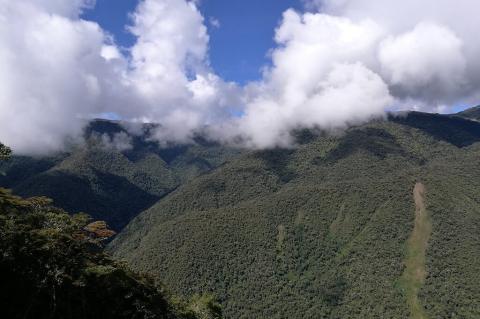
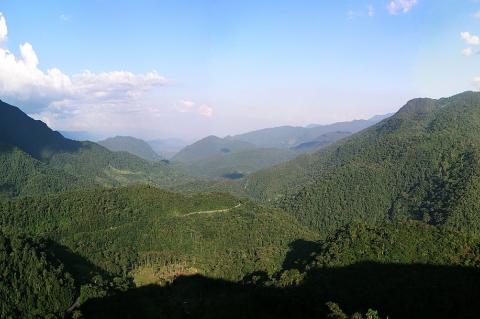
The Cordillera del Cóndor, located on the border between Ecuador and Peru, is a testament to the remarkable diversity of life on our planet. This mountain range, with its rugged peaks and verdant valleys, has captured the attention of scientists and conservationists. It is the ancestral home of the Shuar people and is surrounded by protected areas, offering a journey into one of the world's most biodiverse regions.

The Corredor Biológico Nevados de Chillán - Laguna del Laja: A Sanctuary of Biodiversity at the Gateway to Patagonia

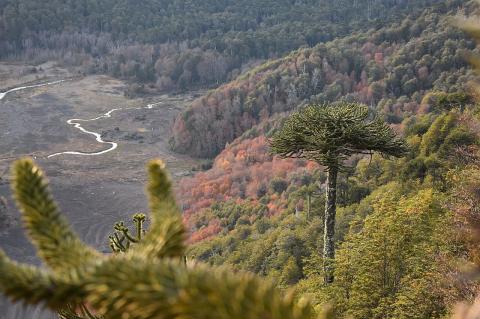
In the heart of Chile's south-central Andes, where the temperate forests begin their transition toward the wilds of Patagonia, lies one of South America's most significant conservation achievements: the Corredor Biológico Nevados de Chillán - Laguna del Laja. This UNESCO Biosphere Reserve represents a triumph of ecological connectivity by linking diverse ecosystems across a landscape of extraordinary biological and geological importance. This expansive biological corridor serves as a critical refuge for endangered species and demonstrates innovative approaches to landscape-scale conservation.

The Delta del Orinoco: A Biological Treasure Trove

Nestled in the northeastern corner of Venezuela, the Delta del Orinoco Biosphere Reserve and its associated national parks form a vast and diverse ecosystem of immense ecological and cultural significance. Designated as a biosphere reserve by UNESCO in 2009, this region represents a unique confluence of terrestrial, aquatic, and marine environments, harboring an extraordinary array of flora and fauna.

The Eastern Tropical Pacific Marine Corridor: Safeguarding the Seas

The Eastern Tropical Pacific Marine Corridor is a vital marine conservation initiative encompassing several key marine protected areas across the eastern Pacific Ocean. Spanning the waters of Costa Rica, Panama, Colombia, and Ecuador, this corridor aims to preserve one of the planet's richest and most diverse marine ecosystems. The corridor serves as a blueprint for international cooperation in marine conservation.

The Enigmatic Ruins of Guayabo de Turrialba: Echoes of a Lost Civilization

Guayabo de Turrialba, nestled amidst the lush wilderness of the Turrialba Volcano, is a testament to Costa Rica's rich pre-Columbian history, nestled amidst the lush wilderness of the Turrialba Volcano. As the largest pre-Columbian city discovered in Costa Rica, the Guayabo National Monument offers a glimpse into the lives of the people who once thrived in this ancient urban center.

The Guano Reserve System: Balancing Nature and History Along Peru's Coast

The Guano Islands, Islets, and Capes National Reserve System is one of Peru's most critical protected areas, safeguarding a network of coastal habitats rich in biodiversity and natural resources. The reserve spans the length of the Peruvian coastline, comprising islands, islets, and a collection of coastal promontories. With a primary focus on conserving marine ecosystems and the historic guano-producing islands, the reserve system is a vital refuge for numerous species of birds, marine mammals, and marine life, many of which rely on the nutrient-rich waters of the Humboldt Current.

The Hidden Wonders of Corcovado National Park

Corcovado National Park, located in the Los Lagos Region of southern Chile, stands as a testament to the country's dedication to preserving its natural heritage. It is Chile's fourth-largest national park and one of the world's most remote and untouched landscapes. The park owes much of its existence to the generous land donation by Tompkins Conservation. The park's isolation, challenging terrain, and lack of public access make it a pristine sanctuary for diverse flora and fauna.

The Humboldt Penguin National Reserve: A Marine Wildlife Sanctuary in Northern Chile

Nestled along Chile's northern Pacific coast, the Humboldt Penguin National Reserve is one of South America's most remarkable marine wildlife sanctuaries. Located north of Santiago and northeast of La Serena, this protected area includes three pristine islands that rise from the nutrient-rich waters of the Humboldt Current: Isla Damas, Isla Choros, and Isla Chañaral de Aceituno. These islands are vital habitats for many marine species, especially the vulnerable Humboldt penguin.

The Iberá Wetlands: Argentina's Natural Wonderland

Nestled in the province of Corrientes in northwestern Argentina lies the breathtaking ecosystem known as the Iberá Wetlands, or Esteros del Iberá. This expansive wetland marvel unfolds as a mosaic of marshes, swamps, bogs, lakes, and lagoons, creating one of the most significant freshwater reservoirs on the South American continent. Seamlessly integrated into the Humid Chaco ecoregion, the wetlands serve as a vast ecological haven. Beyond its sheer size, this intricate network of water bodies plays a pivotal role in sustaining the region's water supply and acting as a crucial force in flood control.

The Icy Giants of the Colombian Andes: Exploring the Sierra Nevada de Güicán, El Cocuy, and Chita

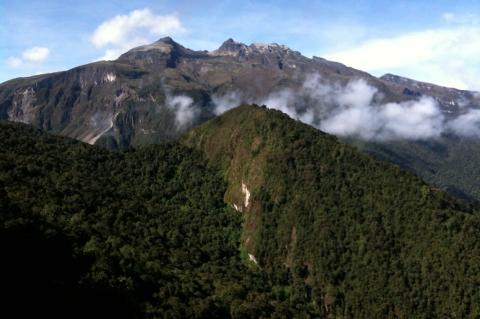
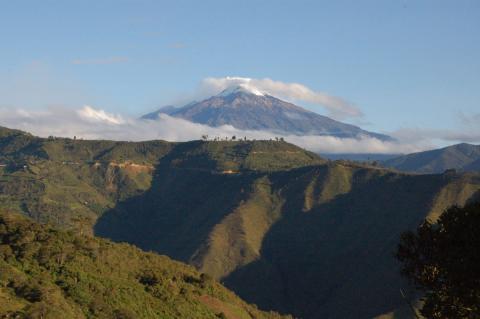
The Sierra Nevada de Güicán, El Cocuy, and Chita is a breathtaking range within the Andes Mountains of Colombia. This range, known for its stunning snow-capped peaks and glacial landscapes, is Colombia's largest glacial mass and the largest in South America north of the equator. This range holds deep cultural significance for the indigenous U'wa people and is a haven for biodiversity. Its awe-inspiring beauty and ecological and cultural importance make it one of Colombia's most treasured natural landmarks.