World Heritage Sites in Brazil

Iguaçu Falls: Brazil’s Thunderous Natural Wonder

Iguaçu Falls is one of the world's most magnificent natural spectacles. Located at the border between Brazil and Argentina, the falls are part of the Iguaçu River, which plunges dramatically over the Paraná Plateau before continuing through a canyon. Featuring around 275 individual waterfalls, Iguaçu Falls is nearly three times wider than North America's Niagara Falls and significantly broader than Victoria Falls in Africa. The falls are a UNESCO World Heritage Site, attracting millions of visitors annually to witness their awe-inspiring beauty and ecological significance.

Jesuit Missions of the Guaranis: A Cultural Convergence in South America

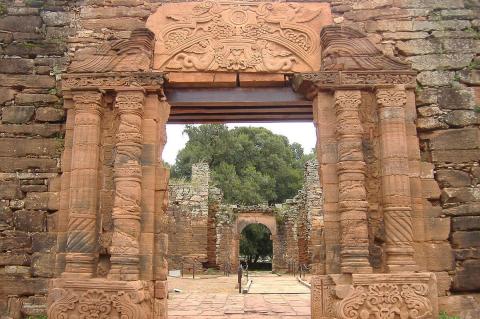
The Jesuit Missions of the Guaranis, located in Argentina and Brazil, showcase the convergence of European and indigenous cultures during the 17th and 18th centuries. These settlements, founded by the Society of Jesus, aimed to Christianize and integrate the Guaraní people into a religious and cultural system that remains a testament to harmonious coexistence. This chapter of history is marked by remarkable architecture, cultural exchange, and a legacy that has earned recognition as a UNESCO World Heritage Site.

Journey Through the Dunes: Lençóis Maranhenses National Park

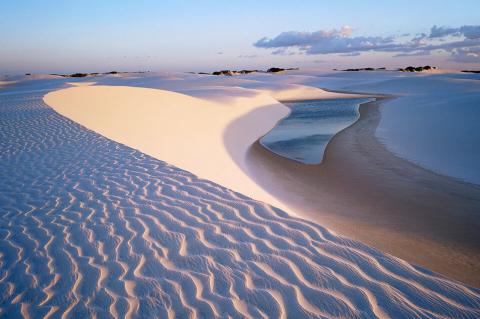
Located in Brazil's northeastern region, Lençóis Maranhenses National Park is a captivating example of nature's artistry and resilience. Extending across a vast expanse in Maranhão state, this protected area and UNESCO World Heritage Site encompasses a diverse range of landscapes, including windswept dunes, seasonal lagoons, and verdant oases. Exploring the mysteries of this unique ecosystem involves delving into its dynamic terrain and rich biodiversity.

Olinda: A Timeless Treasure of Colonial Brazil

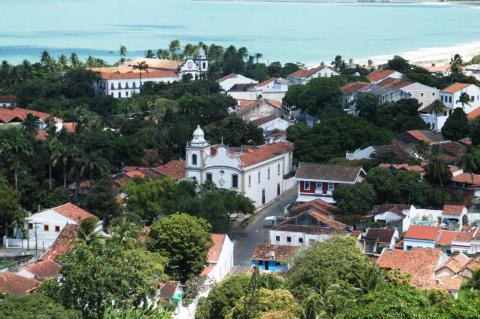
Olinda, a historic town in northeastern Pernambuco, Brazil, captivates visitors with its rich cultural heritage and stunning colonial architecture. Perched on a hill overlooking the Atlantic coast, just a few kilometers north of Recife, Olinda is a treasure trove of history and culture, recognized as a UNESCO World Heritage site. Exploring Olinda reveals its historical significance, architectural marvels, and contemporary cultural landscape

Pampulha Modern Ensemble: Masterpiece of Brazilian Modernism

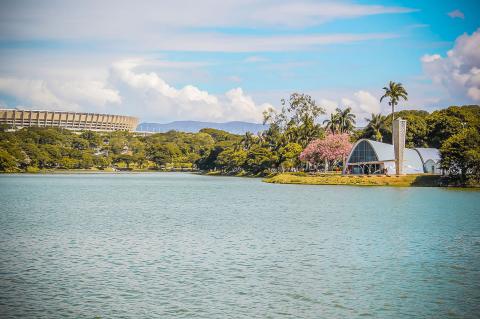
Encircling an artificial lake in Belo Horizonte, the Pampulha Modern Ensemble stands as one of the 20th century's most influential architectural achievements. Created in 1940, this cultural and leisure complex represents a pivotal moment when modernist architecture broke free from rigid European orthodoxy to embrace the curves, colors, and climate of Brazil. Through the work of architect Oscar Niemeyer, landscape designer Roberto Burle Marx, and a collaborative team of innovative artists, Pampulha pioneered an organic modernism that would echo throughout Latin America and beyond.

Pantanal Conservation Area: A Sanctuary for Brazil’s Wildlife and Wetlands

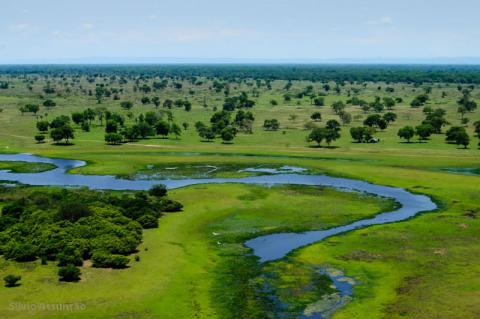
In the heart of centralwestern Brazil lies one of the most biodiverse and awe-inspiring ecosystems on Earth: the Pantanal Conservation Area. It forms part of the vast Pantanal, the world's largest tropical wetland, shared across Brazil, Bolivia, and Paraguay. Designated as a UNESCO site, the Pantanal Conservation Area comprises a protected region network, including the Pantanal Matogrossense National Park and the Special Reserves of Acurizal, Penha, and Doroché. This unique area hosts an astonishing range of wildlife and is critical in ecological processes that sustain life in the wetlands.

Preservation of Biodiversity: Brazil's Discovery Coast Atlantic Forest Reserves

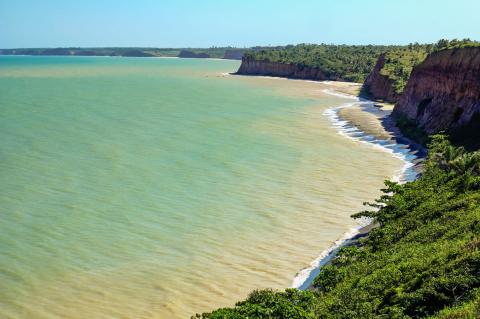
The Discovery Coast Atlantic Forest Reserves in northeastern Brazil exhibit a stunning variety of ecosystems, showcasing the Atlantic Forest biome's evolutionary history and ecological processes. The landscape is characterized by coastal tablelands, sandy beaches, sea cliffs, lagoons, and coral reefs, creating a habitat for a diverse range of flora and fauna. The region boasts an exceptional botanical diversity and is particularly rich in tree species.

Salvador de Bahia: From Colonial Capital to Cultural Beacon

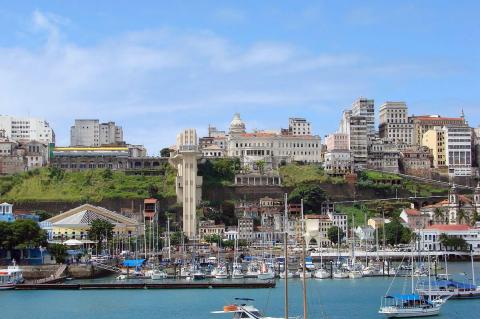
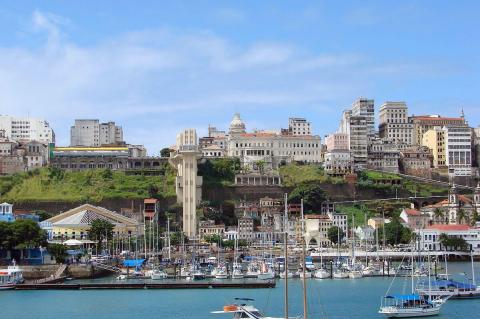
Salvador de Bahia, officially known as São Salvador da Bahia de Todos os Santos, is the capital of the Brazilian state of Bahia. Renowned for its rich cultural heritage, vibrant music, dance, and distinctive cuisine, Salvador is a testament to Brazil's dynamic history. Founded in 1549 as the first capital of Brazil, the city's significance is beautifully encapsulated in its Historic Center, known as Pelourinho, a UNESCO World Heritage site.

São Cristóvão: A Colonial Masterpiece in Brazil's Northeast

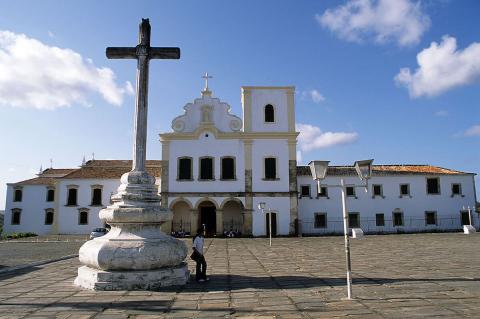
São Cristóvão, located in the northeastern state of Sergipe, Brazil, is one of the oldest colonial settlements in the country and holds a special place in Brazil's colonial history. The town is best known for São Francisco Square, which reflects a unique blend of Spanish and Portuguese colonial city planning and architecture. São Cristóvão's historical significance is further enriched by its collection of early colonial buildings, including churches, convents, and civil structures, which demonstrate the cultural and architectural evolution of the region.

São Luís: An Enchanting Portal to Brazil's Colonial Grandeur

Nestled along the captivating Atlantic coast of northeastern Brazil, the city of São Luís stands as an enchanting portal that transports visitors back in time, unveiling the nation's rich colonial heritage and cultural tapestry. Its historic center boasts a remarkable blend of architectural treasures, vibrant traditions, and a storied past, offering an unparalleled glimpse into the very essence of Brazil's historical grandeur.