World Heritage Sites in Mexico

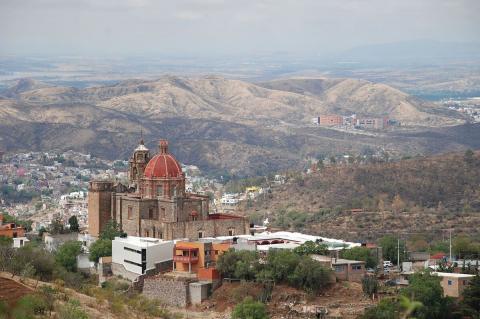
Guanajuato: A Silver City in the Heart of Mexico

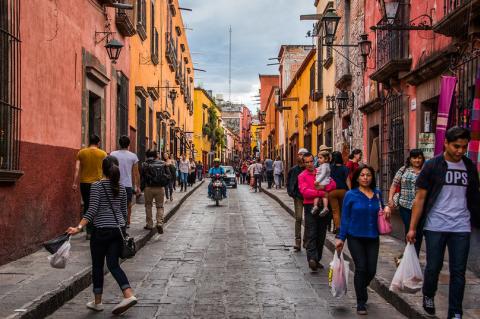
The Historic Town of Guanajuato, nestled in the mountains of central Mexico, is a UNESCO World Heritage Site that offers a remarkable blend of natural beauty, industrial history, and Baroque architecture. Its rich cultural and architectural heritage stems from the region's prominence as a center of silver extraction, which once placed it among the most important cities in the world. The town and its adjacent mines represent a significant chapter in Mexico's colonial history and showcase an extraordinary fusion of European and Mexican influences.

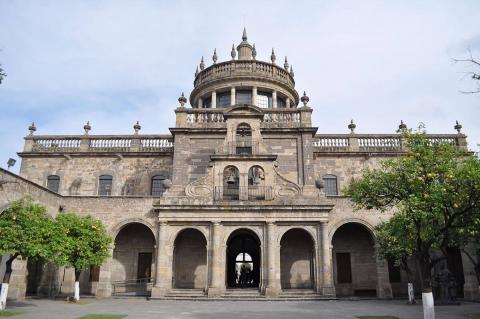
Hospicio Cabañas: A Testament to Compassion and Architectural Brilliance

Nestled in the heart of Guadalajara, Mexico, the Hospicio Cabañas is a testament to the country's rich history and architectural prowess. This monumental complex was established in 1791 to care for society's most vulnerable members, including orphans, the elderly, and the disabled. As one of the oldest and largest hospital complexes in the Americas, Hospicio Cabañas reflects the humanitarian vision of its founder, Bishop Juan Ruiz de Cabañas, and showcases its designer's remarkable Neoclassical architectural style.

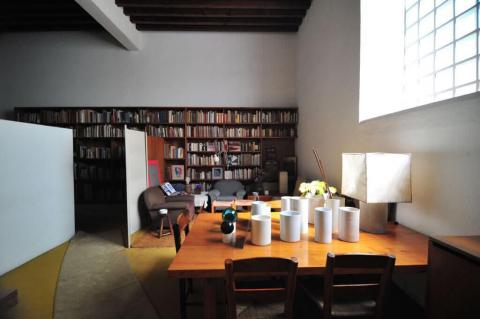
Luis Barragán: Redefining Modern Architecture

The Luis Barragán House and Studio, located in the Tacubaya neighborhood of Mexico City, is a landmark of 20th-century architecture. Designed and constructed by Luis Barragán between 1947 and 1948, the property is a testament to his visionary approach to architecture, blending modernist principles with traditional Mexican elements. Recognized as a UNESCO World Heritage Site, the house and studio reflect Barragán's philosophy of integrating space, light, and color to create environments that evoke a profound sense of peace and harmony.

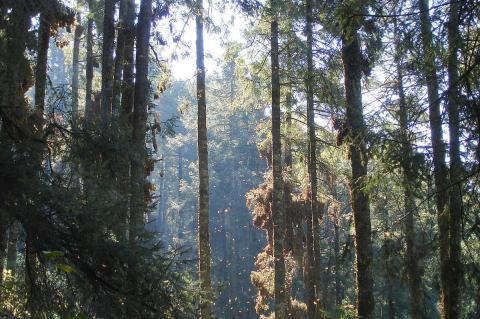
Monarch Butterfly Biosphere Reserve: A Sanctuary for Nature's Winged Wonders

Deep within the rugged forested mountains of central Mexico, a breathtaking natural spectacle unfolds each year – the mass migration of millions of monarch butterflies seeking refuge in their overwintering grounds. The Monarch Butterfly Biosphere Reserve, a UNESCO World Heritage site, serves as a sanctuary for these remarkable creatures, protecting their delicate habitats and ensuring the continuation of one of nature's most awe-inspiring phenomena.

Monasteries on the Slopes of Popocatepetl: Evangelization and Architectural Marvels of 16th-Century Mexico

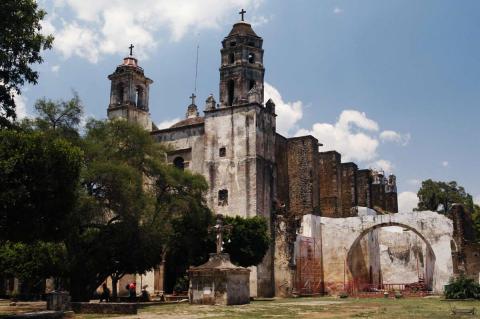
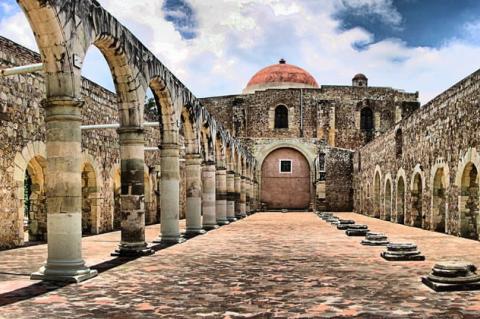
The Monasteries on the Slopes of Popocatepetl, situated in the shadow of one of Mexico's most iconic volcanoes, are a remarkable ensemble of 14 religious complexes that date back to the early 16th century. Spanning the states of Morelos and Puebla, these monasteries, built by Augustinians, Franciscans, and Dominicans, stand as enduring symbols of the religious and cultural transformation that unfolded in the region during the early years of Spanish colonization.

Morelia: A Colonial Gem in the Heart of Mexico

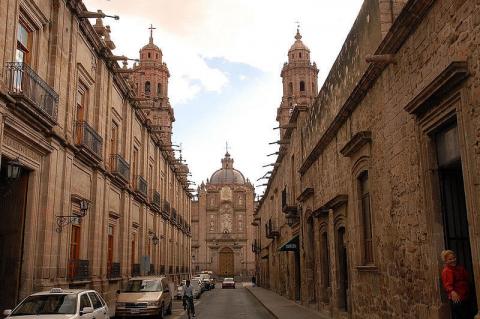
The Historic Center of Morelia, located in the north-central region of Michoacán, Mexico, is a remarkable example of colonial urban development. Situated at the foot of the Sierra Madre Occidental, the city was founded under the name Valladolid. It was crucial in Mexico's struggle for independence in the early 19th century. The city's urban layout and architectural heritage blend Spanish town planning with local Mesoamerican experience, creating a harmonious fusion that has endured over centuries.

Oaxaca and Monte Albán: A Journey Through Mesoamerican and Colonial History

In the heart of Mexico’s Oaxaca Valley, the Historic Center of Oaxaca and the Archaeological Site of Monte Albán form a UNESCO World Heritage site showcasing over 1,500 years of history, culture, and architectural brilliance. Monte Albán features grand ceremonial centers, terraces, and pyramids, while the nearby city of Oaxaca de Juárez blends Indigenous and colonial heritage in its streets and architecture, reflecting the rich history of the region.

Origins of Civilization: The Prehistoric Caves of Yagul and Mitla

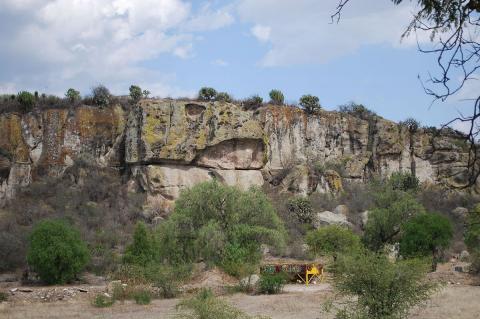
Nestled on the northern slopes of the Tlacolula Valley in Oaxaca, Mexico, the Prehistoric Caves of Yagul and Mitla form an extensive cultural landscape that bridges the ancient past with the rise of Mesoamerican civilizations. This UNESCO World Heritage Site encompasses two pre-Hispanic archaeological complexes alongside a series of prehistoric caves and rock shelters, offering a glimpse into the region's early human adaptation, agriculture, and societal development.

Palenque: The Maya Legacy in Stone and Nature

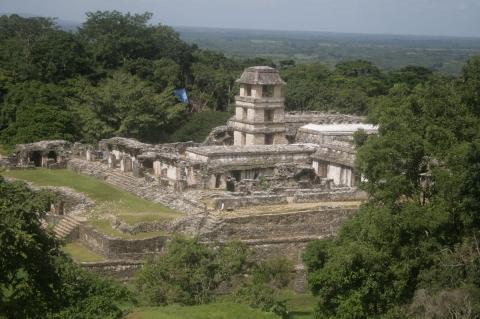
Located amidst the verdant jungles of southern Mexico, the Pre-Hispanic City and National Park of Palenque is a significant archaeological site and a national treasure. Once a thriving Maya city, Palenque, known in ancient times as Lakamha, meaning "Big Water," flourished during the 7th century before gradually being overtaken by the surrounding forest. Today, it is recognized as a UNESCO World Heritage Site, celebrated for its historical importance and natural beauty.

Protecting Paradise: The Islands and Protected Areas of the Gulf of California

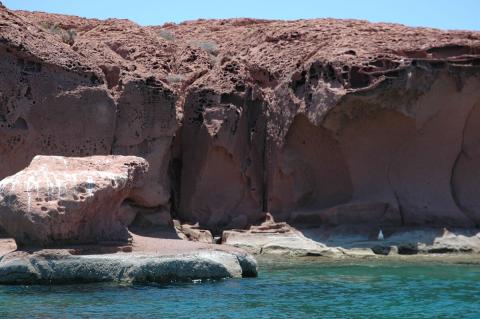
The Islands and Protected Areas of the Gulf of California, inscribed as a UNESCO World Heritage Site, includes 244 islands, islets, and coastal areas in northeastern Mexico. Known as "the world's aquarium," this natural paradise faces major threats leading to its listing as a World Heritage site in danger, especially due to the critically endangered vaquita. The site highlights extraordinary biodiversity and the urgent need for global conservation efforts, symbolizing natural wonder and the challenges of preserving marine ecosystems today.