World Heritage Sites in Mexico

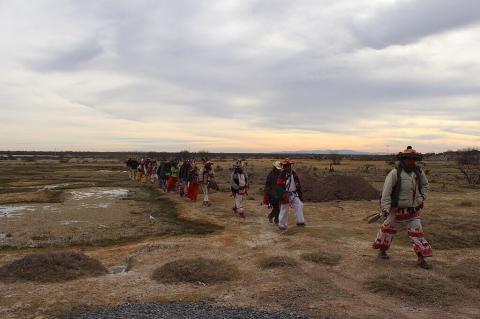
The Wixárika Route through Sacred Sites to Wirikuta (Tatehuarí Huajuyé): Mexico's Sacred Pilgrimage Path

In north-central Mexico, an ancient network of sacred pathways connects mountains, deserts, and valleys, linking the spiritual heart of the Wixárika culture to their sacred site. The Wixárika Route through Sacred Sites to Wirikuta, called Tatehuarí Huajuyé in Wixárika, is a major pre-Columbian pilgrimage route still used today. Recently recognized by UNESCO, it spans five Mexican states with 20 sacred sites that form the cultural core of Wixárika civilization. More than a trail, it embodies a living cosmology where landscape, spirituality, agriculture, and community converge, maintaining a tradition over a millennium.

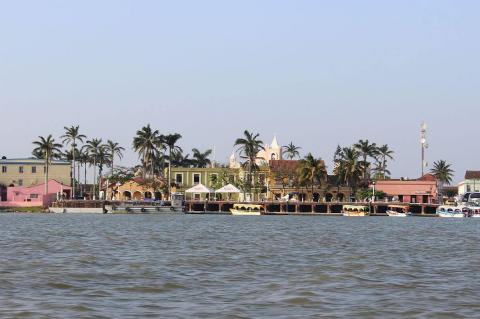
Tlacotalpan: A Spanish Colonial River Port on the Papaloapan

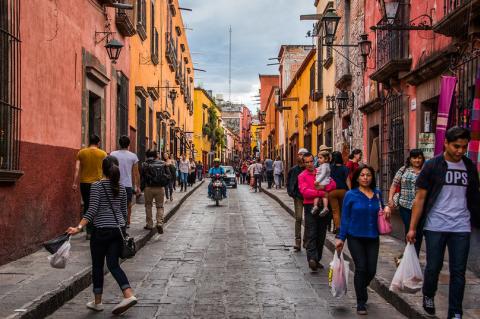
Tlacotalpan, a historic Spanish colonial river port on Mexico's Gulf Coast, is a remarkable example of 16th-century urban planning and architecture. Designated as a UNESCO World Heritage Site, the town is notable for its unique river port setting, colorful colonnaded houses, wide streets, and lush public spaces. Tlacotalpan's preservation offers a glimpse into the historical townscape of Mexico's colonial past, showcasing a blend of Caribbean and Spanish architectural traditions.

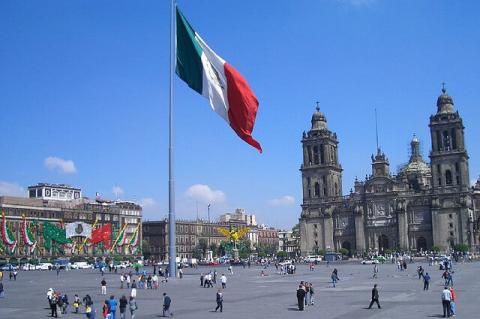
Unraveling the Layers of History: The Centro Histórico of Mexico City

Centro Histórico, the historic center of Mexico City, emerges as the pulsating heart of the Mexican capital, where the rich combination of history, culture, and architecture unfolds in a captivating panorama. Stretching outward from the iconic Zócalo, this historic district encapsulates landmarks like the National Palace, Metropolitan Cathedral, Palace of Fine Arts, Old Portal de Mercaderes, and the verdant expanse of Alameda Central Park.

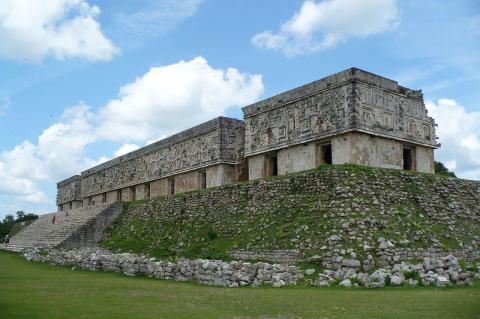
Uxmal: The Pinnacle of Maya Architecture

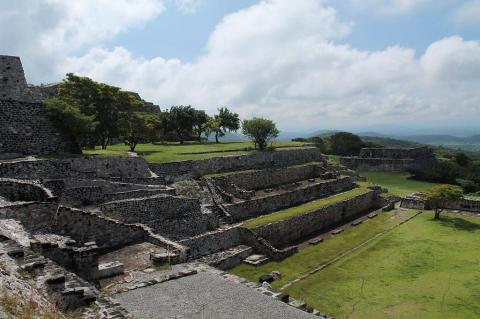
Uxmal, located in the heart of the Yucatán Peninsula, is one of the most significant archaeological sites of the ancient Maya civilization. Renowned for its distinctive architectural style, the Pre-Hispanic Town of Uxmal, a UNESCO World Heritage Site, represents the height of Maya cultural achievement during the Late Classic Period. With its intricate designs, advanced hydraulic systems, and unique astronomical orientation, Uxmal offers valuable insights into the social, political, and religious life of the Maya people.

Xochimilco: A Living Testament to Mexico's Rich Heritage

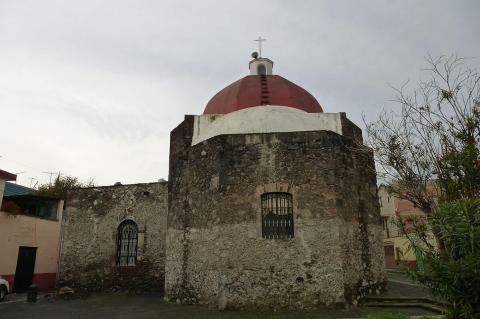
Nestled south of Mexico City, Xochimilco emerges as a living testament to the Aztec legacy and the resilient spirit of Mexican culture. The name Xochimilco, derived from the Nahuatl words xochitl and milli, translates to "where the flowers grow." This cultural haven, situated on Lake Xochimilco in the Valley of Mexico, boasts a rich history. Its characteristic urban and rural structures date back to the 16th century, intertwining with the colonial period in a harmonious tapestry.

Zacatecas: A Silver City Shaped by History and Culture

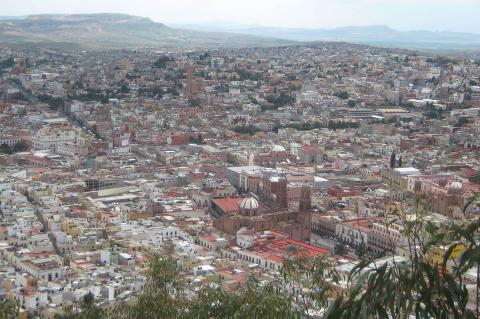
Zacatecas, a colonial city in central Mexico, is a captivating blend of rich history, stunning architecture, and cultural vibrancy. Renowned for its role in the silver mining boom that defined much of Mexico's colonial economy, Zacatecas has managed to preserve its historic charm while evolving into a modern urban center. The Historic Center of Zacatecas, a UNESCO site, embodies the city's enduring legacy, showcasing well-preserved colonial architecture, winding cobblestone streets, and a wealth of cultural and historical landmarks.