
Cajón del Maipo: Santiago's Andean Playground and Gateway to San José Volcano
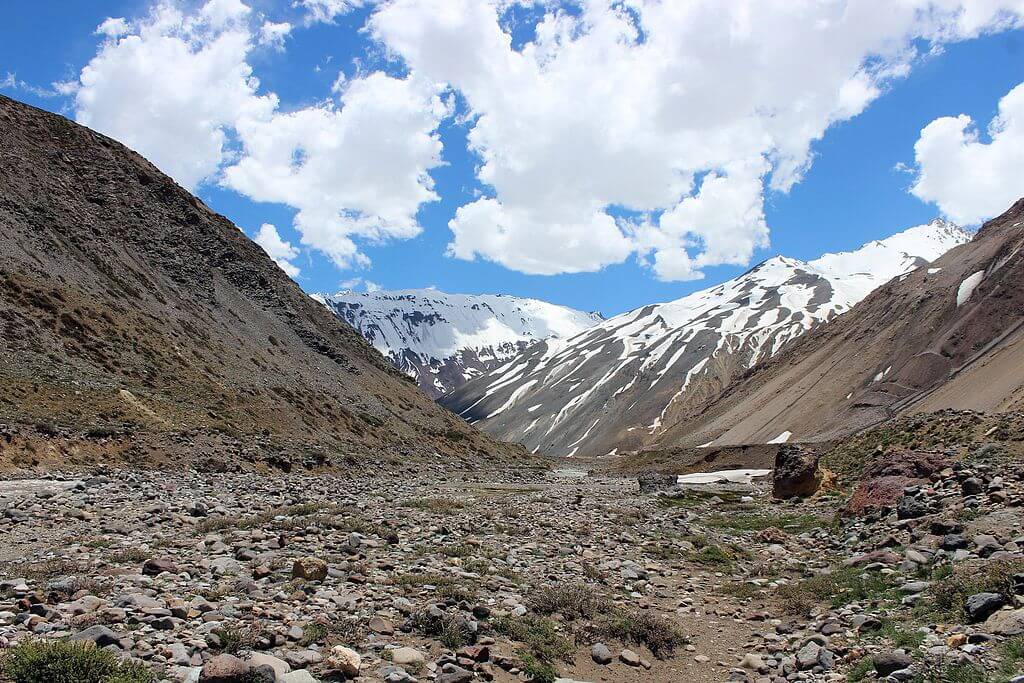
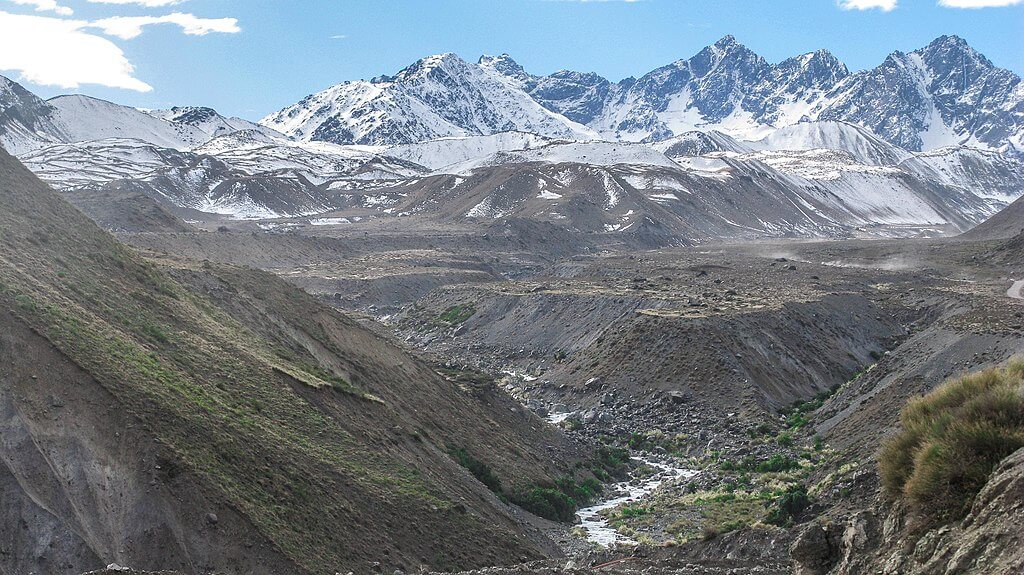
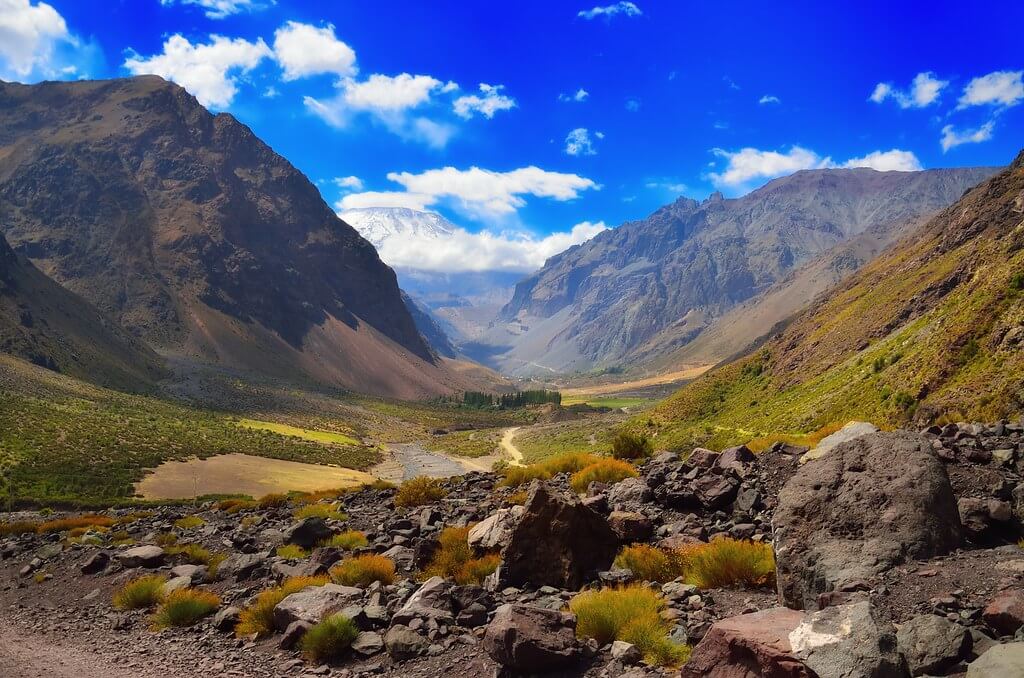
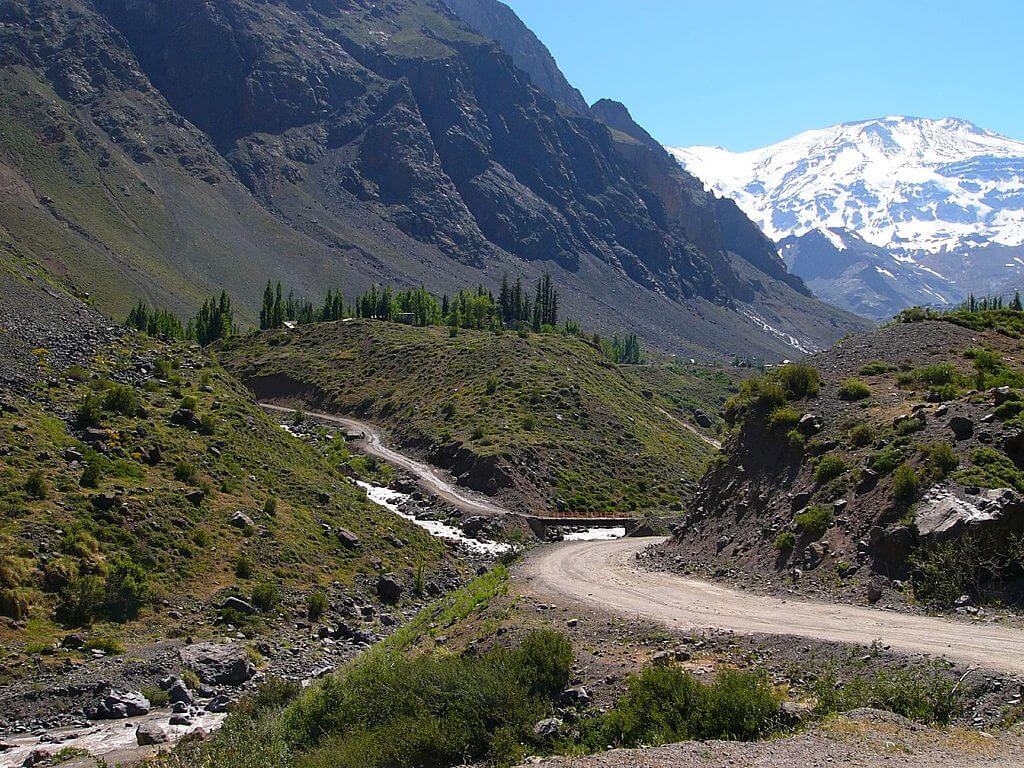
Just southeast of Santiago, the Cajón del Maipo is a striking Andean canyon carved by the upper Maipo River. Surrounded by towering peaks, including the San José Volcano, it covers the upper Maipo River basin, where the river has carved itself between steep canyon walls descending from the High Andes.
The Cajón del Maipo: Adventure, Glaciers, and Volcanic Peaks at Santiago's Doorstep
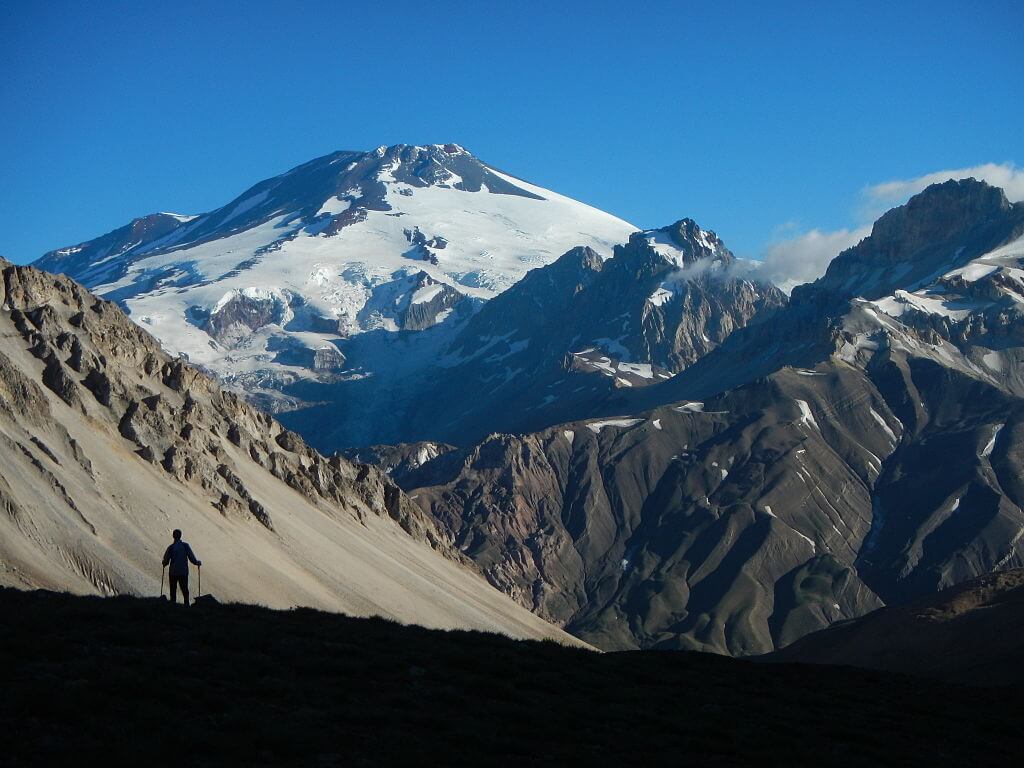
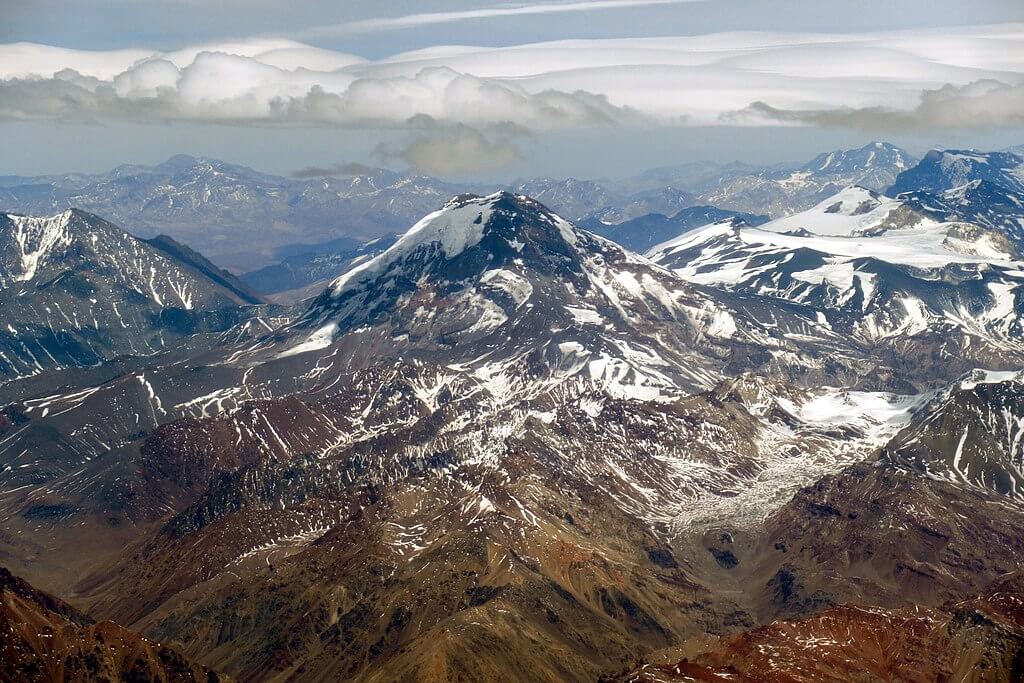
Just 45 kilometers (28 miles) southeast of Santiago, the Cajón del Maipo—a dramatic Andean canyon carved by the upper Maipo River—offers one of Chile's most accessible and spectacular mountain experiences. This narrow valley, surrounded by towering peaks, including the imposing San José Volcano at 5,856 meters (19,213 feet), encompasses the upper Maipo River basin, where the river has carved itself between steep canyon walls descending from the High Andes. The region extends from near Pirque to the Argentine border, where it is bordered by some of the area's highest peaks, including several active volcanoes—San José, most recently erupting in 1960. Less than an hour's drive from Chile's capital via Route G-25 (Camino al Volcán), this easily accessible wilderness provides Santiago's seven million residents with opportunities for whitewater rafting, trekking, mountaineering, hot springs soaking, wildlife observation, and encounters with dramatic landscapes where glaciers cling to volcanic peaks and turquoise reservoirs reflect snow-capped summits.
Geographic Setting and Access
The Cajón del Maipo occupies the southeastern Andean portion of the Santiago Metropolitan Region. The canyon begins near Puente Alto on Santiago's southern edge. It extends approximately 70 kilometers (43 miles) southeast into the High Andes, gradually climbing from an elevation near 800 meters (2,625 feet) to over 2,500 meters (8,200 feet) at its upper reaches.
Route G-25, known locally as Camino al Volcán (Road to the Volcano), provides the main access route through the canyon. The winding mountain road follows the Maipo River upstream, passing through small settlements including San José de Maipo—the capital of the commune—as well as Las Vertientes, San Gabriel, El Volcán, Baños Morales, and Lo Valdés.
The climate is Mediterranean, transitioning to high-altitude Andean. Summers (December to March) are warm and dry, with temperatures reaching 28-30°C (82-86°F) in the valley, though cooling significantly at higher elevations. Winters bring cold temperatures, snow accumulation in the mountains, and occasional road closures. Public buses depart from La Florida metro station every 30 minutes beginning at 7:30 AM.
El Yeso Reservoir: The Turquoise Jewel
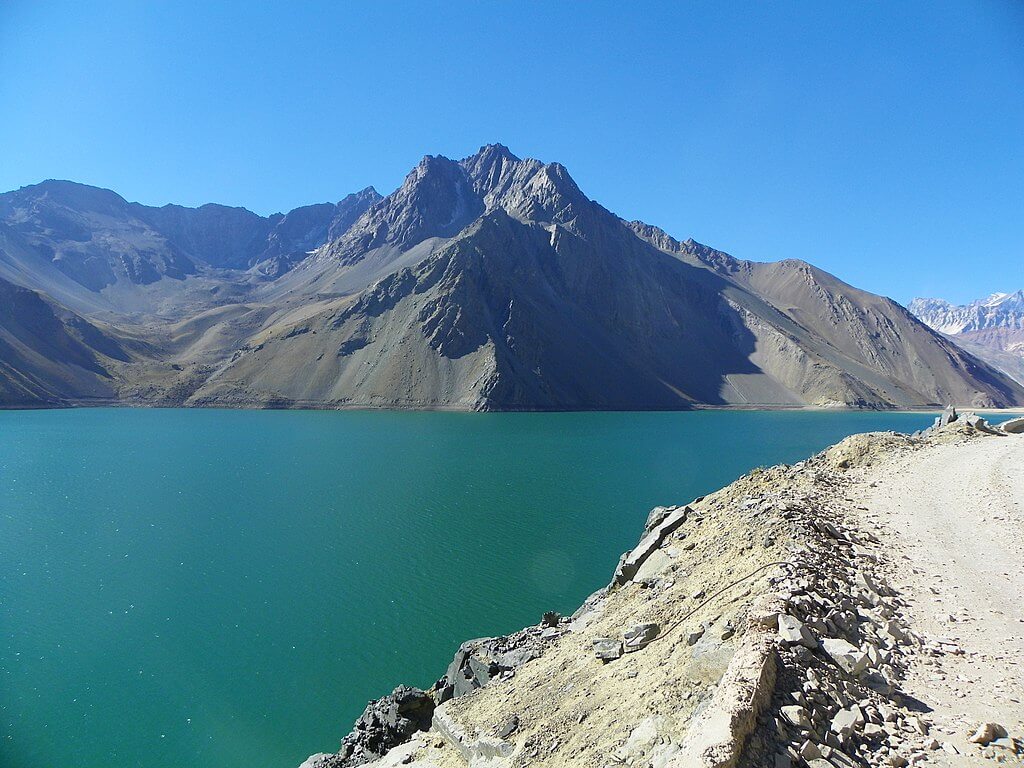
The Embalse El Yeso (El Yeso Reservoir), located at approximately 2,500 meters (8,200 feet) above sea level and about 90 kilometers (56 miles) southeast of Santiago, stands as Cajón del Maipo's most iconic attraction. This artificial reservoir, created to store water for Santiago's municipal supply, displays remarkable turquoise waters created by glacial sediments suspended in cold mountain meltwater.
Surrounded by dramatic snow-capped peaks, the reservoir creates breathtaking vistas where crystalline waters reflect the Andean summits. The reservoir has become one of Chile's most photographed natural landscapes, with its vivid blue-green waters widely shared on social media and travel publications.
The new El Yeso Dam Park began a soft opening in 2025, with tourism currently limited to Fridays, Saturdays, and Sundays, subject to prior reservation via Punto Ticket. Currently, only the dam curtain trail is open to visitors, and access depends on weather conditions. The reservoir offers opportunities for landscape photography, hiking along permitted trails, and experiencing high-altitude Andean scenery in a relatively accessible setting.
Hot Springs and Natural Monuments
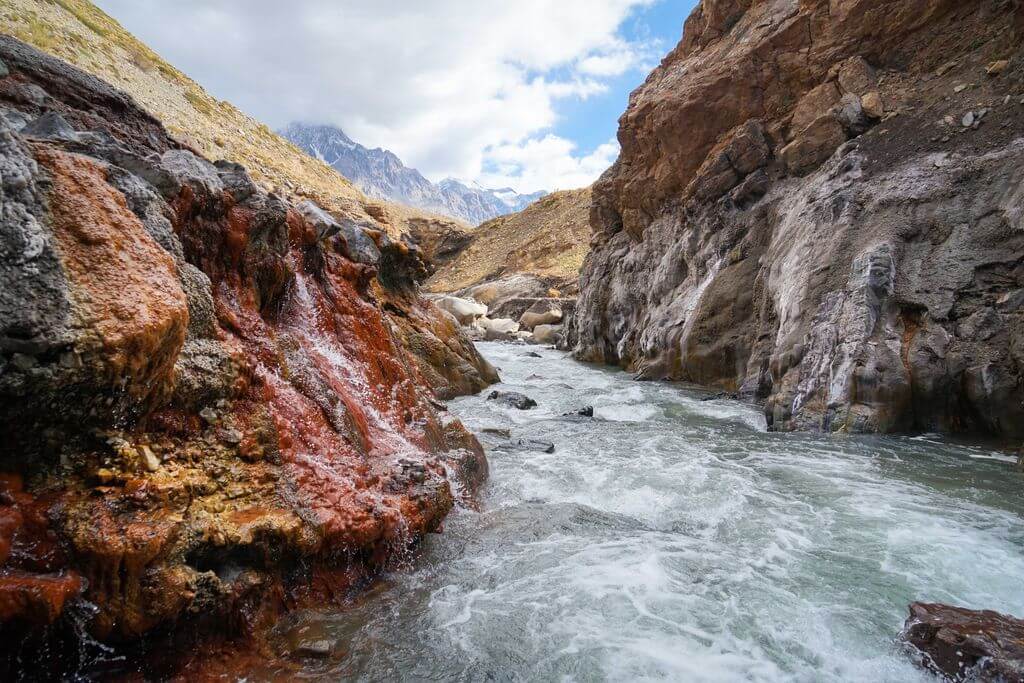
Termas Valle de Colina (Colina Valley Hot Springs), located at kilometer 89 of Route G-25, provides the region's most popular thermal bathing experience. These natural hot springs cascade down the mountainside in a series of terraced pools of varying temperatures, allowing visitors to soak while surrounded by dramatic Andean peaks. The mineral-rich waters, heated by geothermal activity, offer therapeutic benefits and welcome relief after long hikes. Access requires driving the full length of the canyon, approximately 2.5 hours from Santiago.
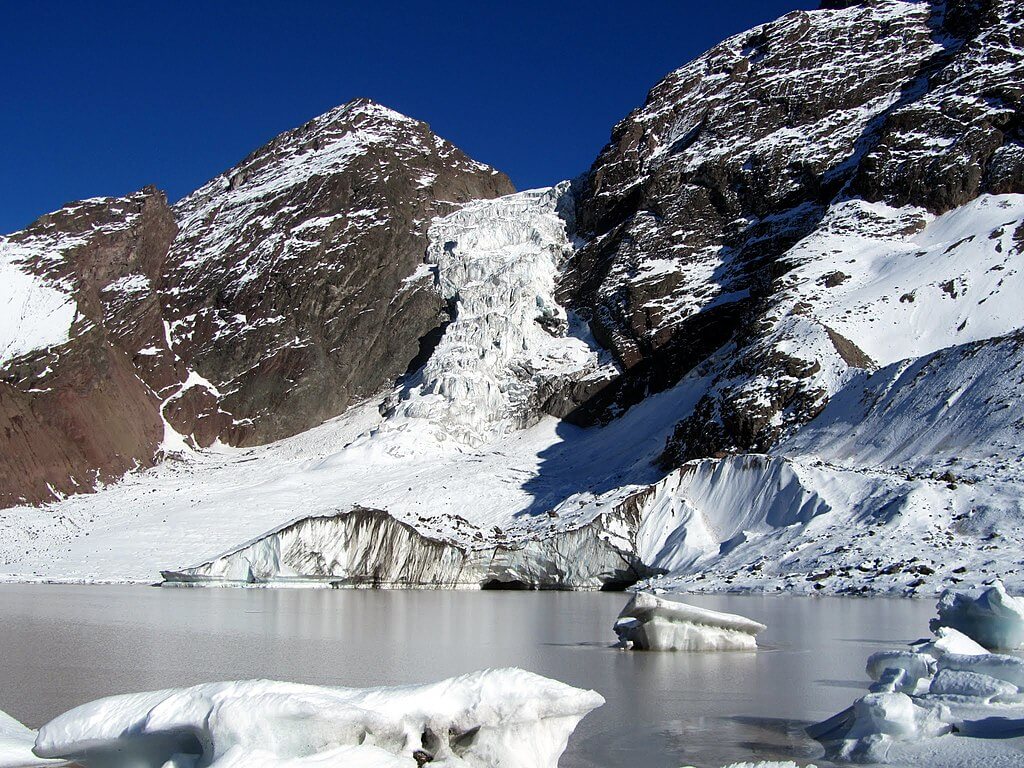
Monumento Natural El Morado, a protected natural area, offers exceptional trekking through diverse Andean ecosystems. The hike to San Francisco Glacier represents one of the park's most popular routes, passing through changing ecological zones as elevation increases. The trail provides opportunities to observe wildlife, including guanacos (Lama guanicoe), Andean condors (Vultur gryphus), and, with luck, the elusive Andean cat (Leopardus jacobita) or pumas (Puma concolor).
Adventure Activities
The Cajón del Maipo has earned recognition as one of Chile's premier outdoor adventure destinations.
Whitewater Rafting: The Maipo River's Class III and IV rapids attract thousands of rafters annually. Multiple outfitters operate from Cascada de las Animas Nature Sanctuary and other locations, guiding both novice and experienced rafters through exciting sections during the spring and summer high-water season.
Trekking and Hiking: Countless trails traverse the canyon, from gentle family walks to challenging multi-day treks. Popular routes include the trek to El Yeso Reservoir, hikes within El Morado Natural Monument, and trails to various viewpoints.
Mountain Biking: Trails throughout the canyon offer diverse terrain for cyclists. Routes range from gentle valley-floor paths to steep, technical descents requiring advanced skills.
Horseback Riding and Climbing: Several operators offer guided horseback rides through valleys and lower mountain slopes. The canyon also serves as the access point for numerous climbing objectives, including sport climbing, traditional multi-pitch routes, and expeditions to high peaks, including San José Volcano.
San José Volcano: A Classic High-Altitude Challenge
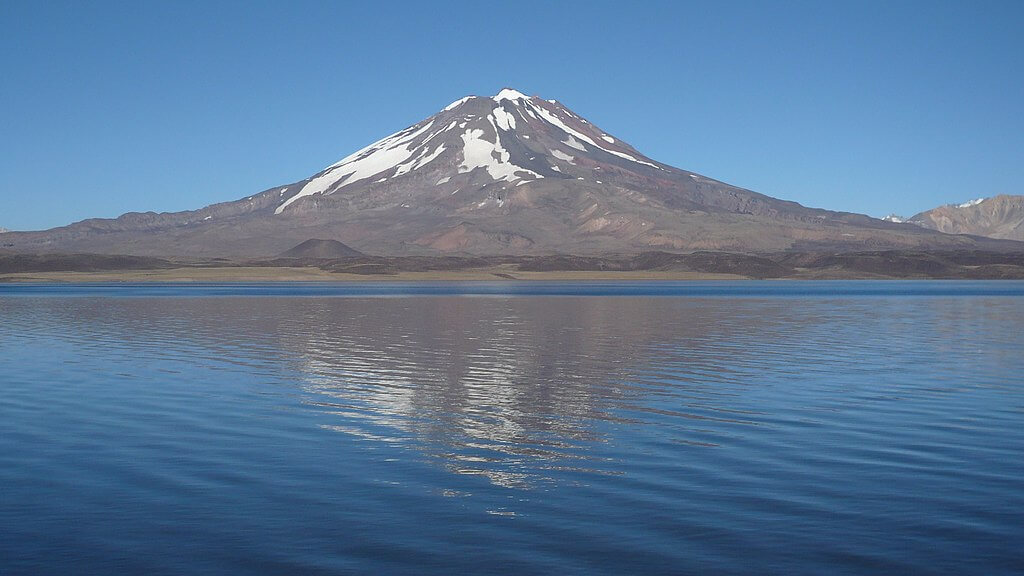
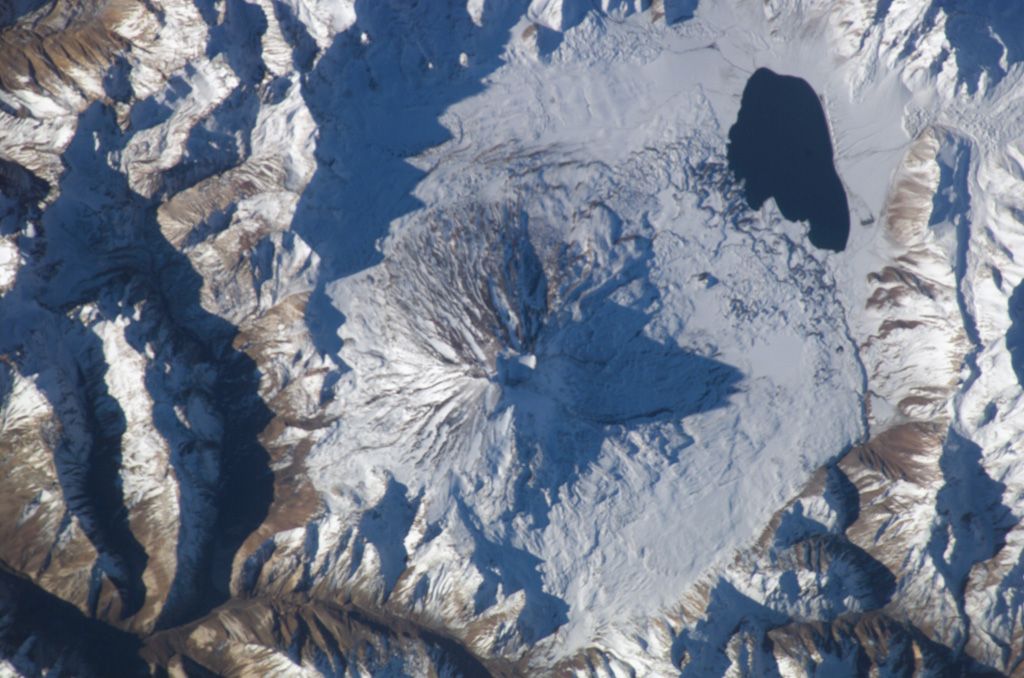
San José Volcano, rising to 5,856 meters (19,213 feet) on the Chile-Argentina border, represents one of the Central Andes' "classical summits" that has attracted mountaineers since 1831. The volcano gives its name to a massive volcanic complex approximately 10 kilometers (6.2 miles) by 5 kilometers (3.1 miles) in size, which includes several peaks.
The volcano contains an active crater with a small dome exhibiting near-permanent fumarolic activity—steam vents that release volcanic gases and indicate ongoing geothermal processes. The volcano's glaciers cover about 100 square kilometers (39 square miles) and range from a few meters to 40 meters (130 feet) thick.
The Climbing Experience: The standard ascent typically requires four days. Expeditions begin in Santiago, with a departure to San José de Maipo, then continue through Valle de la Encantada to El Cabrerio, where mules transport equipment. The first day involves hiking to Refugio Plantat at approximately 3,130 meters (10,270 feet)—a stone shelter built in 1937.
From Plantat, climbers ascend through dramatically changing terrain, including Las Lajas (The Slabs)—enormous rock piles that create challenging scrambling with heavy backpacks. Higher camps are established at approximately 4,200 meters (13,780 feet) and 5,000 meters (16,400 feet) before the summit push. The ascent presents substantial physical challenges, including altitude-related effects and sustained rock scrambling over multiple days.
The summit offers remarkable views across the Central Andes from Chile to Argentina, and the active crater provides a unique experience. The volcano last erupted in 1960 and remains active. Despite relatively stable behavior, the volcano poses a potential risk to the inhabitants of the Maipo Valley and to Santiago's population. The extensive glacier coverage creates additional concern—a significant eruption could rapidly melt ice, generating lahars (volcanic mudflows) that would race down valleys toward populated areas.
Cascada de las Ánimas and Wildlife Conservation
Cascada de las Ánimas Nature Sanctuary has become one of the canyon's central tourist attractions. Located near San Alfonso, the complex offers diverse experiences, including the namesake waterfall, which requires a 20-25 minute walk. The sanctuary offers opportunities for birdwatching and occasional puma sightings. The facility serves as a base for rafting operations and offers accommodations from camping to cabins.
The Refugio Animal Cascada (Cascada Wildlife Shelter), a rehabilitation center for native fauna, educates visitors about Chilean biodiversity and conservation challenges. The center receives injured, orphaned, or confiscated wildlife, providing veterinary care and rehabilitation with the goal of eventual release when possible. The facility plays an important educational role, connecting urban visitors with conservation needs.
Gastronomy and Local Culture
The culinary experience in Cajón del Maipo features traditional Chilean mountain fare. Restaurants and food stalls throughout the canyon offer hearty meals, including grilled meats (asados), empanadas, pastel de choclo (corn pie), cazuela (traditional stew), and, in some establishments, exotic offerings like smoked wild boar and rabbit.
San Alfonso has become a dining destination, with varied gastronomic offerings attracting day-trippers from Santiago. Craft markets offer handmade souvenirs, including textiles, ceramics, woodwork, and other artisan products, showcasing local and Chilean craftsmanship.
Practical Visitor Information
Access: From Santiago, take Route G-25 through Puente Alto. The journey to San José de Maipo takes approximately 1 hour under normal conditions, though city traffic can extend the trip.
When to Visit: Summer (December to March) provides the best weather, warmest temperatures, highest river flows for rafting, and most reliable road access. Spring (October-November) and autumn (April-May) offer cooler temperatures and fewer crowds. Winter (June-September) brings snow, cold, and potential road closures.
What to Bring: Mountain weather is unpredictable. Layer clothing appropriate for temperature variations, bring sun protection (hat, sunglasses, high-SPF sunscreen), carry water and food, and wear suitable footwear. Always check weather forecasts before traveling, especially in winter.
The Path Forward
The Cajón del Maipo faces the challenge of balancing increasing tourism demand with conservation of its natural environment. As Santiago continues growing and more residents seek mountain recreation, visitation pressures mount on a fragile alpine environment. Climate change threatens the glaciers that feed the Maipo River and create the canyon's dramatic landscapes—a crisis documented in detail in our Maipo River article—and glacier retreat could alter the hydrological regimes that sustain both wilderness and Santiago's water supply.
Sustainable tourism practices, protection of key natural areas including El Morado Natural Monument, and education about Leave No Trace principles will be essential for maintaining the canyon's extraordinary natural values while allowing continued public access. For Santiago's residents, this accessible mountain wilderness represents not merely a recreational amenity but a vital connection to nature, a source of the water sustaining daily life, and a reminder that even in proximity to one of South America's largest cities, wild places endure where condors soar, and glaciers cling to volcanic peaks rising toward Andean skies.