Protected Area

The Bioma Pampa-Quebradas del Norte Biosphere Reserve: A Sanctuary of Biodiversity and Cultural Heritage

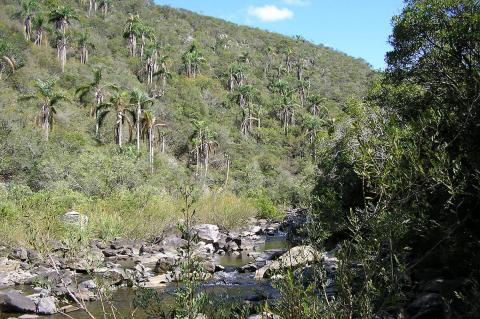
Nestled in the northern region of Uruguay, the Bioma Pampa-Quebradas del Norte Biosphere Reserve is a unique sanctuary characterized by its rolling topography and subtropical grasslands. It serves as a vital refuge for an array of flora and fauna while preserving the cultural heritage of its inhabitants. The reserve's significance is amplified by its role in sustaining one of the planet's largest freshwater reserves, the Guaraní Aquifer.

The Bosques de Paz: A Transboundary Oasis of Biodiversity

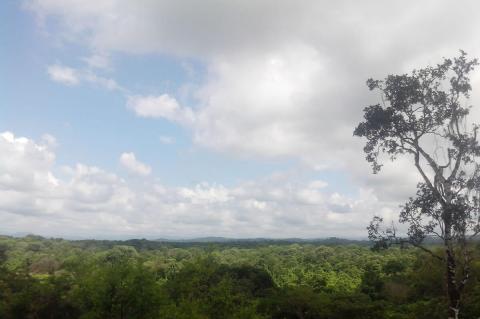
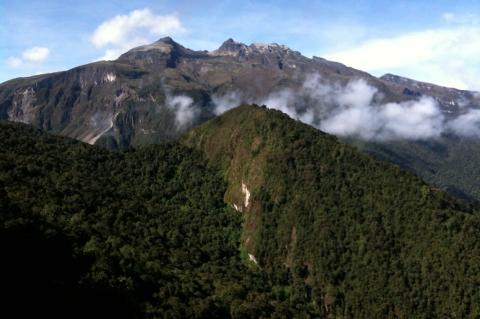
The Bosques de Paz Transboundary Biosphere Reserve straddles the border of Ecuador and Peru. It is a natural treasure and showcases the collaborative efforts of these two nations to protect a globally significant ecosystem. The reserve spans four regions in the two countries. It was designated a UNESCO Biosphere Reserve in 2018, following the countries' commitment to strengthening their ties and cooperation after a long-standing border dispute that ended in 1998.

The Cerrado Biosphere Reserve: A Jewel of Brazilian Biodiversity

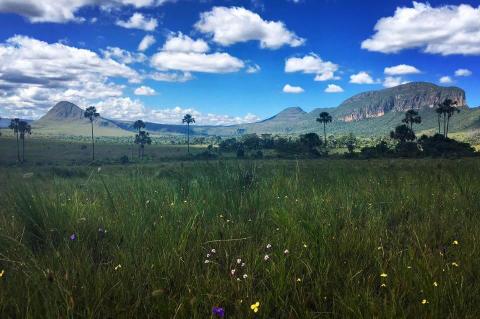
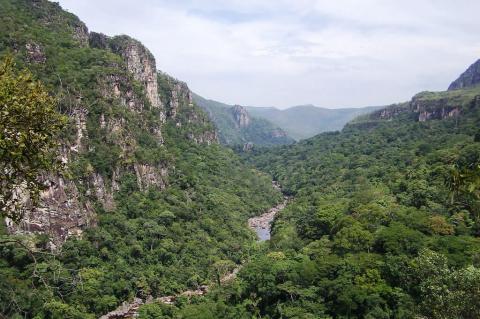
The Cerrado Biosphere Reserve, spanning across the Brazilian states of Goiás, Tocantins, Maranhão, Piauí, Bahia, Minas Gerais, São Paulo, Mato Grosso, Mato Grosso do Sul, and the Federal District, encompasses the vast and diverse Cerrado biome, what scientists consider the world's most biodiverse savanna and one of Earth's oldest tropical ecosystems. This UNESCO-designated reserve covers nearly a quarter of Brazil's land area—making it one of the world's largest biosphere reserves and highlighting the country's extraordinary natural heritage and ecological significance.

The Cerrado Protected Areas: Preserving the Biodiversity Jewel of Brazil

Nestled within Brazil's Central-West region lies an ecological treasure of global significance: the Cerrado Protected Areas, a UNESCO Site encompassing Chapada dos Veadeiros and Emas National Parks. These complementary protected areas safeguard the world's oldest and most biodiverse tropical savanna, representing humanity's most important stronghold for preserving the remarkable evolutionary heritage of the Cerrado biome. Located on Brazil's ancient central plateau, these parks preserve contrasting landscapes that together showcase the full spectrum of Cerrado biodiversity.

The Chocó Andino de Pichincha: Ecuador’s Biodiversity Frontier

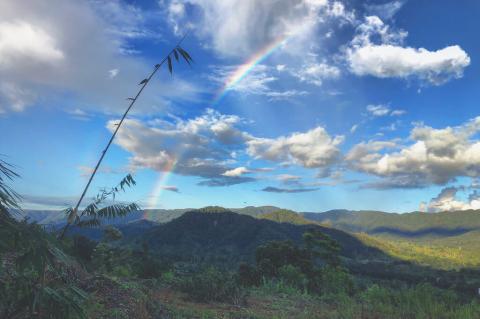
Nestled in Ecuador's northern region, just northwest of Quito, lies a pristine wilderness teeming with biodiversity and cultural heritage—the Chocó Andino de Pichincha Biosphere Reserve. Encompassing diverse ecosystems, the reserve is a sanctuary for an astounding array of unique plant and animal species, many of which are endemic or threatened. It also safeguards centuries of human history, preserving archaeological treasures that reveal the rich cultural legacy of the indigenous peoples who have long inhabited the region.

The Cinturón Andino: A Tapestry of Andean Wonders in Colombia

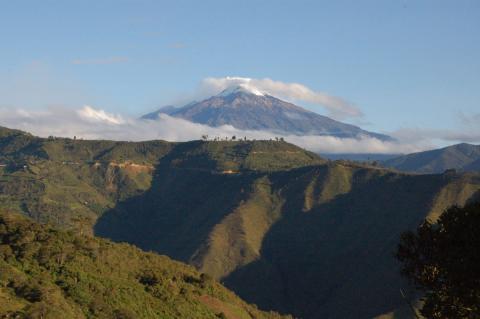
Nestled within the majestic folds of the Colombian Andes, the Cinturón Andino Biosphere Reserve stands as a crowning jewel, a testament to the extraordinary biodiversity and cultural richness that embodies this South American nation. This UNESCO-designated reserve is a harmonious tapestry woven from three distinct national parks: the ancient Cueva de los Guácharos, the volcanic splendor of Puracé, and the towering snow-capped peaks of Nevado del Huila.

The Cordillera del Cóndor: An Ecological and Cultural Gem at the Heart of the Andes

The Cordillera del Cóndor, located on the border between Ecuador and Peru, is a testament to the remarkable diversity of life on our planet. This mountain range, with its rugged peaks and verdant valleys, has captured the attention of scientists and conservationists. It is the ancestral home of the Shuar people and is surrounded by protected areas, offering a journey into one of the world's most biodiverse regions.

The Delta del Orinoco: A Biological Treasure Trove

Nestled in the northeastern corner of Venezuela, the Delta del Orinoco Biosphere Reserve and its associated national parks form a vast and diverse ecosystem of immense ecological and cultural significance. Designated as a biosphere reserve by UNESCO in 2009, this region represents a unique confluence of terrestrial, aquatic, and marine environments, harboring an extraordinary array of flora and fauna.

The Ecological Wonders of Guanacaste National Park

Guanacaste National Park, located in northern Costa Rica, is a sanctuary for incredible wildlife and diverse ecosystems. The park forms a vital biological corridor linking the dry forests of Santa Rosa National Park with the lush rainforests of the Orosí and Cacao volcanoes. This connectivity supports seasonal migrations of various species and preserves the rich biodiversity that Costa Rica is renowned for.

The Enchanting Wilderness of La Michilía Biosphere Reserve

Nestled within the magnificent Sierra Madre Occidental in Mexico lies the captivating La Michilía Biosphere Reserve. This natural haven is a testament to the region's remarkable biodiversity and the enduring efforts to protect its ecological treasures. From towering pine and oak forests to serene meadows and ephemeral streams, the La Michilía Biosphere Reserve is a true oasis of tranquility in the heart of the Mexican countryside.