Protected Area

The Guanacaste Conservation Area: Costa Rica's Ecological Masterpiece

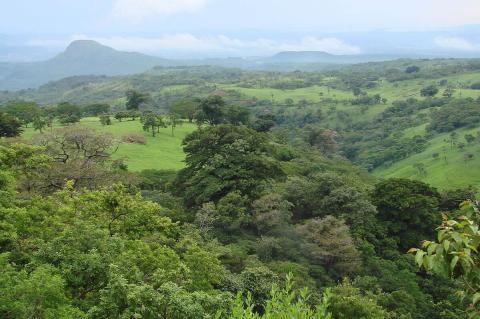
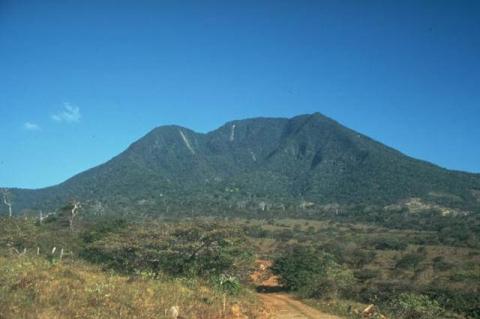
Located in the northwestern province of Guanacaste, Costa Rica, the Guanacaste Conservation Area (Área de Conservación Guanacaste—ACG) is a shining example of the country's unwavering commitment to environmental preservation. This protected area network is a true ecological masterpiece, comprising a mosaic of diverse ecosystems spanning the Pacific Ocean to the lowlands of the Caribbean basin.

The Guano Reserve System: Balancing Nature and History Along Peru's Coast

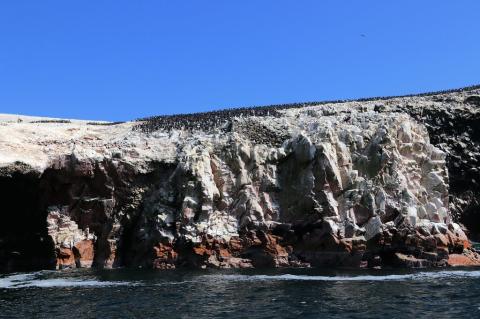
The Guano Islands, Islets, and Capes National Reserve System is one of Peru's most critical protected areas, safeguarding a network of coastal habitats rich in biodiversity and natural resources. The reserve spans the length of the Peruvian coastline, comprising islands, islets, and a collection of coastal promontories. With a primary focus on conserving marine ecosystems and the historic guano-producing islands, the reserve system is a vital refuge for numerous species of birds, marine mammals, and marine life, many of which rely on the nutrient-rich waters of the Humboldt Current.

The Hidden Wonders of Corcovado National Park

Corcovado National Park, located in the Los Lagos Region of southern Chile, stands as a testament to the country's dedication to preserving its natural heritage. It is Chile's fourth-largest national park and one of the world's most remote and untouched landscapes. The park owes much of its existence to the generous land donation by Tompkins Conservation. The park's isolation, challenging terrain, and lack of public access make it a pristine sanctuary for diverse flora and fauna.

The Humboldt Penguin National Reserve: A Marine Wildlife Sanctuary in Northern Chile

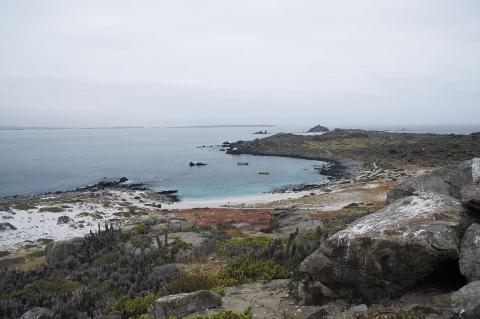
Nestled along Chile's northern Pacific coast, the Humboldt Penguin National Reserve is one of South America's most remarkable marine wildlife sanctuaries. Located north of Santiago and northeast of La Serena, this protected area includes three pristine islands that rise from the nutrient-rich waters of the Humboldt Current: Isla Damas, Isla Choros, and Isla Chañaral de Aceituno. These islands are vital habitats for many marine species, especially the vulnerable Humboldt penguin.

The La Selle / Jaragua-Bahoruco-Enriquillo Biosphere Reserve: A Transboundary Ecological Marvel:

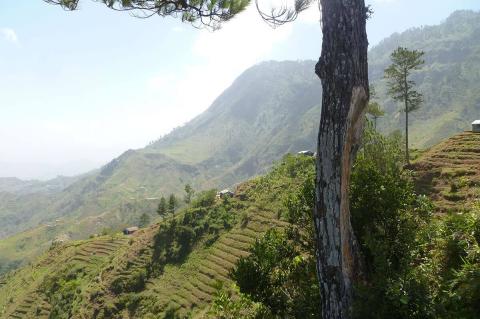
Spanning the borders of Haiti and the Dominican Republic, the La Selle / Jaragua-Bahoruco-Enriquillo Biosphere Reserve stands as a testament to the region's rich biodiversity and ecological significance. This transboundary reserve encompasses two distinct yet interconnected protected areas: La Selle in Haiti and Jaragua-Bahoruco-Enriquillo in the Dominican Republic, forming an environmental corridor that transcends political boundaries.

The Living Landscape of Oxapampa-Ashaninka-Yanesha

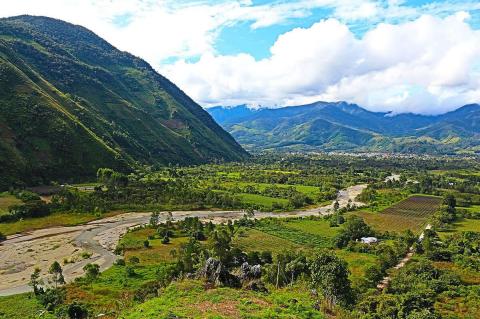
The Oxapampa-Ashaninka-Yanesha Biosphere Reserve, located in central Peru, encompasses one of the most pristine ecosystems on the eastern slopes of the Peruvian Andes, extending into the Amazon Basin. Recognized for its unique biodiversity and cultural heritage, the reserve was designated a Biosphere Reserve in 2010. This region, characterized by its high altitudinal range and diverse habitats, is crucial for conservation and sustainable development efforts.

The Los Volcanes Biosphere Reserve: Protecting Mexico's Volcanic Heart

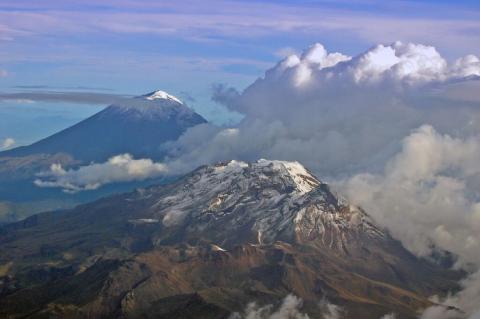
Rising from the central Mexican highlands, two legendary volcanic peaks dominate the landscape with their physical presence and cultural significance. Popocatépetl, the "Smoking Mountain," and Iztaccíhuatl, the "Sleeping Woman," stand as guardians of the Trans-Mexican Volcanic Belt, their snow-capped summits visible from Mexico City on clear days. These iconic volcanoes form the core of the Los Volcanes Biosphere Reserve, which also includes Izta-Popo Zoquiapan National Park and a remarkable diversity of ecosystems shaped by volcanic activity.

The Majestic Cumbres de Monterrey National Park and Biosphere Reserve

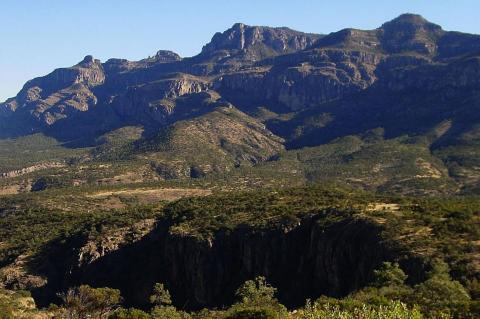
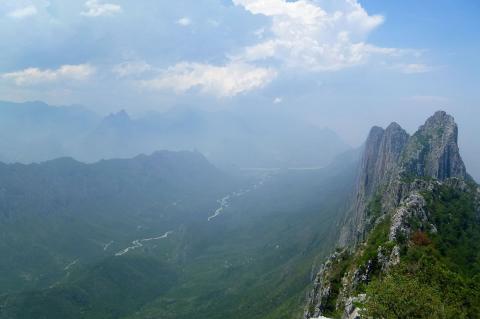
Cumbres de Monterrey National Park and Biosphere Reserve is a protected area in northeastern Mexico. It safeguards the native flora and fauna from the urbanization of Monterrey city. This park is a UNESCO Biosphere Reserve known for its unique biodiversity. It has diverse ecosystems, including mountain peaks, canyons, waterfalls, and temperate forests. The park is part of the more extensive American Cordillera mountain range.

The Majestic Landscapes of Queulat National Park

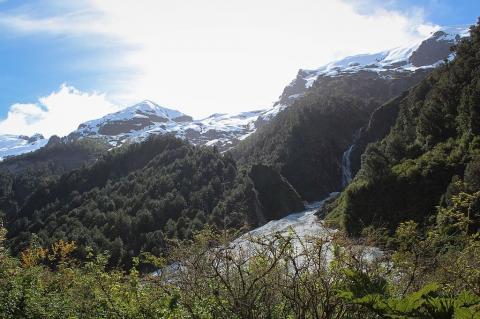
Queulat National Park, located in the Aysén Region of southern Chile, is a sanctuary of glacier-capped mountains, untouched evergreen Andean Patagonian forests, and diverse ecosystems. Established in 1983, the park is renowned for its stunning landscapes and rich biodiversity. The park's centerpiece, the Queulat Hanging Glacier (Ventisquero Colgante), epitomizes its natural beauty with awe-inspiring views.

The Majestic Quebrada del Condorito: Argentina's High-Altitude Haven

Nestled in the heart of Argentina, Quebrada del Condorito National Park stands as a powerful testament to the nation's dedication to preserving its extraordinary biodiversity and breathtaking landscapes. It is renowned for its dramatic vistas, which include deep gorges, towering cliffs, and rugged terrain, creating a stunning natural amphitheater. The park's diverse ecosystems range from montane forests to high-altitude grasslands, each supporting a unique assemblage of flora and fauna.