Protected Area

Parima Tapirapecó: Preserving the Amazon’s Natural and Cultural Heritage

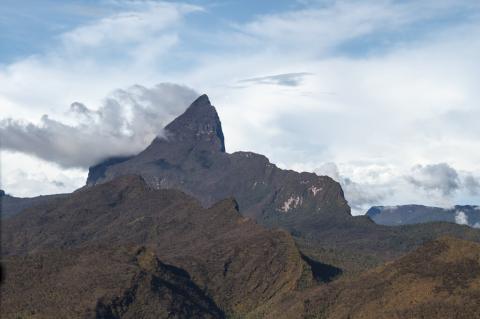
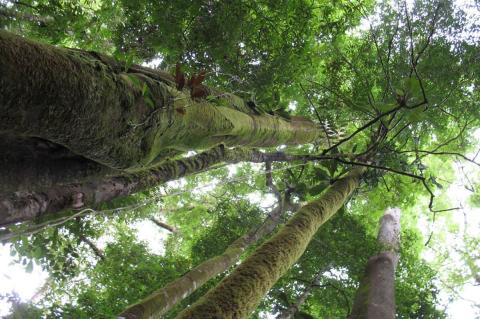
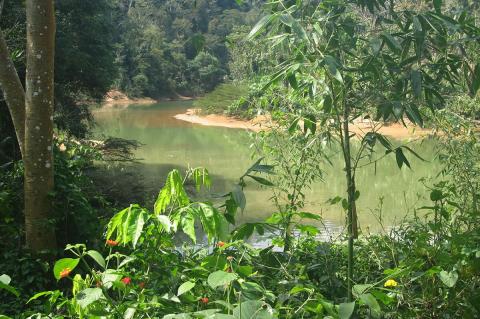
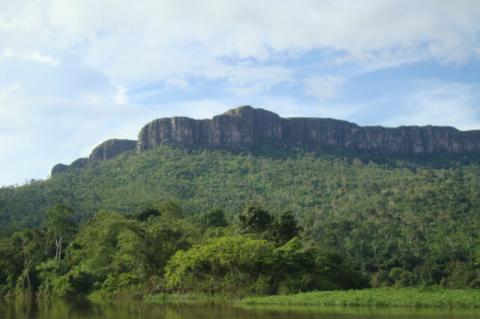
Located in the southeastern corner of Venezuela, Parima Tapirapecó National Park stands as one of the world's largest and most ecologically significant protected areas. This vast wilderness forms a critical part of the Guainan Highlands moist forests ecoregion, renowned for its rich biodiversity. Beyond its natural splendor, the park is also a vital cultural landscape. It is home to the Indigenous Yanomami people, whose deep connection to the land reflects a centuries-old relationship with nature.
Patagonia Azul: Argentina's Coastal Treasure Trove

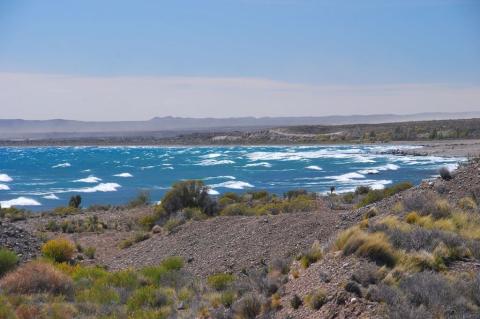
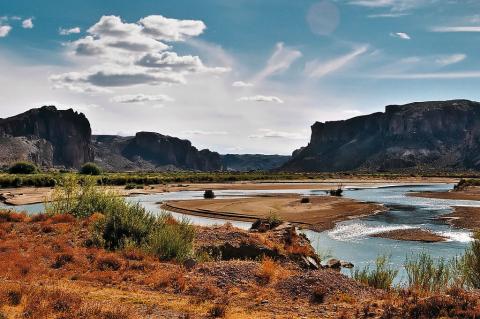
Nestled along the rugged coastline of Chubut Province in Argentine Patagonia, the Patagonia Azul Biosphere Reserve stands as a testament to this region's incredible beauty and biodiversity. Recognized by UNESCO, this vast protected area covers an impressive area, making it Argentina's largest biosphere reserve and one of the most significant marine-terrestrial conservation areas in South America. With its pristine landscapes, unique geological formations, and rich flora and fauna, the Patagonia Azul Biosphere Reserve is a true natural wonder.

Patagonia National Park: The Heart of Chilean Wilderness

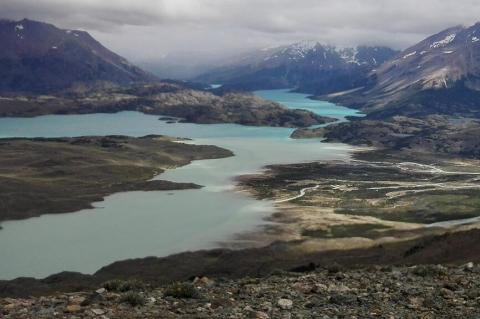
Patagonia National Park, located in the Aysén Region of southern Chile, is a vast and diverse protected area that showcases Patagonia's unique natural beauty and ecological significance. The park, encompassing a range of ecosystems from arid steppe grasslands to dense southern beech forests, serves as a crucial habitat for various flora and fauna. With its origins tied to significant conservation efforts, the park is a testament to its dedication to preserving Chile's natural heritage.

Pereyra Iraola Provincial Park and Biosphere Reserve: A Natural Oasis in Buenos Aires

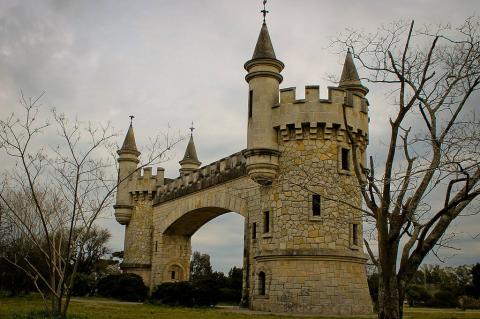
Nestled between the municipalities of La Plata and Berazategui, along the banks of the majestic Río de la Plata, lies the Pereyra Iraola Provincial Park and Biosphere Reserve. This urban oasis is the largest provincial park in Argentina's Buenos Aires Province and a rich center of biodiversity, offering a sanctuary for nature enthusiasts and city dwellers alike.

Perito Moreno National Park: A Patagonian Paradise

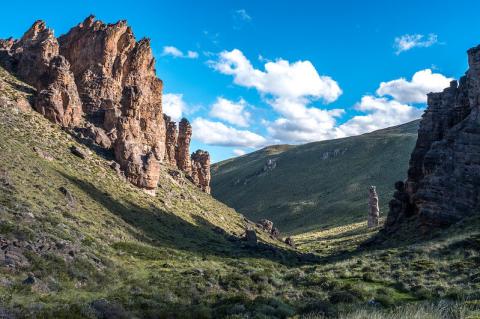
Situated in the heart of Patagonia, the southern region of Argentina, lies Perito Moreno National Park, a pristine wilderness area that showcases the beauty and grandeur of this remote corner of the world. Established in 1937, this national park is one of the oldest in Argentina. It is named after the renowned explorer Francisco "Perito" Moreno, who was crucial in establishing Argentina's park system. This protected area immerses visitors in Patagonia's rugged landscapes and diverse ecosystems.

Pic Macaya National Park: Haiti's Biodiversity Haven

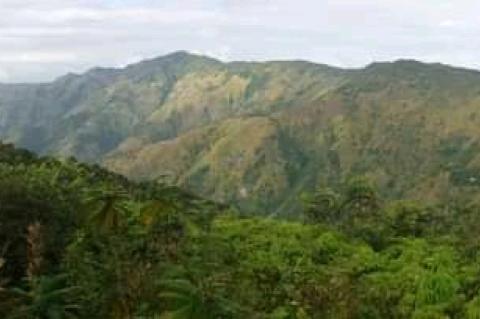
Pic Macaya National Park, one of Haiti's largest protected areas, is situated within the Massif de la Hotte mountain range in the Sud Department. It is renowned for its diverse landscapes, ranging from subtropical lowland forests to montane cloud forests at higher elevations. As part of the larger Massif de la Hotte Key Biodiversity Area, Pic Macaya National Park is crucial for its high levels of endemism and its significant role in conservation efforts within Haiti.

Pico da Neblina: Brazil's Pinnacle of Wilderness and Cultural Heritage

Pico da Neblina National Park, located in the far north of Brazil, is a remote and ecologically significant area encompassing Brazil's highest peak, Pico da Neblina. This vast park, bordering Venezuela, is part of the larger Amazon Rainforest biome and remains one of Brazil's most pristine and biodiverse regions. With limited human access and deep cultural ties to Indigenous peoples, the park represents an important symbol of conservation, environmental diversity, and natural beauty.

Piedras Blancas National Park: A Tropical Haven in Southern Costa Rica

Piedras Blancas National Park is a lush expanse of evergreen primary forest in the Puntarenas Province of southern Costa Rica. It is a vital sanctuary for indigenous plants and wildlife. Situated on the southern Pacific Coast near the town of La Gamba, Piedras Blancas National Park plays a crucial role in conserving Costa Rica's rich biodiversity. This park, part of a more significant ecological corridor, is integral to the environmental health of the Golfo Dulce region.

Pilón-Lajas Biosphere Reserve and Communal Lands (Bolivia)

The Pilón Lajas Biosphere Reserve, located in Bolivia on the eastern spur of the Andes, is a remarkable convergence of biodiversity and cultural heritage. Spanning the departments of La Paz and Beni, this reserve encompasses various ecosystems, including humid tropical forests, subtropical forests, and Amazonian plains. Home to many plant and animal species, the reserve protects the cultural heritage of the Tsimane', Mosetene, and Tacana Indigenous communities.

Poás Volcano National Park: A Landscape Shaped by Fire and Ice

Rising dramatically from Costa Rica's central highlands, Poás Volcano is one of the country's most active and captivating volcanoes. Located within Poás Volcano National Park in Alajuela Province, this stratovolcano has a long history of eruptions, with over 40 recorded since 1828. Its volatile nature, exemplified by significant eruptions in 2017 and 2019, fascinates scientists and tourists. Poás Volcano's enormous crater, acidic lake, and surrounding cloud forests make it an essential site for geological and ecological study.