Protected Area

Nevado de Toluca National Park: Mexico's High-Altitude Volcanic Wonderland

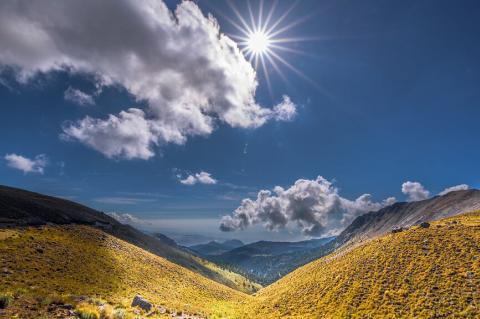
Nevado de Toluca National Park protects Mexico's fourth-highest mountain, a dramatic stratovolcano with twin crater lakes nestled within its ancient caldera. This sanctuary encompasses remarkable biodiversity across distinct elevation zones, from temperate forests of sacred fir and pine to high-altitude alpine grasslands supporting endemic species. Known to the Aztecs as "Xinantécatl", the mountain holds profound cultural significance as a sacred site where ancient peoples made ceremonial offerings. Today, the park attracts hikers, mountaineers, and researchers, though it faces growing threats that challenge the preservation of this extraordinary volcanic landscape.
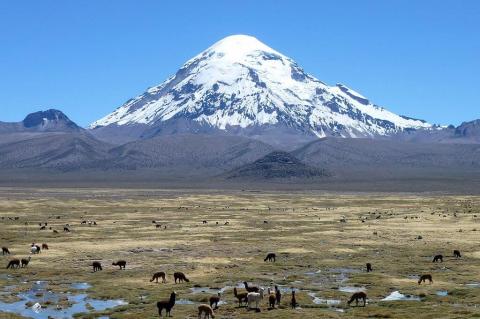
Nevado Sajama: Bolivia's Crown Jewel of the Andes

Nestled in Bolivia's remote highlands, Nevado Sajama is the country's tallest peak. This dormant stratovolcano, part of the Cordillera Occidental volcanic chain, is a natural marvel that marks Bolivia's western border. Beyond its impressive stature, Nevado Sajama serves as the centerpiece of Sajama National Park. This region harmoniously blends breathtaking Andean landscapes, unique high-altitude ecosystems, and the enduring cultural heritage of the Aymara people.

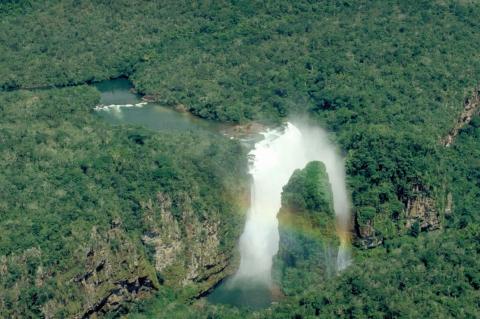
Noel Kempff Mercado National Park: Bolivia's Natural Treasure

Noel Kempff Mercado National Park, located in the Santa Cruz Department of northeastern Bolivia, is one of the most pristine and expansive protected areas in the Amazon Basin. It is a unique ecological treasure at the confluence of the Amazon rainforest and the Chiquitano dry forests. This remarkable park, recognized as a UNESCO World Heritage Site, offers a glimpse into an evolutionary history that spans over a billion years and boasts an astonishing diversity of flora and fauna.

Pali-Aike National Park: A Volcanic Wonderland in Chilean Patagonia

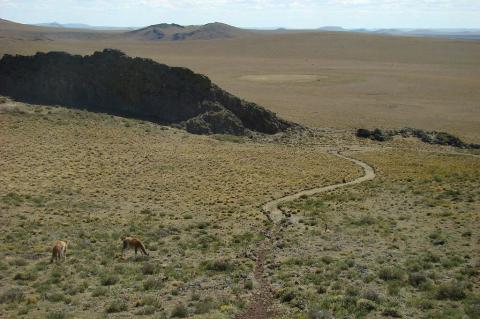
Located in the southern part of Chile, Pali-Aike National Park showcases the country's diverse geology and ancient history. This large park in the Magallanes Region is famous for its distinctive volcanic landscapes, ancient caves, and archaeological findings. From open plains to stunning crater lakes, the park's geological features, cultural importance, and conservation initiatives highlight Pali-Aike National Park as a remarkable part of Chile.

Palo Verde National Park: Costa Rica's Biodiversity Haven

Nestled in the heart of the Guanacaste Province, Palo Verde National Park is an integral part of SINAC's Tempisque Conservation Area. The park derives its name from the hardy palo verde shrub, an emblem of the resilience that characterizes this unique ecosystem. This national treasure is among the last bastions safeguarding the endangered tropical dry forests that once blanketed Central America.

Pan de Azúcar National Park: Chile's Coastal Desert Wilderness

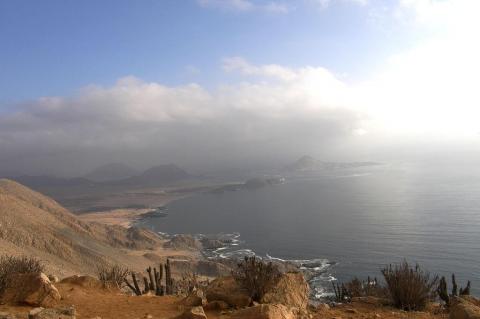
Pan de Azúcar National Park, located along Chile's northern coast, is a breathtaking expanse of coastal desert that offers a unique combination of marine, terrestrial, and desert ecosystems. As one of the most ecologically diverse areas along Chile's northern coast, the park serves as a critical refuge for a variety of species, including the Humboldt penguin, guanaco, and marine mammals. Its stunning geological features and role in preserving delicate ecosystems make it a key destination for nature enthusiasts and conservationists.

Pantanal Conservation Area: A Sanctuary for Brazil’s Wildlife and Wetlands

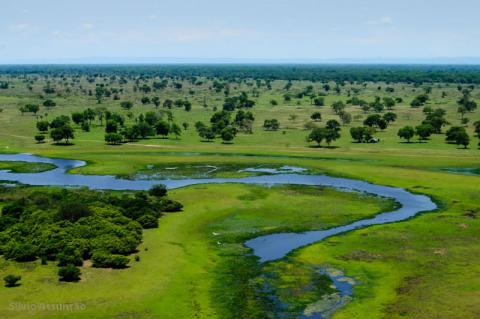
In the heart of centralwestern Brazil lies one of the most biodiverse and awe-inspiring ecosystems on Earth: the Pantanal Conservation Area. It forms part of the vast Pantanal, the world's largest tropical wetland, shared across Brazil, Bolivia, and Paraguay. Designated as a UNESCO site, the Pantanal Conservation Area comprises a protected region network, including the Pantanal Matogrossense National Park and the Special Reserves of Acurizal, Penha, and Doroché. This unique area hosts an astonishing range of wildlife and is critical in ecological processes that sustain life in the wetlands.

Pantanos de Centla Biosphere Reserve: Mexico's Exquisite Wetland Haven

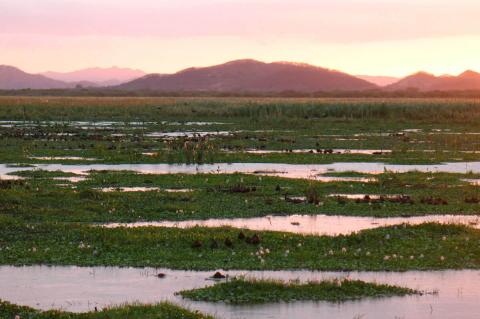
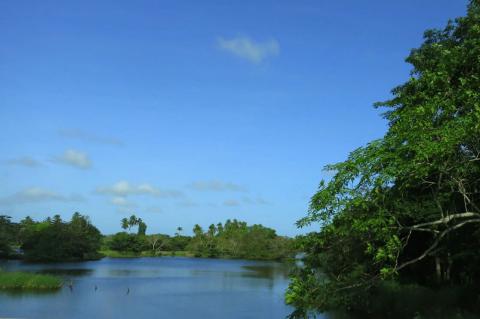
The Pantanos de Centla Biosphere Reserve, an ecological gem nestled in the heart of Tabasco, southern Mexico, is one of the most crucial wetlands in what was once Mesoamerica. This expansive reserve boasts one of the largest tropical moist forest ecoregions in the Americas. With its seasonally flooded forests, vast wetlands, and critical position at the confluence of the Grijalva and Usumacinta rivers, the reserve has rightfully earned its designation as a Ramsar Wetland of International Importance.

Paracas National Reserve: A Coastal Desert Haven in Peru

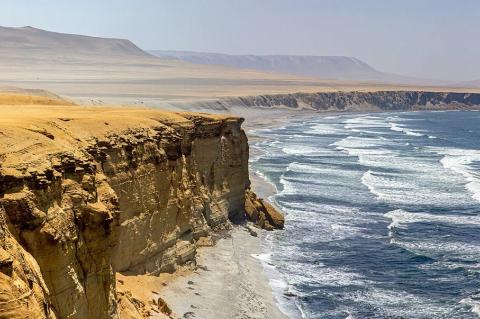
Paracas National Reserve is a unique protected area located in the Ica region of Peru, spanning coastal desert and marine ecosystems, making it a critical conservation area in South America. The reserve encompasses the Paracas Peninsula, Independence Bay, and surrounding desert regions, offering a rich mosaic of landscapes supporting diverse wildlife. In addition to its natural beauty, Paracas is steeped in archaeological history, with remnants of the ancient Paracas culture visible in the region. The combination of ecological significance and cultural heritage makes the Paracas National Reserve an exceptional destination.

Paraguaná and Médanos de Coro: Where Desert Meets the Caribbean

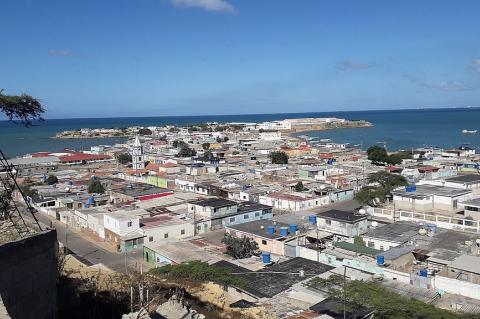
The Paraguaná Peninsula, nestled between the Caribbean Sea and the Gulf of Venezuela, is rich in natural beauty, history, and economic significance. Connected to the mainland by the sandy Médanos Isthmus, the peninsula is home to Médanos de Coro National Park, a unique desert landscape of wind-sculpted dunes and coastal plains. This juxtaposition of desert and sea, combined with the area's historical role as a hub for pirates and smugglers, creates a compelling destination for ecological study and exploration.