Protected Area

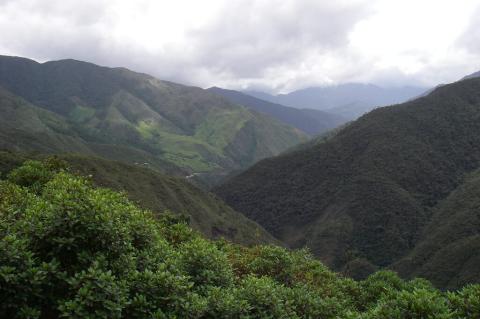
Podocarpus National Park: Ecuador's Biodiversity Haven

Podocarpus National Park is a remarkable natural sanctuary in the southeastern provinces of Zamora Chinchipe and Loja in Ecuador. This park, part of the Podocarpus-El Condor Biosphere Reserve, is renowned for its immense biodiversity and unique ecosystems. Positioned at the confluence of four ecological systems—the Northern Andes, Southern Andes, Amazonian, and Pacific regions—Podocarpus National Park is a treasure trove of endemic species and diverse habitats.

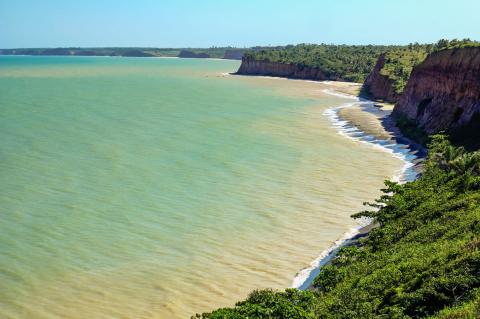
Preservation of Biodiversity: Brazil's Discovery Coast Atlantic Forest Reserves

The Discovery Coast Atlantic Forest Reserves in northeastern Brazil exhibit a stunning variety of ecosystems, showcasing the Atlantic Forest biome's evolutionary history and ecological processes. The landscape is characterized by coastal tablelands, sandy beaches, sea cliffs, lagoons, and coral reefs, creating a habitat for a diverse range of flora and fauna. The region boasts an exceptional botanical diversity and is particularly rich in tree species.

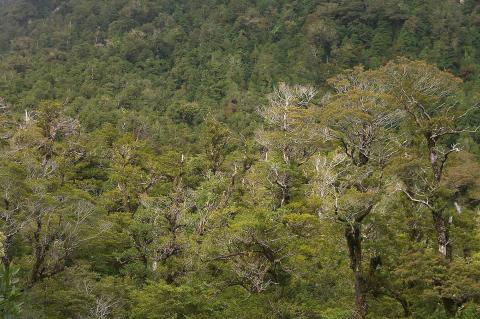
Preserving Chile's Natural Heritage: The Bosques Templados Lluviosos Biosphere Reserve

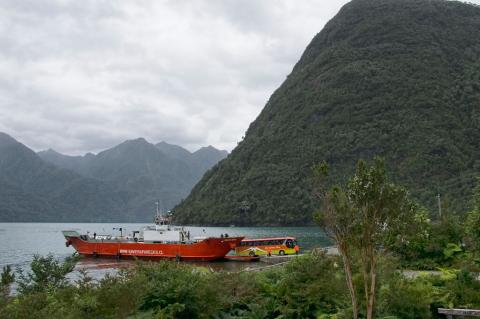
Nestled in the heart of Chile's Los Lagos and Los Ríos regions, the Bosques Templados Lluviosos de Los Andes Australes Biosphere Reserve is a testament to the intricate beauty and ecological importance of the Valdivian temperate rainforest. This expansive protected area includes some of the world's most unique and biologically rich ecosystems. The reserve, featuring volcanic terrains, verdant forests, and a variety of native species, plays a crucial role in conservation and sustainable development.

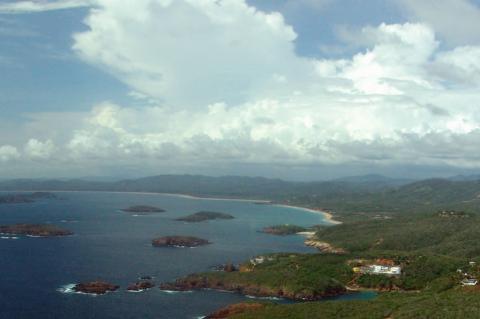
Preserving Mexico's Tropical Dry Forests: The Chamela-Cuixmala Biosphere Reserve

The Chamela-Cuixmala Biosphere Reserve is a rich mosaic of ecosystems located in the state of Jalisco, Mexico. Stretching along the Pacific coast, this reserve protects one of the most biologically diverse landscapes in the Americas. The reserve is named after the town of Chamela, an important historical port, and the Cuixmala River, which serves as a natural boundary. It is renowned for preserving dry and deciduous tropical forests, some of the world's most endangered and ecologically important ecosystems.

Protecting Paradise: The Islands and Protected Areas of the Gulf of California

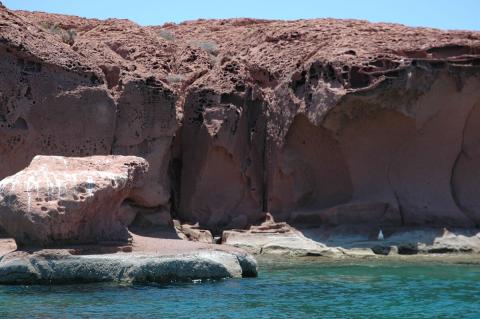
The Islands and Protected Areas of the Gulf of California, inscribed as a UNESCO World Heritage Site, includes 244 islands, islets, and coastal areas in northeastern Mexico. Known as "the world's aquarium," this natural paradise faces major threats leading to its listing as a World Heritage site in danger, especially due to the critically endangered vaquita. The site highlights extraordinary biodiversity and the urgent need for global conservation efforts, symbolizing natural wonder and the challenges of preserving marine ecosystems today.

Pumalín Douglas Tompkins National Park: A Legacy of Conservation

Pumalín Douglas Tompkins National Park in Chile's Los Lagos Region is a testament to the country's rich natural heritage and conservation efforts. Spanning northern Patagonia, it features breathtaking landscapes, including volcanoes, forests, waterfalls, and coastlines. Named after American conservationist Douglas Tompkins, the park is a sanctuary for diverse flora and fauna, including ancient Alerce trees.

Puyehue National Park: Chile's Natural Masterpiece

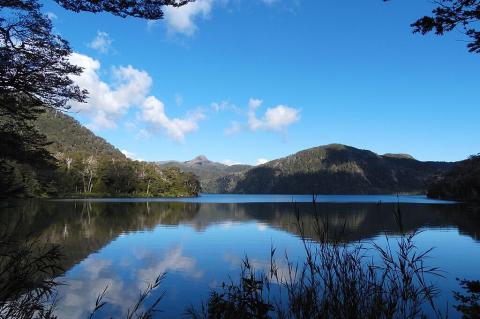
Nestled in the heart of southern Chile's Los Ríos and Los Lagos regions, Puyehue National Park is a testament to the country's natural wonders. This vast protected area boasts diverse landscapes, from steaming thermal springs and towering volcanoes to lush evergreen forests stretching endlessly. This comprehensive exploration delves into the essence of Puyehue National Park, unveiling its geological marvels and rich biodiversity

Quebrada de los Cuervos National Park: Uruguay’s Hidden Natural Sanctuary

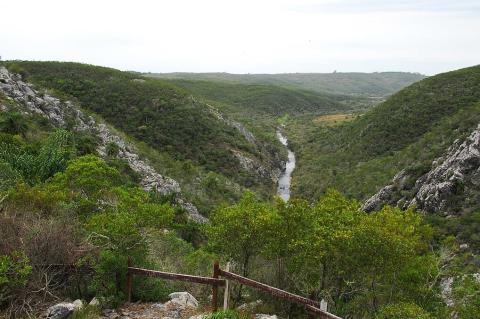
Nestled in the picturesque countryside of eastern Uruguay, Quebrada de los Cuervos National Park is a hidden natural sanctuary that offers an unparalleled experience of biodiversity and scenic beauty. Located northeast of the capital city, Montevideo, this national park has become a vital hub for ecological preservation and a destination for nature lovers. The park provides a diverse range of ecosystems and breathtaking landscapes that capture the essence of Uruguay's natural heritage.

Riacho Teuquito Biosphere Reserve: The Chaco's Sanctuary

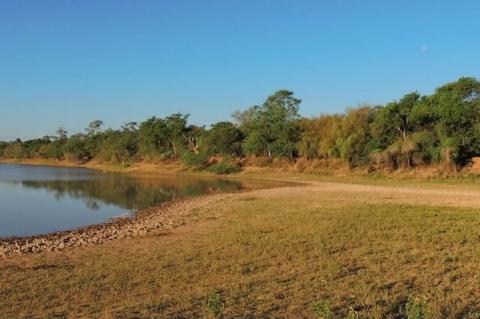
The Riacho Teuquito Biosphere Reserve, nestled in the Province of Formosa in northeastern Argentina, is a vital conservation area within the Chaco region. This reserve is dedicated to preserving the semi-arid Chaco's unique woody ecosystems, which have faced significant deforestation and environmental pressures. The reserve's strategic zoning allows for effective conservation, sustainable development, and promoting harmonious human-nature interactions.

Río Abiseo National Park: A Peruvian Wonder of Nature and Culture

Nestled in the San Martín department of Peru, on the eastern slope of the tropical Peruvian Andes, lies Río Abiseo National Park, a World Heritage Site that seamlessly blends natural and cultural wonders. This unique protected area not only harbors a rich tapestry of biodiversity but also serves as a testament to the ancient civilizations that once thrived within its boundaries.