Bodies of Water of Brazil

Caquetá-Japurá River: A Vital Amazonian Watercourse

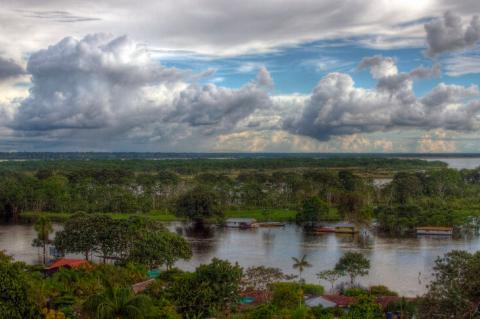
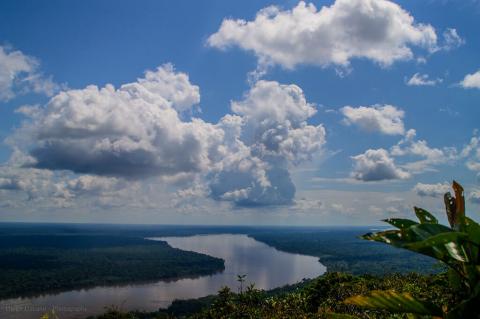
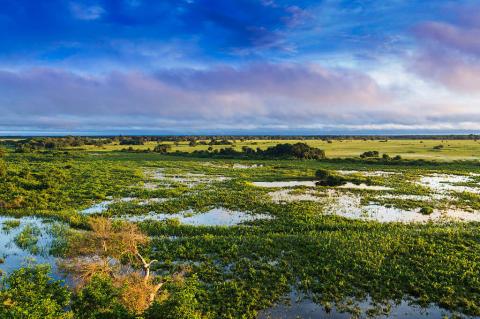
The Caquetá-Japurá River, known as the Caquetá in Colombia and the Japurá in Brazil, is one of the significant tributaries of the Amazon River. The river flows through Colombia and Brazil, playing a crucial role in the hydrology and ecology of the Amazon Basin. Its extensive basin covers a vast area in both countries and is characterized by diverse ecosystems, including some of the most extensive wetlands in the Amazon.

Guanabara Bay: A Deep Dive into Brazil's Iconic Coastal Treasure

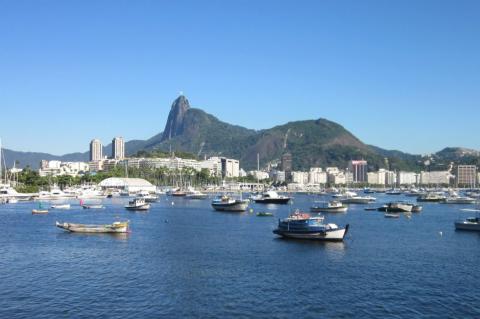
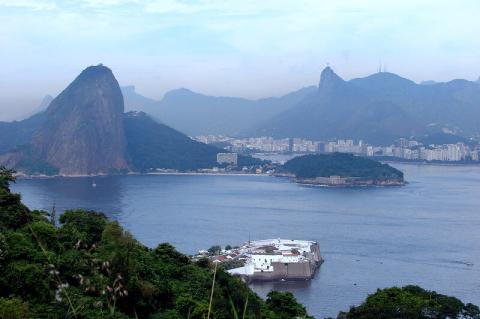
Guanabara Bay in Southeast Brazil is a historically significant coastal landmark. Situated in Rio de Janeiro, it's known for its natural beauty, strategic importance, and bustling life along its shores. Despite being overshadowed by Rio de Janeiro, the bay holds a rich history and ecological significance that warrant closer examination. This overview explores its geographical features, historical context, ecological challenges, and role in Brazil's cultural and economic landscape.

Itaipú Dam and Reservoir: Binational Hydropower on the Paraná River

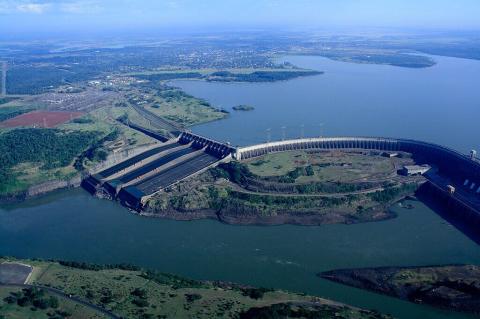
Itaipú is a binational hydroelectric dam on the Paraná River, where Brazil and Paraguay share a 14,000 MW plant fed by a 1,350 km² reservoir. Its first unit began running in 1984, and it now supplies roughly 90 percent of Paraguay's power and 10 percent of Brazil's. The 1973 treaty is under renegotiation as a fixed tariff expires at the end of 2026. The reservoir flooded Guaíra Falls and Guaraní lands, while forests along its shores now form part of a UNESCO biosphere reserve.

Juruá River: A Meandering Giant of the Amazon

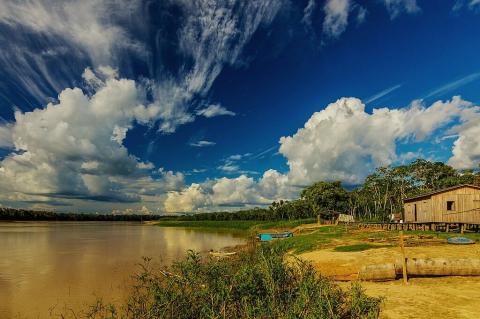
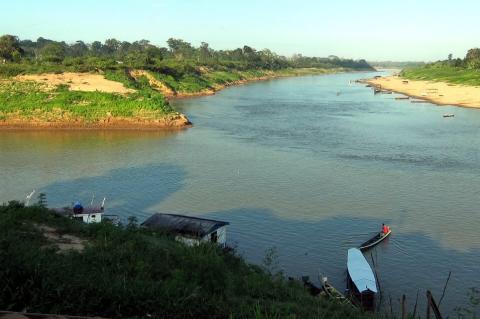
The Juruá River, one of the longest and most winding tributaries of the Amazon River, is a crucial component of the Amazon Basin's intricate hydrological network. Originating in the highlands of Peru and snaking its way through the lowlands of Brazil, the Juruá River plays a vital role in shaping the region's ecology, supporting diverse ecosystems, and influencing the lives of those who inhabit its banks.

Lagoa dos Patos: South America's Largest Lagoon

Lagoa dos Patos, located in southern Brazil, is the largest lagoon in South America and a remarkable example of nature's diversity and grandeur. This lagoon is a dynamic ecosystem shaped by the interplay of freshwater rivers, brackish wetlands, and the nearby Atlantic Ocean. With its immense ecological, economic, and cultural importance, Lagoa dos Patos is more than just a body of water—it is a vital artery supporting the region's biodiversity and livelihoods.

Paranaíba River: Lifeblood of Brazil's Cerrado

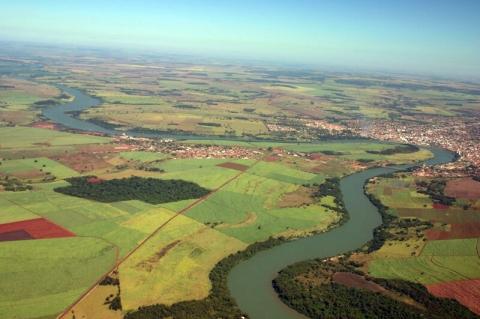
The Paranaíba River is a vital waterway in Brazil, coursing through the expansive Cerrado biome and forming the upper reach of the Paraná River Basin. Known for its ecological diversity, economic importance, and role in shaping regional culture, the Paranaíba River symbolizes Brazil's dynamic interplay between nature and development. From its headwaters in Minas Gerais to its confluence with the Grande River, the Paranaíba is vital to Brazil's environment and economy.

Purus River: Lifeblood of the Southwestern Amazon

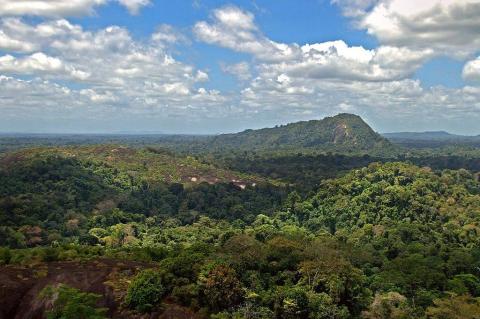
The Purus River is one of the Amazon Basin's significant tributaries, winding its way through the heart of the Amazon Rainforest. Originating in the Ucayali Basin in Peru, the river traverses a vast expanse of wilderness before merging with the Amazon River in Brazil. The Purus River's extensive basin is a vital hydrological and ecological feature of the Amazon, supporting diverse flora, fauna, and human communities.

The Amazon River System: Nature's Mightiest Waterway

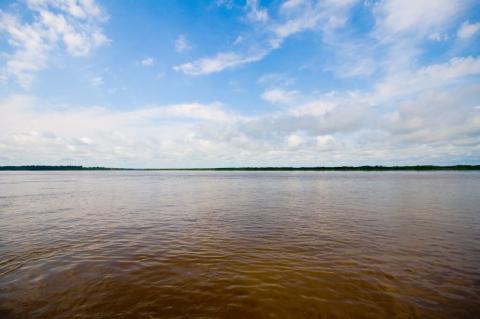
The Amazon River stands as Earth's most powerful single waterway, channeling the flow of over 1,100 tributaries across 6.3 million sq km into a current that delivers 209,000 cubic meters of water per second to the Atlantic Ocean. This colossal flow represents 15-20% of all freshwater entering the world's oceans, making the Amazon not just South America's arterial system but a critical component of global ocean circulation and climate regulation.

The Beni and Mamoré Rivers: Twin Headstreams of the Madeira

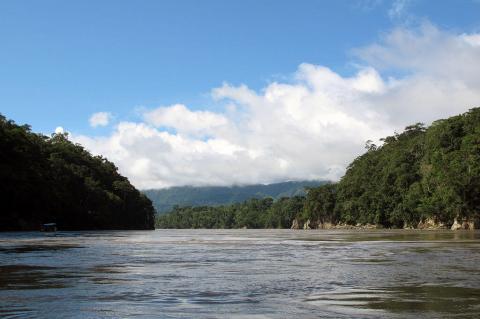
The Beni and Mamoré are the two great Bolivian rivers that meet at Villa Bella to form the Madeira, the Amazon's southern giant. The Beni descends from the Andes through Madidi and Pilón Lajas, while the Mamoré crosses the Llanos de Moxos, a Ramsar wetland of 6.9 million hectares (17 million acres). Floods, proposed dams, and mercury from gold mining now shape life along both rivers.

The Guaraní Aquifer System: South America's Hidden Ocean and the Future of Freshwater Security

Deep beneath four South American nations lies the Guaraní Aquifer System (GAS), one of Earth's most remarkable geological treasures. Spanning 1.2 million square kilometers of Argentina, Brazil, Paraguay, and Uruguay, it creates an underground hydrological empire rivaling the Mediterranean Sea. Named after the Indigenous Guaraní people, this aquifer system represents far more than a simple water source—it embodies the interconnected destiny of four nations and serves as a critical bulwark against regional water insecurity in an era of climate uncertainty.